
Customer Success Career Path: From CSM to Chief Customer Officer
Table of Contents
Introduction
When Priya landed her first Customer Success Manager role at a Bangalore startup in 2020, she asked her manager a simple question: “Where can this career take me in 5-10 years?”
Her manager, who’d been in CS for only 3 years himself, honestly replied: “I don’t really know. Customer Success is still so new that career paths aren’t clearly defined yet.”
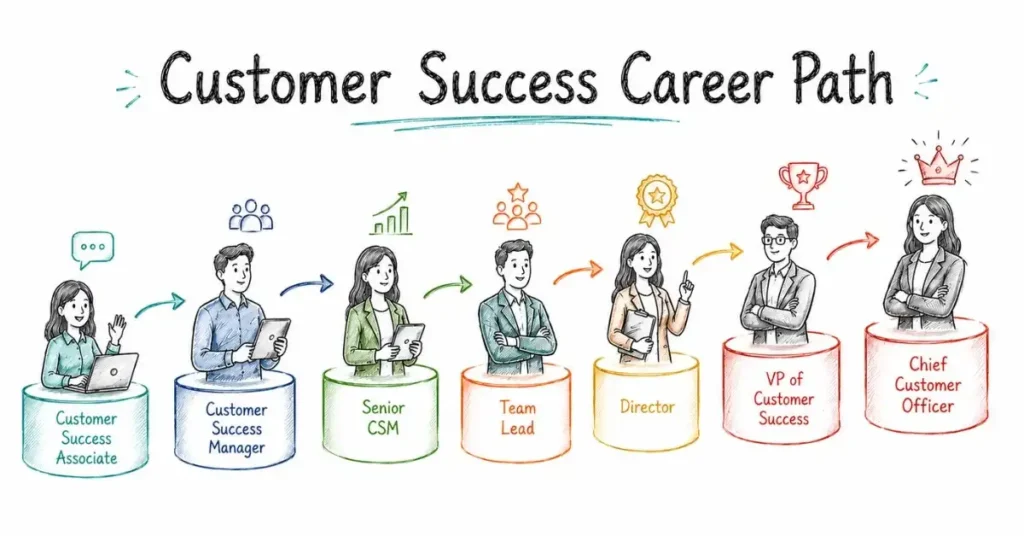
Fast forward to 2026. Priya is now a Senior Customer Success Manager earning ₹26 lakhs annually, managing enterprise accounts worth crores in ARR. She has a clear roadmap: Team Lead within 18 months, Director within 4 years, VP within 8-10 years. The path that seemed unclear in 2020 is now well-defined.
Customer Success has matured as a profession in India. Unlike 2018-2020 when CS career paths were ambiguous, we now have established progressions, clear salary bands at each level, defined skill requirements, and proven strategies for advancement.
This guide maps the complete Customer Success career journey from your first CSM role to C-suite leadership. I’ll cover typical timelines, skills needed at each level, salary progressions, strategic career moves, and how to accelerate your advancement. Whether you’re just starting or planning your next move, this roadmap clarifies where you can go and how to get there.
Understanding Career Progression Models in CS
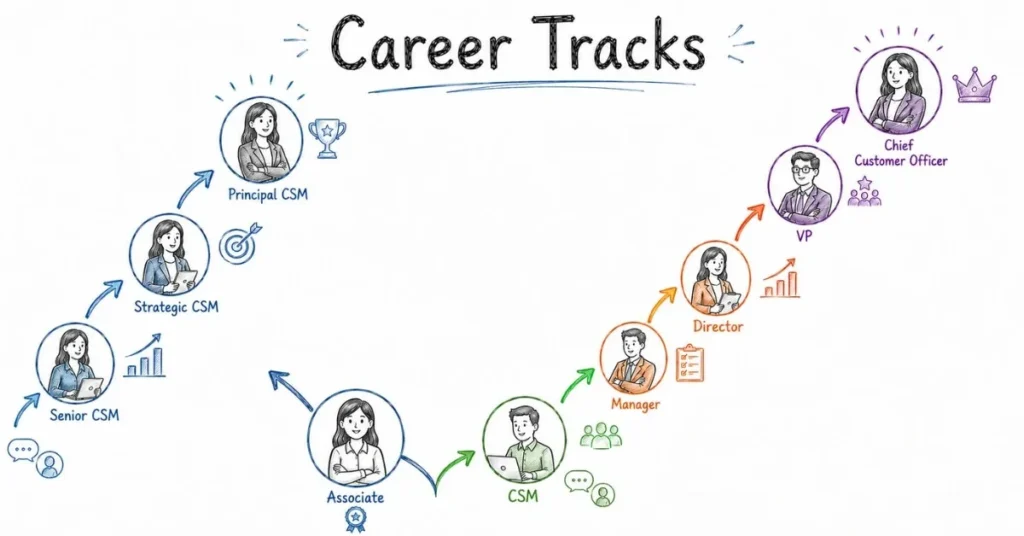
Customer Success offers two primary career paths:
Individual Contributor (IC) Track:
Associate → CSM → Senior CSM → Strategic/Enterprise CSM → Principal CSM
Focus: Deep customer expertise, managing increasingly complex/valuable accounts
Ceiling: ₹30-40 lakhs at top IC level
Best For: People who love direct customer work, prefer autonomy over people management
Management Track:
Associate → CSM → Senior CSM/Team Lead → Manager → Director → VP → Chief Customer Officer
Focus: Team leadership, strategy, organizational building
Ceiling: ₹50 lakhs – ₹1.5 crores+ at executive levels
Best For: People who enjoy coaching others, strategic thinking, organizational influence
The Good News: You don’t have to choose immediately. Most people spend 3-5 years as individual contributors before deciding. You can also switch between tracks mid-career.
Alternative Specialization Paths:
- CS Operations: Process, data, tools expertise
- Customer Education: Training and enablement focus
- Technical CS: Serving technical audiences
- Customer Marketing: Advocacy and community building
Each has its own progression.
Level 1: Customer Success Associate / Junior CSM (Years 0-2)
Typical Entry Point: This is where most CS careers begin.
Responsibilities:
- Managing 30-50 small accounts with limited complexity
- Responding to customer inquiries
- Conducting basic onboarding and training
- Updating CRM and CS platforms
- Assisting senior CSMs with larger accounts
- Creating documentation and help resources
- Attending customer calls (often shadowing initially)
Salary Range: ₹3.5-7 lakhs (varies by company and location)
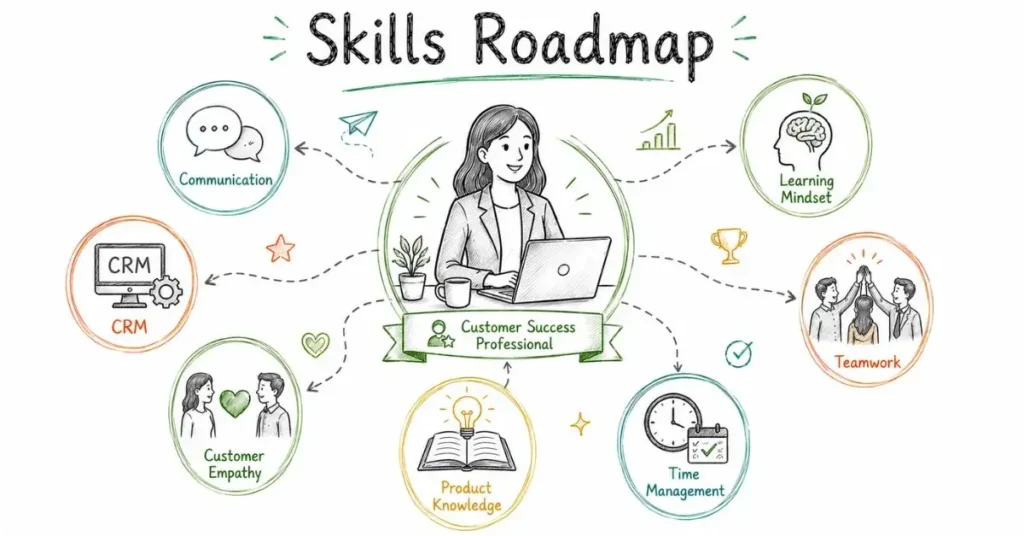
Key Skills to Develop:
- Product Knowledge: Become expert in your company’s product (use it yourself)
- Communication: Written and verbal clarity
- CRM Proficiency: Master your company’s systems
- Customer Empathy: Learn to truly understand customer perspectives
- Time Management: Handle multiple tasks without dropping balls
Success Metrics:
- Customer satisfaction scores (CSAT)
- Response time
- Onboarding completion rates
- Task completion quality
- Learning speed
Career Strategy at This Level:
Year 1:
- Learn voraciously: Absorb everything about product, industry, customers
- Exceed basic expectations: Don’t just complete tasks add value
- Build relationships: With team members, other departments, and customers
- Document everything: Create your own knowledge base
- Ask for stretch assignments: Volunteer for projects beyond your role
Year 2:
- Demonstrate initiative: Identify problems and propose solutions
- Share knowledge: Help train newer team members
- Take ownership: Manage small accounts end-to-end
- Show strategic thinking: Don’t just execute think about why
- Build your case: Document achievements preparing for promotion
Promotion Trigger:
Typically promoted to full CSM after 12-24 months if you’ve demonstrated competence, reliability, and strategic thinking.
Timeline to Next Level: 1-2 years
Level 2: Customer Success Manager (Years 2-5)
Responsibilities:
- Managing 15-30 mid-market accounts independently
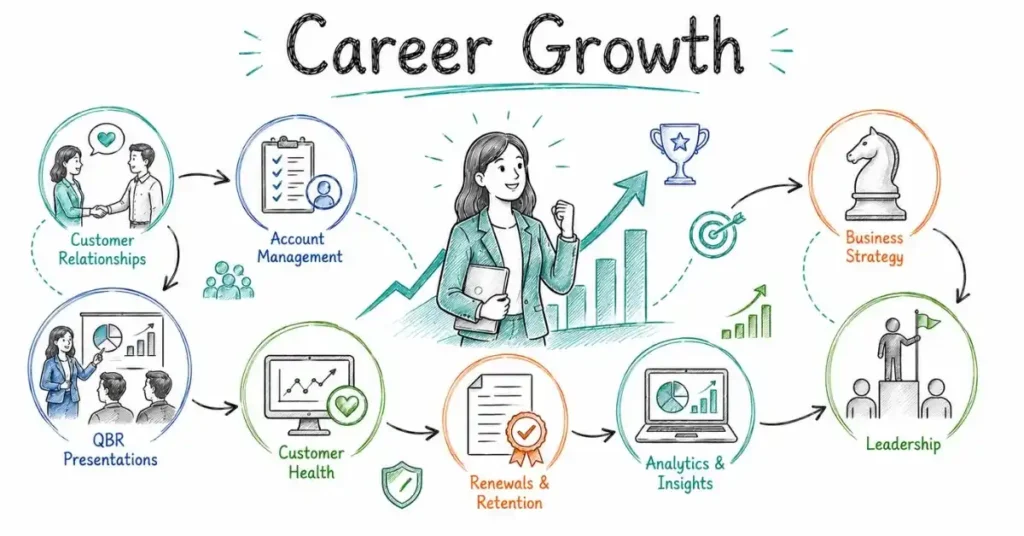
- Conducting Quarterly Business Reviews (QBRs)
- Driving renewals and identifying expansion opportunities
- Collaborating with Sales, Product, and Support
- Creating success plans for accounts
- Presenting to customer stakeholders
- Handling moderate escalations
- Contributing to team processes
Salary Range: ₹8-16 lakhs (significant jump from Associate level)
Key Skills to Develop:
- Strategic Account Planning: Thinking 6-12 months ahead for each account
- Business Acumen: Understanding customer business models and challenges
- Presentation Skills: Delivering compelling QBRs and EBRs
- Data Analysis: Using customer data to drive decisions
- Negotiation: Handling renewal discussions and pricing objections
- Cross-Functional Collaboration: Influencing without authority
Success Metrics:
- Retention rate (goal: 90-95%+)
- Net Revenue Retention (NRR)
- Expansion/upsell revenue
- Customer health scores
- NPS/CSAT scores
- Time-to-value for new customers
Career Strategy at This Level:
Years 2-3:
- Master the fundamentals: Consistently hit your retention and satisfaction targets
- Develop specialization: Become known for something (technical expertise, specific industry, enterprise accounts)
- Build external network: Join CS communities, attend conferences
- Share insights: Write internal case studies, contribute to team knowledge
- Seek feedback actively: From managers, customers, peers
Years 4-5:
- Mentor newer CSMs: Help others succeed
- Lead initiatives: Process improvements, tool implementations
- Increase account complexity: Move from SMB to mid-market to enterprise accounts
- Demonstrate leadership: Even without formal title
- Build track record: Consistently exceed targets for 6-12 months
Promotion Triggers:
- For Senior CSM: Consistently exceeding metrics + handling complexity
- For Team Lead: Above + demonstrated mentorship and leadership capability
Critical Juncture: After 3-4 years as CSM, you’ll face a choice:
Option A: Pursue management track (Team Lead/Manager)
Option B: Pursue IC excellence (Senior/Strategic CSM)
Option C: Specialize (CS Ops, Technical CS, Education)
Option D: Switch companies for faster progression
Timeline to Next Level: 2-4 years
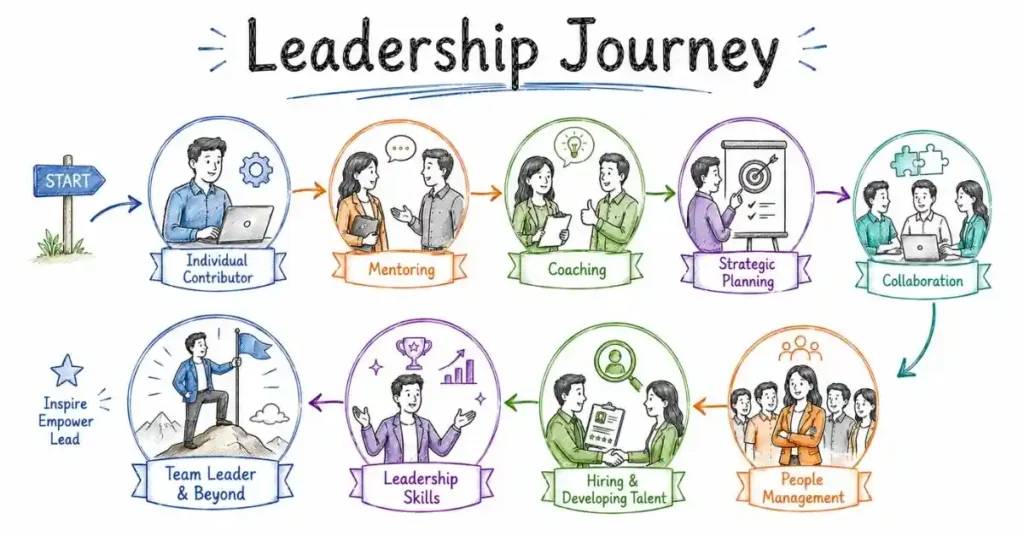
Level 3A: Senior CSM / Strategic CSM (IC Track - Years 5-8)
Responsibilities:
- Managing 5-10 enterprise accounts worth ₹20+ lakhs each annually
- Building C-level relationships within customer organizations
- Creating strategic multi-year account plans
- Leading complex implementations and migrations
- Serving as escalation point for team
- Contributing to CS strategy and thought leadership
- Mentoring junior CSMs informally
Salary Range: ₹18-32 lakhs
Key Skills to Develop:
- Executive Presence: Communicating confidently with C-suite
- Strategic Thinking: Aligning customer success with business outcomes
- Advanced Negotiation: Handling complex contract discussions
- Stakeholder Management: Navigating large organizational politics
- Thought Leadership: Building external reputation
Career Strategy:
- Become indispensable: Your enterprise accounts are critical company revenue
- Build external brand: Speak at conferences, write articles, build LinkedIn presence
- Develop niche expertise: Specific industries, technical domains, or methodologies
- Consider consulting/advising: Side opportunities that build credibility
Ceiling: Principal/Distinguished CSM roles at large companies (₹35-40 lakhs)
Consideration: IC track ceiling is lower than management track. If earnings beyond ₹40 lakhs matter, eventual move to management is necessary.
Timeline at This Level: 3-5 years before hitting ceiling or moving to management
Level 3B: Team Lead / CS Manager (Management Track - Years 5-8)
Responsibilities:
- Managing 3-6 Customer Success Managers
- Conducting one-on-ones and performance reviews
- Hiring and onboarding team members
- Creating CS playbooks and processes
- Handling complex escalations
- Contributing to departmental strategy
- Managing some accounts personally (often)
- Reporting to Director or VP
Salary Range: ₹18-30 lakhs
Key Skills to Develop:
- People Management: Coaching, feedback, performance management, difficult conversations
- Process Design: Creating scalable, repeatable workflows
- Strategic Thinking: Contributing to department strategy
- Hiring: Identifying and recruiting CS talent
- Conflict Resolution: Handling team and customer issues
- Business Operations: Understanding budgets, resource allocation
Success Metrics:
- Team retention rate
- Team performance against targets
- Employee satisfaction/retention
- Process efficiency improvements
- Scalability (managing more revenue with same resources)
Career Strategy:
- Develop your team: Your success depends on their success
- Build processes: Document everything so it’s repeatable
- Show business impact: Tie your work to revenue and company goals
- Expand scope: Take on additional responsibilities beyond core team
- Learn from leadership: Study your Director/VP’s approach
Critical Skills Gap: Most new managers struggle with transition from individual contribution to management. Invest in management training early.
Promotion Trigger:
- Successfully managing team for 2+ years
- Demonstrated ability to scale (team/revenue growth)
- Strategic thinking beyond day-to-day operations
Timeline to Next Level: 2-4 years
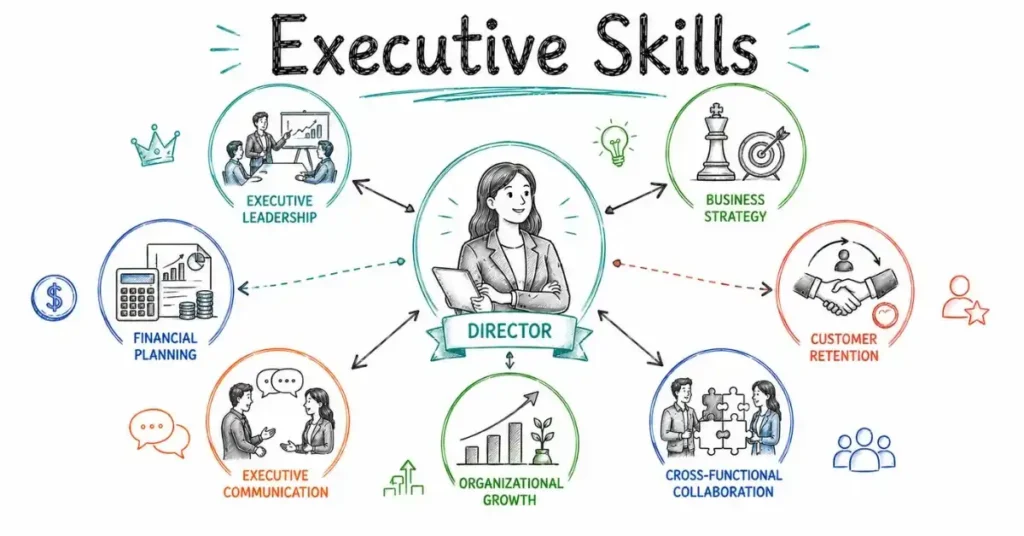
Level 4: Director of Customer Success (Years 8-12)
Responsibilities:
- Leading entire CS function (10-30 people) or major segment
- Setting CS strategy and goals
- Managing multiple team leads/managers
- Owning retention and expansion metrics (₹10-50+ crores)
- Collaborating with executive leadership (CEO, CRO, CPO)
- Building CS infrastructure (tools, processes, team structure)
- Budget ownership and resource planning
- Hiring and developing leadership team
Salary Range: ₹30-60 lakhs
Key Skills to Develop:
- Strategic Leadership: Setting vision and aligning organization
- Financial Acumen: P&L management, ROI thinking, resource optimization
- Executive Communication: Board-level presentation and influence
- Organizational Design: Building scalable structures
- Change Management: Leading transformation initiatives
- Cross-Functional Leadership: Partnering with Sales, Product, Marketing at senior level
Success Metrics:
- Overall retention and NRR
- CS team efficiency (revenue per CSM)
- Customer satisfaction at scale
- Team engagement and retention
- CS’s contribution to company valuation
Career Strategy:
- Build your leadership team: Hire and develop strong managers
- Create scalable systems: Processes that work at 10x current size
- Demonstrate ROI: Show how CS investments drive business outcomes
- Build external reputation: Industry speaking, thought leadership
- Develop board-level skills: Learn to present to boards and investors
Career Progression Options:
Option A: VP of Customer Success at current company (if growing)
Option B: VP role at smaller/earlier-stage company (more scope, faster)
Option C: CCO at mid-size company
Option D: Lateral moves: VP Operations, VP Product, General Manager roles
Timeline to Next Level: 3-5 years
Level 5: VP of Customer Success / Chief Customer Officer (Years 12+)
Responsibilities:
- Executive leadership of entire customer organization (50-200+ people)
- Owning customer revenue (potentially ₹100+ crores)
- Setting company-wide customer strategy
- Reporting to CEO, participating in executive team
- Representing customer voice in all strategic decisions
- Building and scaling CS organization
- Often overseeing Support, Professional Services, Customer Education
- Contributing to company strategy beyond just CS
Salary Range: ₹50 lakhs – ₹1.5 crores+
Compensation Components:
- Base: ₹45-80 lakhs
- Variable: 40-60% of base
- Equity: Significant grants or ownership percentage
- Executive benefits
Key Skills Required:
- Visionary Leadership: Setting multi-year strategic direction
- P&L Ownership: Managing significant budgets and investments
- Board-Level Communication: Presenting to boards, investors
- Talent Development: Building leadership pipeline
- Strategic Influence: Shaping overall company direction
- External Representation: Industry leadership, customer advisory boards
Success Metrics:
- Overall retention and NRR at scale
- CS organization efficiency and scalability
- Customer advocacy (NPS, references, case studies)
- Team culture and employee retention
- CS contribution to company valuation
- Integration with overall business strategy
Career Strategy:
- Build lasting infrastructure: Systems that outlive your tenure
- Develop succession plan: Build leaders who can replace you
- Industry leadership: Become recognized expert in CS
- Strategic optionality: Position yourself for CEO, COO, Board roles
- Consider exits: Consulting, advising, board seats, your own venture
Typical Career Moves from Here:
- CEO (especially at customer-centric companies)
- COO or President
- Board member / Advisor
- CS Consulting / Fractional executive
- Starting your own company
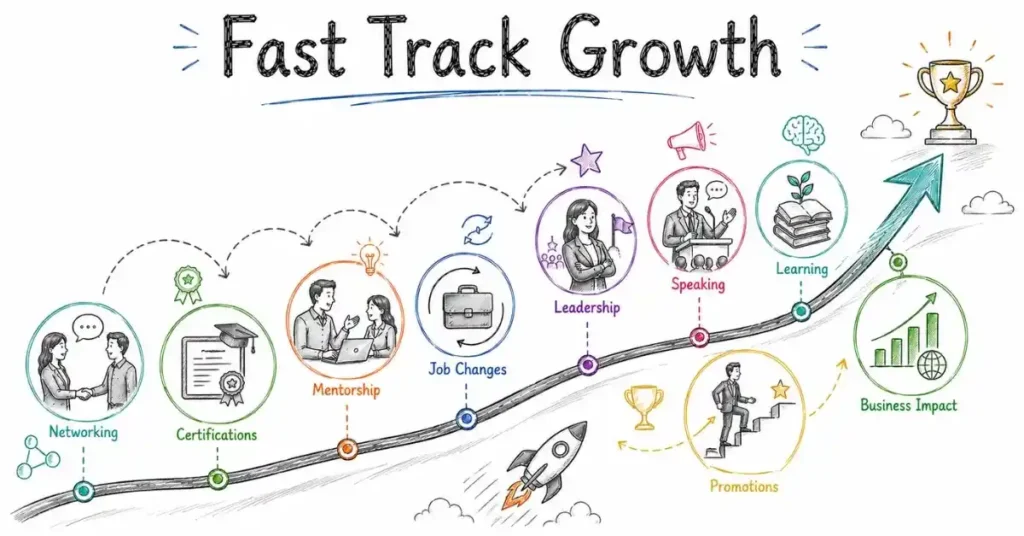
Accelerating Your Career Progression
Average Timeline:
Associate → CSM (2 years) → Senior CSM (2-3 years) → Manager (2-3 years) → Director (3-4 years) → VP (4-5 years) = 13-17 years total
Accelerated Timeline:
Associate → CSM (1.5 years) → Senior CSM/Manager (2 years) → Director (2-3 years) → VP (3-4 years) = 9-11 years total
How to Accelerate:
- Strategic Job Changes:
Staying at one company for 5+ years often slows progression. Strategic moves every 2-3 years can accelerate advancement and compensation.
Example:
- Year 0-2: CSM at Company A (learn fundamentals)
- Year 2-4: Senior CSM at Company B (faster-growing company, more responsibility)
- Year 4-7: CS Manager at Company C (management opportunity)
- Year 7-10: Director at Company D (larger scope)
Each move potentially brings 30-50% compensation increase and faster title progression.
- Join High-Growth Companies:
A CSM at a Series B startup growing 300% annually will progress faster than same role at stable enterprise company. - Take on Stretch Assignments:
Volunteer for projects beyond your scope:
- Leading cross-functional initiatives
- Implementing new tools/processes
- Mentoring team members
- Speaking at events
- Build External Brand:
- Write LinkedIn posts/articles about CS
- Speak at conferences and meetups
- Contribute to CS communities
- Build reputation beyond your company
This creates opportunities that come to you.
- Develop Skills Proactively:
Don’t wait for your role to require new skills. Learn them in advance:Management skills before managing people
- Strategic thinking before Director role
- Executive communication before VP level
- Find Great Mentors:
Learn from people 2-3 levels above you. They’ve navigated the path you’re planning. - Demonstrate Business Impact:
Always connect your work to revenue, retention, and company goals. Make it easy for leadership to see your value. - Be Willing to Relocate/Remote:
Limiting yourself to one city limits opportunities. Remote roles or willingness to relocate expands options significantly.
Common Career Mistakes to Avoid
Mistake 1: Staying Too Long Without Growth
If you’re not learning or progressing after 3 years at same company/role, you’re stagnating.
Mistake 2: Chasing Title Over Learning
Don’t take Senior CSM role at mediocre company over CSM role at exceptional company. Long-term learning matters more than immediate title.
Mistake 3: Avoiding Management
If you want to earn ₹50 lakhs+, management track is necessary. Don’t avoid it due to fear.
Mistake 4: Neglecting External Network
Your next opportunity will likely come through your network, not job boards.
Mistake 5: Not Documenting Achievements
Keep running record of your metrics, wins, and impact. You’ll need this for promotions and job changes.
Mistake 6: Waiting for Perfect Timing
Don’t wait for company to tap you for promotion. Proactively make your case.
Alternative Career Paths from Customer Success
CS skills are highly transferable. Many successful professionals pivot to:
Product Management:
CS professionals understand customer needs deeply, making them excellent PMs. Common transition after 5-7 years.
Sales Leadership:
Understanding customer lifecycle and retention translates well to strategic sales roles.
Operations/Strategy:
CS Operations experience leads to broader business operations roles.
Consulting:
Experienced CS leaders often become consultants helping companies build CS functions.
Entrepreneurship:
Deep customer understanding is invaluable for starting businesses. Many CS VPs eventually start their own companies.
Your Personal Career Roadmap
Create Your 5-Year Plan:
Year 1-2: [Current Role] → [Next Role]
- Skills to develop: [List 3-5]
- Key achievements needed: [List 3]
- Networking goal: [Specific]
Year 3-4: [Next Role] → [Future Role]
- Skills to develop: [List 3-5]
- Stretch assignments: [List 2-3]
- Company considerations: [Stay or move?]
Year 5: [Future Role Achievement]
- Compensation target: [Specific number]
- Scope of responsibility: [Define]
- External reputation: [Speaking, writing, etc.]
Review quarterly and adjust based on reality.
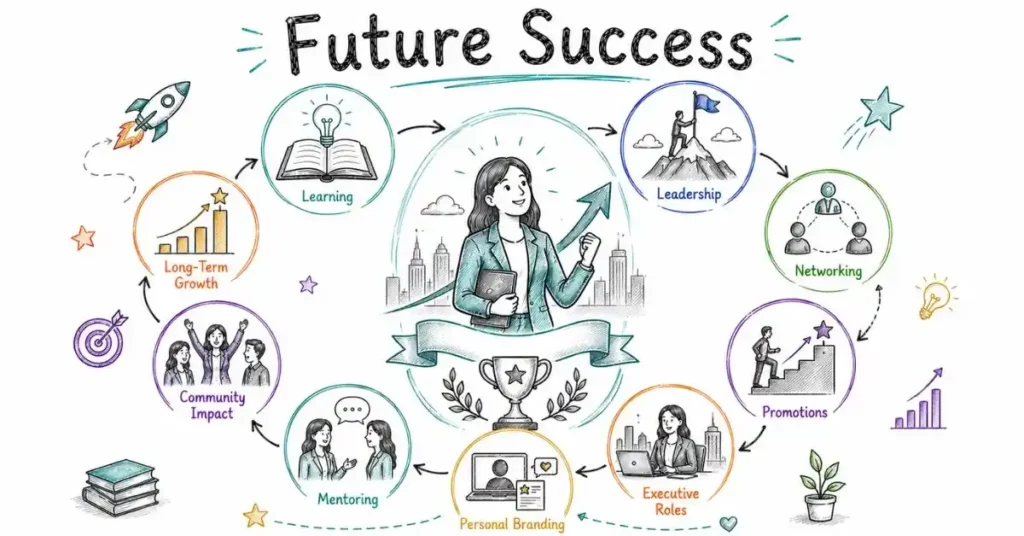
Conclusion: Your Career is a Marathon, Not Sprint
Customer Success offers clear, achievable career progression from entry-level roles earning ₹4-6 lakhs to executive positions earning ₹1 crore+. The path is well-defined, the opportunities are abundant, and the demand is growing.
But career success requires intentional planning, continuous skill development, strategic moves, and patience. You won’t become a VP in 3 years (and those who claim they did often aren’t telling the full story).
The beautiful thing about Customer Success careers? Your advancement depends primarily on your performance, not politics or luck. If you consistently deliver results, develop your skills, and position yourself strategically, progression is inevitable.
Where will you be in 5 years? That depends entirely on the choices you make today. Start planning. Start building. Start progressing.
Your CS career journey begins with that first role, but where it ends is entirely up to you.