
Customer Success Career Guide: Support & CX Management Jobs
Table of Contents
Introduction: Why Customer Success is India's Hottest Career Path Right Now
Remember when your cousin who works at that fancy tech company in Bangalore told you about their “Customer Success Manager” role? You probably wondered isn’t that just a fancy name for customer support?
Here’s the truth: Customer Success has evolved into one of the most strategic, high-paying, and rewarding career paths in India’s booming SaaS industry. Unlike traditional customer support that reacts to problems, Customer Success professionals proactively ensure customers achieve their goals with a product or service. Think of it this way support fixes what’s broken; success ensures nothing breaks in the first place.
As India continues to emerge as a global SaaS hub with companies like Freshworks, Zoho, Postman, and Chargebee leading the charge, the demand for skilled Customer Success professionals has skyrocketed. According to LinkedIn data, there are over 12,000 active Customer Success job openings across India right now. Companies have realized a simple truth: retaining an existing customer costs five times less than acquiring a new one. This makes Customer Success Managers the unsung heroes driving revenue and growth.
Whether you’re a fresh graduate looking for your first job, a professional seeking a career switch from sales or support, or someone who genuinely loves helping people succeed, this comprehensive guide will walk you through everything you need to know about building a thriving career in Customer Success.
What Exactly is Customer Success?
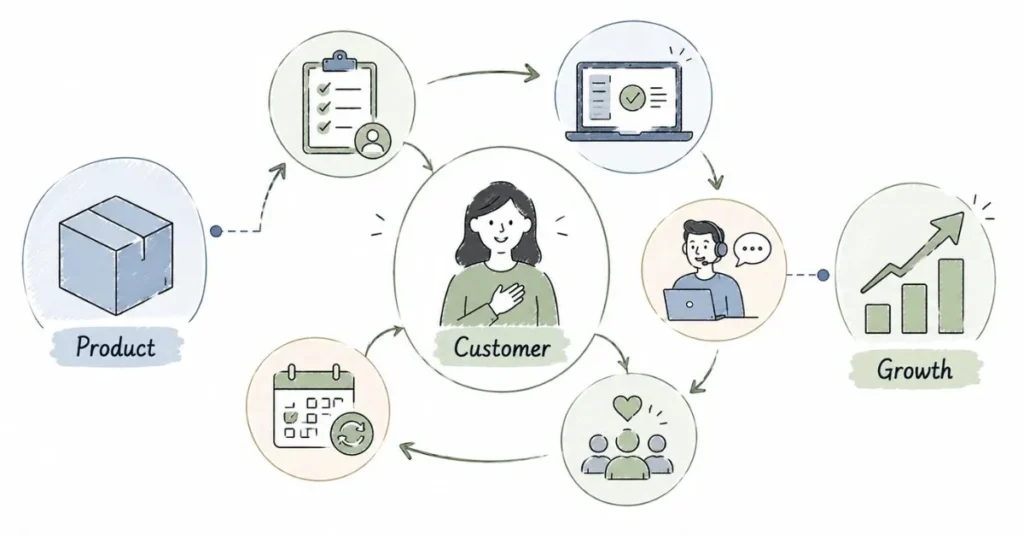
Let me share a real scenario. Priya works as a Customer Success Manager at a B2B SaaS company in Hyderabad. Her company sells project management software to mid-sized businesses. When a new client signs up, Priya doesn’t just wait for them to figure things out. She schedules onboarding calls, understands their workflow challenges, trains their team on using the software effectively, and regularly checks in to ensure they’re getting value.
When she notices that a client hasn’t logged in for two weeks, she proactively reaches out to identify issues before they consider canceling. When renewal time approaches, she presents data showing how the software saved them 200 work hours last quarter. That’s Customer Success in action.
Customer Success is a business methodology focused on helping customers achieve their desired outcomes while using your product or service. It’s about building long-term relationships, driving product adoption, reducing customer churn, and identifying opportunities for account expansion.
The philosophy is simple but powerful: when your customers succeed, your company succeeds. This creates a win-win relationship where customer satisfaction directly translates to business growth.
The Evolution of Customer Success in India (2020-2026)
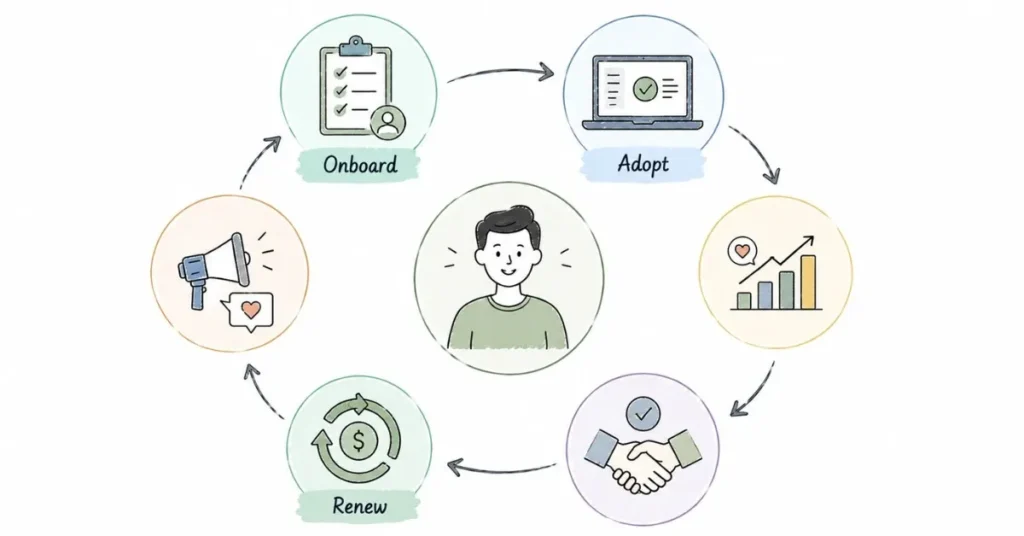
The Customer Success function in India has undergone a remarkable transformation over the past six years. Back in 2020, most companies had small support teams handling customer queries reactively. Fast forward to 2026, and Customer Success has become a distinct, strategic department with its own goals, metrics, and career paths.
Several factors drove this evolution:
The SaaS Boom: India’s SaaS market has exploded, with over 1,000 SaaS startups generating annual revenues exceeding $12 billion. Every SaaS company needs Customer Success teams to ensure subscription renewals and reduce churn.
Remote Work Revolution: The pandemic proved that Customer Success roles could be performed effectively from anywhere. This opened doors for professionals across tier-2 and tier-3 cities to access opportunities previously concentrated in Bangalore, Pune, and Hyderabad.
Data-Driven Approach: Modern Customer Success relies heavily on analytics, health scores, and predictive insights. This shift elevated the role from relationship management to strategic business function.
Global Client Servicing: Many Indian professionals now manage international clients, especially from the US and Europe, creating opportunities for higher compensation and exposure to diverse business cultures.
Today, Customer Success is recognized as a critical revenue-driving function. Companies invest in sophisticated Customer Success platforms, hire specialized roles, and create clear career progression paths for CS professionals.
Customer Success vs Customer Support vs Account Management
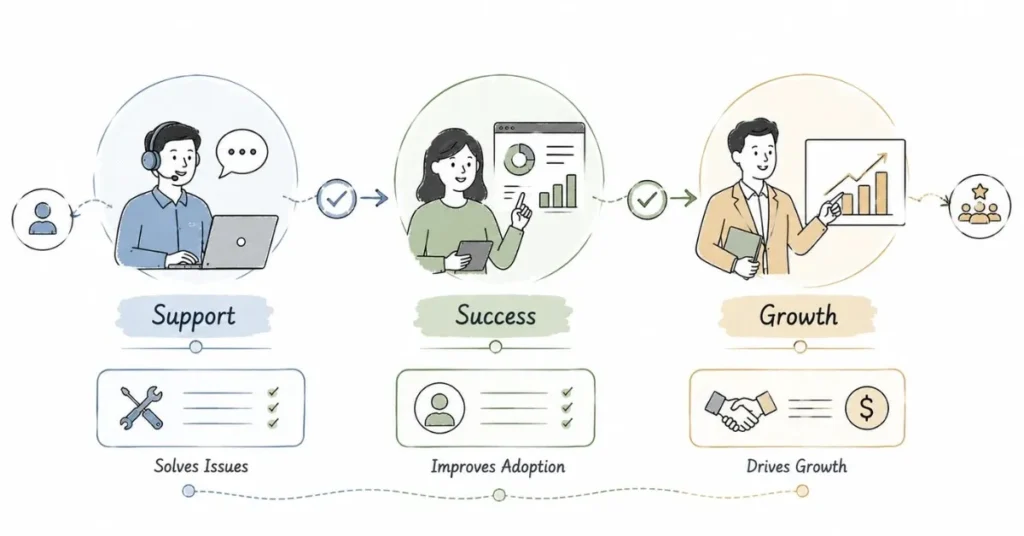
This confusion trips up many aspiring professionals, so let’s clear it up with a practical comparison:
Customer Support is reactive and transactional. When Rajesh’s software crashes at 2 AM, he raises a support ticket. The support team troubleshoots, fixes the technical issue, and closes the ticket. The interaction ends there. Support focuses on solving immediate problems and technical issues. The primary metric is response time and resolution rate.
Customer Success is proactive and relational. Anjali, the Customer Success Manager, regularly reviews Rajesh’s account health. She notices his team hasn’t adopted a new feature that could automate their reporting process. She schedules a training session, ensures adoption, and later shows how this feature saved 10 hours per week. She’s thinking ahead about Rajesh’s long-term success and renewal likelihood. The primary metrics are retention rate, product adoption, and customer lifetime value.
Account Management is revenue-focused. While Customer Success ensures customers get value, Account Managers specifically focus on expanding revenue through upsells and cross-sells. They identify opportunities to upgrade plans, add users, or purchase additional products. Often, large accounts have both a Customer Success Manager ensuring happiness and an Account Manager driving commercial growth.
In many Indian startups and SMBs, these roles overlap, especially in early stages. A Customer Success Manager might handle support tickets, conduct onboarding, and identify upsell opportunities. As companies mature, these functions separate into specialized roles.
Why Choose Customer Success as a Career?
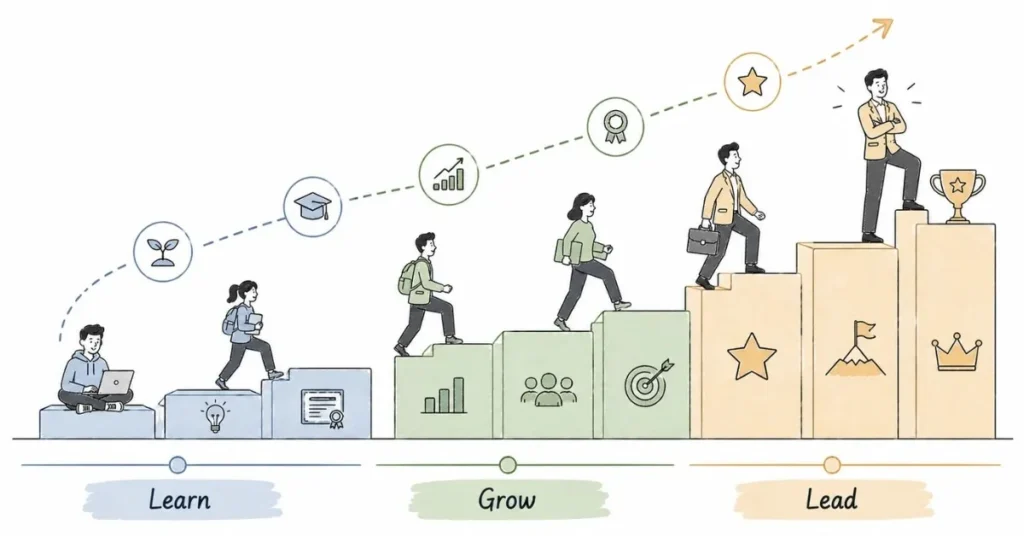
Let me be honest with you. I’ve seen commerce graduates, engineers who didn’t like coding, MBA freshers, and even content writers transition into Customer Success roles successfully. Here’s why this career path makes sense:
- No Rigid Educational Requirements: Unlike software engineering or data science, Customer Success doesn’t demand specific degrees or technical backgrounds. Sure, a bachelor’s degree helps, but your communication skills, empathy, and willingness to learn matter more.
- Attractive Compensation: Entry-level Customer Success Associates in India earn between ₹3-6 lakhs annually. With 3-4 years of experience, Customer Success Managers earn ₹8-16 lakhs. Senior CSMs and Team Leads can command ₹20-35 lakhs, with top performers at large companies earning beyond ₹50 lakhs.
- Work-Life Balance: Most Customer Success roles offer structured work hours, remote flexibility, and manageable stress levels compared to sales or operations roles.
- Clear Career Progression: You can progress from Associate to Manager to Senior Manager to Director to VP of Customer Success within 7-10 years with consistent performance.
- Diverse Industry Exposure: Customer Success roles exist across SaaS, fintech, edtech, healthtech, e-commerce, and enterprise software sectors. You can choose industries that interest you.
- Skill Transferability: The skills you develop communication, problem-solving, data analysis, relationship building are valuable across any career path. Many Customer Success professionals later transition to product management, sales leadership, or even start their own businesses.
- Job Security and Demand: With over 12,000 active openings and growing, Customer Success professionals are in high demand. Companies struggle to find qualified candidates, making it a job seeker’s market.
- Impact and Satisfaction: There’s genuine satisfaction in helping customers succeed. You’ll receive thank-you emails, positive feedback, and see tangible results from your efforts. It’s not just pushing sales targets it’s about creating value.
Understanding Customer Success Roles: From Entry to Executive
The Customer Success career ladder has distinct levels, each with specific responsibilities, skill requirements, and compensation ranges. Let me walk you through the complete hierarchy:
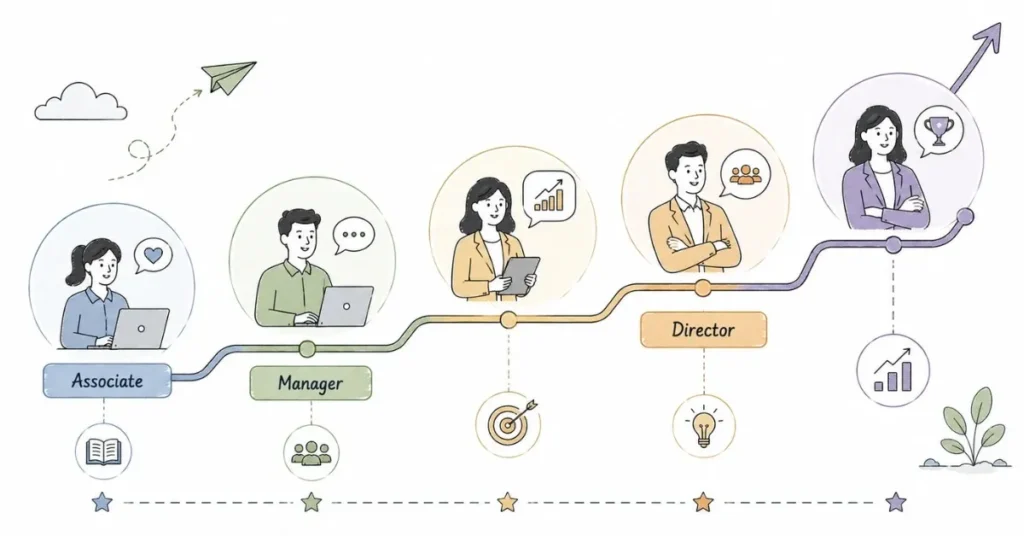
Entry-Level: Customer Success Associate / Customer Support Specialist (0-2 years)
This is where most people start. You’ll handle onboarding calls, respond to customer queries, maintain documentation, and assist senior CSMs with account management. Expect to manage 30-50 accounts with lower complexity. Your daily routine includes answering emails, scheduling calls, updating CRM records, and learning the product inside out.
Salary Range: ₹3-6 lakhs annually
Skills Needed: Basic communication, CRM familiarity, patience, learning agility
Mid-Level: Customer Success Manager (2-5 years)
Now you own accounts end-to-end. You’ll conduct quarterly business reviews, identify upsell opportunities, handle contract renewals, and serve as the primary point of contact for 15-30 mid-market accounts. You’re expected to influence customer decisions, present data-driven insights, and collaborate with sales, product, and support teams.
Salary Range: ₹8-16 lakhs annually
Skills Needed: Strategic thinking, data analysis, presentation skills, negotiation
Senior Level: Senior Customer Success Manager / Team Lead (5-8 years)
crores in annual revenue) or lead a small team of CSMs. You’re involved in strategic planning, defining playbooks, mentoring junior team members, and handling executive-level client relationships. You’ll present to C-suite clients and influence product roadmap based on customer feedback.
Salary Range: ₹18-30 lakhs annually
Skills Needed: Leadership, executive presence, advanced analytics, strategic account planning
Leadership: Director of Customer Success (8-12 years)
You oversee the entire Customer Success function for a business unit or region. This means setting team targets, defining processes, managing budgets, hiring, and ensuring overall retention and expansion metrics. You work closely with Sales, Product, and Leadership teams to align customer success strategy with business goals.
Salary Range: ₹30-50 lakhs annually
Skills Needed: People management, budget planning, cross-functional leadership, business acumen
Executive: VP of Customer Success / Chief Customer Officer (12+ years)
You’re a member of the senior leadership team, responsible for customer success across the entire organization. You define the vision, build the department from scratch or scale it, influence company strategy, and directly impact revenue. You’ll hire directors, set up customer success infrastructure, and represent the voice of the customer at the highest level.
Salary Range: ₹50 lakhs – ₹1 crore+ annually
Skills Needed: Visionary leadership, P&L ownership, board-level communication, organizational design
Additionally, there are specialized roles that branch off the main path:
- Customer Onboarding Specialist: Focuses exclusively on the first 90 days of customer journey
- Customer Education Manager: Creates training content, webinars, and certification programs
- Technical Customer Success Manager: Serves technical audiences with API documentation and integration support
- Renewal Manager: Specializes in contract renewals and preventing churn
- Customer Experience Analyst: Focuses on data analysis, health scoring, and insights generation
Essential Skills Every Customer Success Professional Needs
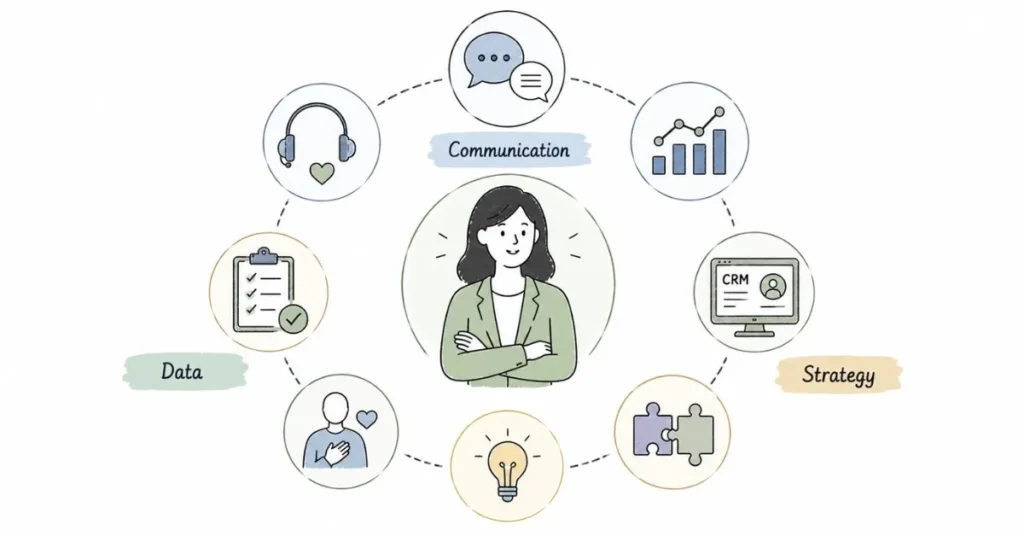
Based on conversations with dozens of hiring managers across Indian SaaS companies, here are the skills that truly matter:
Core Soft Skills:
Communication: This isn’t just about speaking English fluently. It’s about explaining complex product features in simple terms, writing clear emails that customers actually read, presenting data to executives, and adapting your communication style based on who you’re talking to.
Empathy and Emotional Intelligence: You need to genuinely care about customer problems. When a frustrated client calls because their team can’t figure out a feature, you must sense their stress, validate their concerns, and patiently guide them to a solution. Empathy builds trust, and trust drives retention.
Active Listening: Most people listen to respond, not to understand. Great Customer Success Managers listen completely, ask clarifying questions, and truly understand the underlying problem before offering solutions.
Problem-Solving: Customers rarely come with straightforward problems. They’ll say “your software doesn’t work” when the real issue is they haven’t trained their team properly. You need to diagnose root causes and craft practical solutions.
Time Management and Organization: When you’re managing 20-30 accounts, multiple projects, scheduled calls, and unexpected escalations, staying organized isn’t optional. You’ll need to prioritize ruthlessly and use productivity tools effectively.
Technical Skills:
CRM Proficiency: You’ll spend hours daily in platforms like Salesforce, HubSpot, Zoho CRM, or Freshworks CRM. Know how to update records, create reports, set up automation, and extract insights.
Customer Success Platforms: Tools like Gainsight, Totango, ChurnZero, and Catalyst are industry standards. While you don’t need to master them before your first job, willingness to learn quickly is crucial.
Data Analysis: You should be comfortable with Excel/Google Sheets, creating pivot tables, analyzing trends, and presenting data visually. Basic knowledge of analytics platforms like Mixpanel or Amplitude is a bonus.
Product Knowledge: Deep understanding of your company’s product is non-negotiable. You should know features, use cases, common issues, workarounds, and roadmap. Spend time actually using the product like a customer would.
Basic Technical Troubleshooting: While you’re not tech support, understanding basic technical concepts helps. Know how APIs work, what integrations mean, and how to guide customers through technical setups.
Business Skills:
Commercial Awareness: Understand how your company makes money. Know pricing models, what drives revenue, profit margins, and how Customer Success impacts the bottom line. This business acumen separates average CSMs from great ones.
Stakeholder Management: You’ll work with Sales (who brought the customer in), Product (who builds what customers need), Support (who handles technical issues), and Finance (who handles billing). Managing these internal relationships is as important as managing customer relationships.
Negotiation: When a customer wants to cancel or demands a discount, you need negotiation skills to find win-win solutions. This doesn’t mean being pushy it means creative problem-solving that addresses their concerns while protecting company interests.
Strategic Thinking: Don’t just react to what customers ask for. Think ahead about their business goals, anticipate future needs, and position yourself as a strategic advisor rather than just a service provider.
Certifications and Training That Actually Matter
Here’s some straight talk about certifications: they help, but they’re not magic tickets to jobs. Companies care more about practical skills and cultural fit. That said, certifications can boost your resume, fill knowledge gaps, and demonstrate commitment to the field.
Most Recognized Certifications:
- Certified Customer Success Manager (CCSM) by SuccessCOACHING
Widely recognized globally, this certification covers CS fundamentals, customer journey mapping, health scoring, and best practices. It’s offered by the University of San Francisco’s partnership with SuccessCOACHING.
Cost: Around $1,500-2,000 (₹1.2-1.6 lakhs)
Duration: Self-paced, typically 4-6 weeks
Worth it for: Mid-career professionals looking to formalize their knowledge
- Certified CSM Professional (CCSMP) by Practical CSM
This is a structured, four-level certification path aligned with international standards (ISO/IEC 17024). It’s particularly good for teams and structured learning.
Cost: Varies by level, starting around $500 (₹40,000)
Duration: Level-based progression
Worth it for: Those wanting structured, progressive learning
- Customer Success Management Certification by Gainsight
Since Gainsight is the leading Customer Success platform, their certification teaches both philosophy and practical platform usage.
Cost: Free to around $500 for advanced tracks
Duration: Self-paced modules
Worth it for: Those specifically targeting companies using Gainsight
- HubSpot Service Hub Certification
Free certification focusing on customer service and success strategies within the HubSpot ecosystem.
Cost: Free
Duration: 3-4 hours
Worth it for: Beginners or those targeting HubSpot users
Online Courses Worth Taking:
- LinkedIn Learning: Multiple courses on customer success, relationship management, and CRM tools
- Udemy: “Customer Success Manager: CS Leadership Training” and similar practical courses
- Coursera: Customer Success specializations from recognized universities
- YouTube: Free content from CS leaders like Nick Mehta (CEO, Gainsight), Lincoln Murphy, and Practical CSM
My Honest Advice: If you’re starting out, skip expensive certifications initially. Focus on building practical skills, getting your first job, and learning on the job. Once you have 2-3 years of experience, invest in recognized certifications to formalize your expertise and position yourself for senior roles.
Breaking Into Customer Success: Your Action Plan
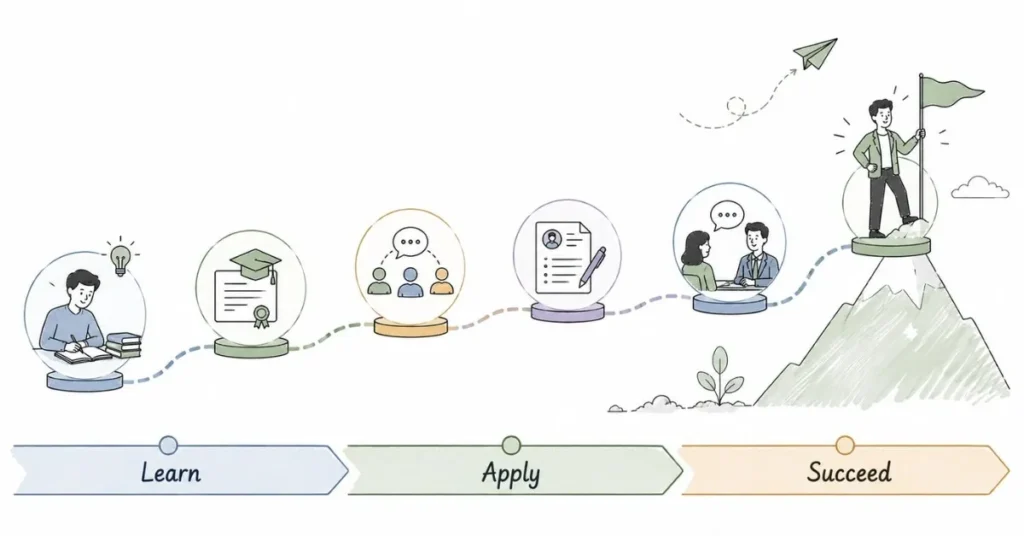
So you’re convinced Customer Success is for you. Now what? Here’s your step-by-step roadmap:
Step 1: Assess Your Starting Point
Are you a fresh graduate? A professional switching from another field? Someone in customer support wanting to transition? Your starting point determines your strategy. Fresh graduates should target Associate roles. Professionals with sales, support, or account management experience can aim directly for CSM positions.
Step 2: Build Foundational Knowledge
Spend 2-3 weeks understanding Customer Success deeply. Read blogs on ChurnZero, Gainsight, and Practical CSM websites. Follow CS leaders on LinkedIn. Watch YouTube videos explaining CS concepts. Join free webinars. Understand terminology like churn, NRR, health scores, and customer lifecycle.
Step 3: Develop Demonstrable Skills
You don’t need a job to build relevant skills:
- Sign up for free CRM trials (HubSpot, Zoho CRM) and learn navigation
- Take free Excel courses to improve data analysis abilities
- Practice creating presentation decks explaining how you’d onboard customers
- Write sample customer success playbooks or emails
Step 4: Craft a Compelling Resume
Your resume should highlight:
- Communication skills (presentations made, emails written, training conducted)
- Customer-facing experience (even if it’s retail, hospitality, or informal)
- Problem-solving examples (how you resolved conflicts or improved processes)
- Tool proficiency (CRM, Excel, communication platforms)
- Quantifiable achievements (“Managed 50+ customer queries daily with 95% satisfaction”)
Tailor each resume to the specific job description. Use keywords from the job posting.
Step 5: Build Your Online Presence
Create or optimize your LinkedIn profile:
- Write a headline like “Aspiring Customer Success Professional | Customer-Focused Problem Solver”
- In your About section, explain why you’re passionate about customer success
- Share relevant content, comment on CS-related posts, engage with the community
- Follow and interact with companies you want to work for
Step 6: Target the Right Companies
Don’t just apply randomly. Target:
- Growing SaaS startups (50-200 employees) who are building CS teams
- Established companies with mature CS functions offering training
- Remote-first companies open to hiring across India
- Companies whose products genuinely interest you
Research each company before applying. Understand their product, customers, and challenges.
Step 7: Network Strategically
Join Customer Success communities:
- Gain Grow Retain (CS Slack community)
- Customer Success Network India (LinkedIn group)
- Local CS meetups in Bangalore, Pune, Hyderabad
- Attend virtual CS conferences
Connect with CS professionals, ask for informational interviews, seek mentorship. Many people are willing to help if you approach respectfully.
Step 8: Ace the Interview
CS interviews typically include:
- Behavioral questions (Tell me about a time you handled a difficult customer)
- Role-play scenarios (How would you handle a customer threatening to churn?)
- Case studies (Here’s a customer health score what actions would you take?)
- Cultural fit assessment
Prepare specific examples using the STAR method (Situation, Task, Action, Result). Show empathy, strategic thinking, and customer-centricity in your answers.
Step 9: Leverage Your First Role
Your first CS job might not be perfect maybe the pay is lower than expected, or it’s more support-heavy than strategic. Take it anyway. You need that first experience on your resume. Once inside:
- Learn voraciously
- Exceed expectations
- Document your achievements
- Build relationships
- After 1-2 years, you’ll have leverage to move to better roles
Understanding Customer Success Metrics and KPIs
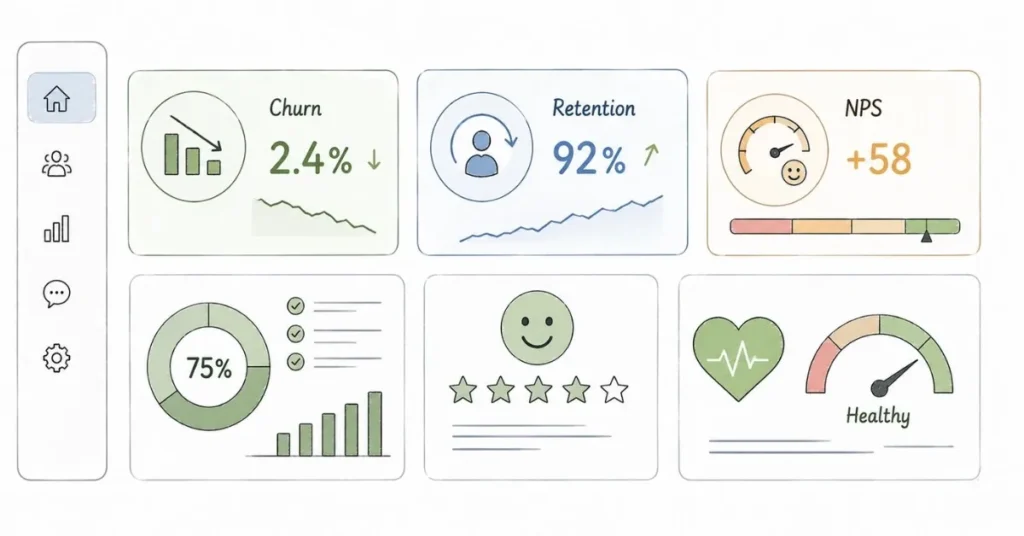
One thing that surprises many new Customer Success professionals is how data-driven the role has become. You’ll be measured on specific metrics, and understanding them is crucial for success.
Core Customer Success Metrics:
Churn Rate: The percentage of customers who cancel within a given period. If you started the month with 100 customers and 5 canceled, that’s 5% monthly churn. Your primary job is to keep this number as low as possible.
Net Revenue Retention (NRR): This measures revenue retained from existing customers, including expansions and downgrades. An NRR above 100% means you’re growing revenue from existing customers even without new sales. Top SaaS companies target 120%+ NRR.
Customer Lifetime Value (CLV): The total revenue a customer generates throughout their relationship with your company. Higher CLV means better business sustainability.
Customer Health Score: A composite metric combining product usage, support tickets, payment history, engagement, and sentiment to predict churn risk. You’ll spend significant time monitoring and improving health scores.
Customer Satisfaction Score (CSAT): Typically measured with post-interaction surveys asking “How satisfied were you?” on a 1-5 scale. Target 80%+ satisfaction.
Net Promoter Score (NPS): Measures customer loyalty by asking “How likely are you to recommend us?” on a 0-10 scale. Scores of 9-10 are promoters, 7-8 are passives, 0-6 are detractors. NPS = % promoters – % detractors.
Time to Value (TTV): How quickly new customers achieve their first meaningful outcome with your product. Faster TTV leads to better retention.
Product Adoption Rate: What percentage of customers actively use your product and key features. Low adoption predicts churn.
Understanding these metrics helps you prioritize work, identify at-risk customers, and demonstrate your impact on business outcomes.
The Future of Customer Success in India
Looking ahead to the next 3-5 years, several trends will shape Customer Success careers in India:
AI and Automation: Routine tasks like sending renewal reminders, updating CRM records, and generating reports will be automated. This is good news it frees you to focus on strategic relationships and complex problem-solving. CS professionals who embrace AI tools will thrive.
Hyper-Specialization: As the field matures, we’ll see more specialized roles Technical CSMs, Industry-Specific CSMs, CS Operations Managers, Customer Education Managers. Choose your specialization based on interests and market demand.
Remote and Global Opportunities: Indian CS professionals are increasingly managing global clients while working from home. This trend will accelerate, offering access to international compensation without relocation.
Strategic Positioning: Customer Success is moving from a support function to a revenue-driving strategic function. Future CS leaders will sit at executive tables, influence product strategy, and directly impact company valuation.
Stronger Linkage to Revenue: Expect more CS roles with variable compensation tied to retention, expansion, and NRR. This mirrors sales compensation models and rewards high performers significantly.
Community-Led Growth: Companies are building customer communities, and CSMs will facilitate these. You might host virtual events, moderate forums, and turn customers into advocates.
The bottom line? Customer Success is not just a job it’s a career with long-term growth potential, especially in India’s booming tech economy.
Your Next Steps: Taking Action Today
If you’ve read this far, you’re already ahead of most people. Knowledge without action is useless, so here’s what you should do right now:
Today:
- Update your LinkedIn profile with Customer Success keywords
- Join one CS community (start with Gain Grow Retain on Slack)
- Sign up for a free HubSpot Academy course on customer success
This Week:
- Research 10 companies in India hiring for CS roles
- Rewrite your resume emphasizing customer-facing skills
- Connect with 5 Customer Success professionals on LinkedIn with personalized messages
This Month:
- Complete one free certification (HubSpot Service Hub)
- Apply to 15-20 relevant positions
- Schedule informational interviews with 2-3 CS professionals
- Practice answering common interview questions
Within 3 Months:
- Aim to land your first interview
- Keep learning and refining your approach
- Document your learning journey (maybe start a blog?)
- Stay persistent the right opportunity will come
Detailed Subtopic Guides
This master guide provides the foundation, but we’ve created 12 in-depth guides covering every aspect of Customer Success careers:
- What is a Customer Success Career? – Complete introduction for beginners
- Customer Success Job Roles and Responsibilities – Detailed breakdown of every position
- Essential Customer Success Skills – Deep dive into required competencies
- Customer Success Certifications and Training – Complete certification comparison
- Customer Success Tools and Software – Platform-by-platform guide
- Customer Success Salary Guide – Detailed compensation data for India
- Breaking into Customer Success – Entry-level comprehensive guide
- Customer Success Career Progression – Your roadmap from CSM to CCO
- Customer Experience Metrics and KPIs – Data analysis and reporting
- Customer Success Interview Preparation – 50+ questions and answers
- Remote Customer Success Jobs – Guide to virtual CS careers
- Industry-Specific Customer Success – CS across different sectors
Each guide provides 2,500-3,000 words of detailed, actionable information tailored to Indian professionals.
Final Thoughts
Customer Success is more than just a career it’s a mindset. It’s about genuinely caring when customers struggle, celebrating when they succeed, and constantly finding ways to add value. If that resonates with you, you’ve found the right path.
The Indian tech industry is growing explosively, and Customer Success professionals are at the heart of this growth. Companies are desperate for talented individuals who can retain customers, drive expansion, and build lasting relationships. The opportunity is massive, and the timing is perfect.
Yes, you’ll face challenges difficult customers, internal politics, pressure to hit metrics. But you’ll also experience the satisfaction of turning around an unhappy customer, the pride of helping someone achieve their business goals, and the financial rewards of a high-growth career.
Your journey starts with a single step. Make it today.