
Social Media Legal Guide: Copyright, Disclosure & Platform Policies Explained
Table of Contents
Introduction: Legal Knowledge Protects Your Career
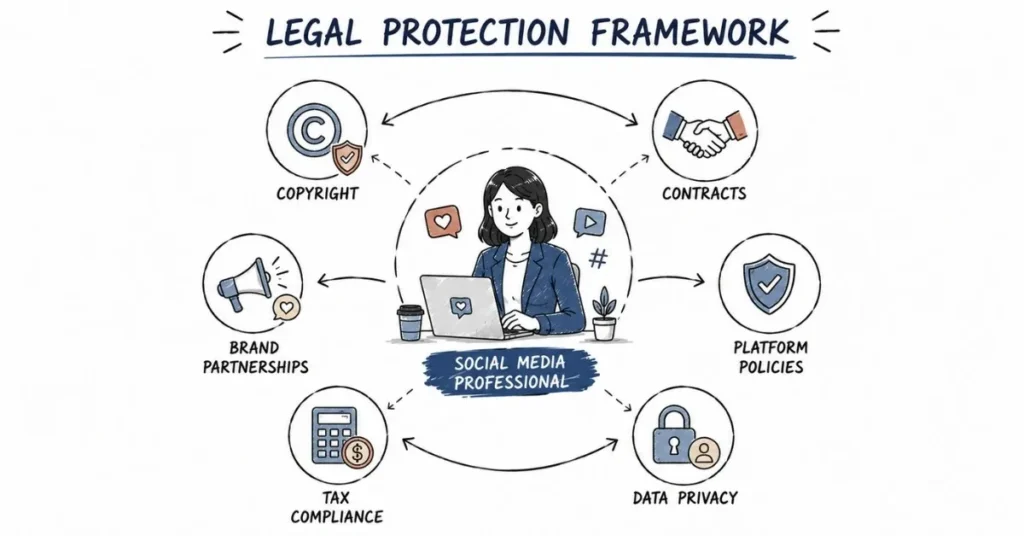
Most social media creators and professionals focus intensely on content creation, growth strategies, and monetization understandably so, as these drive immediate results. However, legal issues often lurk in blind spots, only becoming apparent when serious problems emerge. A copyright strike shuts down your monetized YouTube channel. An FTC investigation targets undisclosed sponsorships. A contract dispute with a brand escalates to legal action. A data breach exposes your business to liability.
The good news is that understanding essential legal principles isn’t complicated, doesn’t require law degrees, and provides crucial protection for your content, income, and reputation. While this guide provides educational information about legal topics affecting social media professionals in India, it’s not legal advice consult qualified attorneys for specific legal situations.
This comprehensive guide covers the legal fundamentals every Indian social media professional should understand, including copyright basics protecting your content and respecting others’ rights, disclosure and transparency requirements for sponsored content, platform policies and terms of service you must follow, contract essentials for brand partnerships and employment, data privacy and protection considerations, and defamation and legal risks in online communications.
Copyright Fundamentals: Protecting and Respecting Creative Work
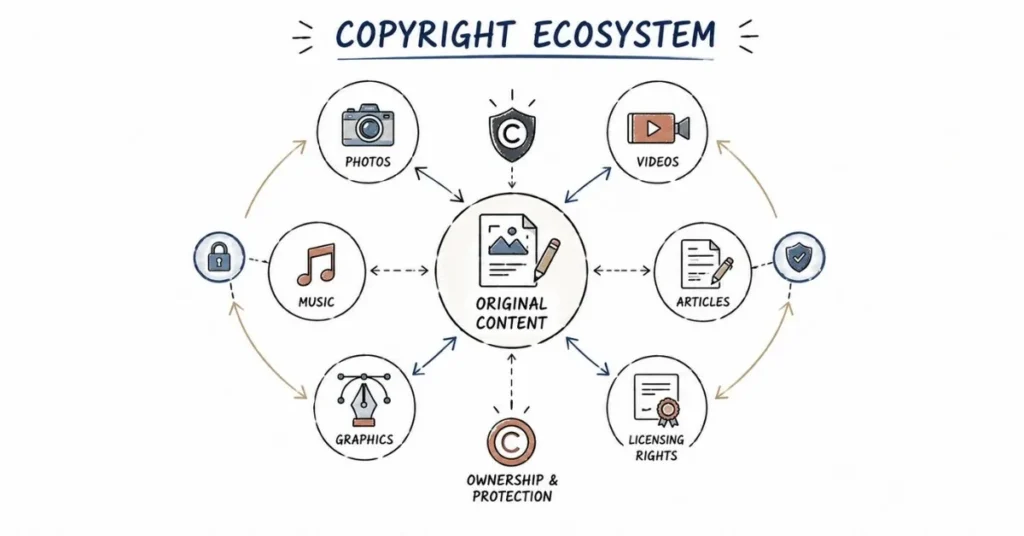
Copyright law protects original creative works, giving creators exclusive rights to use, distribute, and profit from their content.
What Copyright Protects
Copyright automatically protects original creative works fixed in tangible form, including written content (blog posts, captions, scripts, articles), photographs and graphics, videos and films, music and audio recordings, software and code, and choreography and performances.
Key Principle: Copyright protection is automatic upon creation you don’t need to register or display © symbols (though registration provides additional legal benefits). Copyright applies regardless of whether content is published online or kept private.
What Copyright Doesn't Protect
Copyright doesn’t protect ideas (only specific expression of ideas), facts and data (though compilation can be protected), titles and short phrases (trademark might protect brands), procedures and processes (patent might protect inventions), or works in public domain (copyright expired or never applied).
Your Rights as Content Creator
When you create original content, you own copyright and have exclusive rights to reproduce and distribute your work, create derivative works based on it, display or perform your work publicly, license usage rights to others, and monetize your content.
Others cannot legally copy and republish your content without permission, edit and redistribute your work, use your content for commercial purposes without licensing, or remove watermarks or attribution from your content.
Using Others' Content: When You Need Permission
You generally need permission (licenses) to use others’ copyrighted content commercially, including music in videos, stock photos and graphics, video clips and B-roll footage, branded content and logos, and written content and quotes.
Music in Videos: Particular Concern
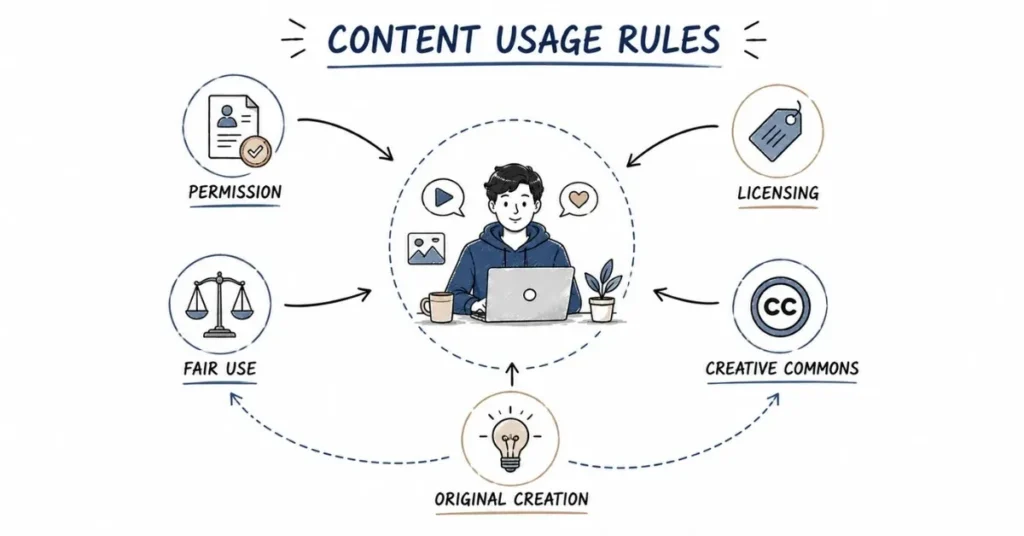
Music is highly protected and rigorously enforced on platforms.
Legal Options: Use YouTube Audio Library (free music cleared for YouTube use). Purchase licenses from music licensing platforms (Epidemic Sound, Artlist, Soundstripe ₹1,000-5,000 monthly). Use Creative Commons licensed music (verify specific license terms). Commission original music or use royalty-free music. Get explicit permission from copyright holders (often impossible with major label music).
Illegal Practices: Using popular copyrighted songs without licenses. Assuming “no copyright intended” disclaimers provide legal protection (they don’t). Relying on “transformative use” arguments without understanding fair use.
Fair Use Doctrine: Limited Exception
Fair use allows limited use of copyrighted material without permission in specific circumstances. This is US law, but similar exceptions exist in Indian copyright law under “fair dealing.”
Fair Use Factors: Purpose (criticism, commentary, education, news reporting, research favored over commercial entertainment). Nature of copyrighted work (using factual works more likely fair than creative works). Amount used (smaller portions more likely fair than entire works). Effect on market (if your use substitutes for original, unlikely to be fair).
Important: Fair use is determined case-by-case by courts. It’s a defense, not a right you might still face legal action even if ultimately deemed fair use. Don’t assume your use qualifies without legal consultation.
Examples Potentially Fair Use: Short clips in review or criticism videos with commentary. Quoting excerpts in educational content. Parody and transformative commentary.
Not Fair Use: Using entire songs in videos because you’re “promoting” the artist. Copying others’ content and adding minimal commentary. Using copyrighted material purely for entertainment without transformation.
Copyright on Social Media Platforms
Platforms have systems detecting and enforcing copyright:
YouTube Content ID: Automated system scans uploads comparing them against copyright holders’ content database. Matches result in copyright claims (ad revenue goes to copyright holder) or strikes (more serious, channel suspension after three strikes).
Instagram and Facebook Rights Manager: Similar detection systems for photos, videos, and music. Copyright holders can request takedowns or claim ad revenue.
Protecting Your Content
While platforms help enforce your copyright, proactive measures help:
Watermark Content: Visible watermarks deter casual theft (though determined infringers remove them). Includes your username or logo in images and videos.
Register Copyright: In India, copyright is automatic but registration through Copyright Office provides legal advantages if pursuing infringement. Registration costs approximately ₹500-5,000 depending on work type.
Monitor Usage: Use reverse image search (Google Images, TinEye) finding unauthorized use. Search your unique phrases and content discovering copies. Set Google Alerts for your name or unique content phrases.
Enforce Rights: Send cease and desist messages to infringers requesting removal. Use platform reporting mechanisms (all major platforms have copyright infringement reporting). Pursue legal action for significant commercial infringement (requires legal counsel).
Licensing Your Content
You can grant others permission to use your content through licenses:
Exclusive Licenses: Grant rights to one party exclusively (you cannot license to others during term). Command premium rates.
Non-Exclusive Licenses: Allow multiple parties to use same content. More common for stock content.
License Terms to Specify: Duration (how long can they use it?), geographic scope (where can they use it?), usage types (social media only? Print? Television?), exclusivity (can others use same content?), attribution requirements (must they credit you?), compensation (one-time fee, royalties, revenue share?).
Disclosure and Transparency: FTC Guidelines and Indian Regulations
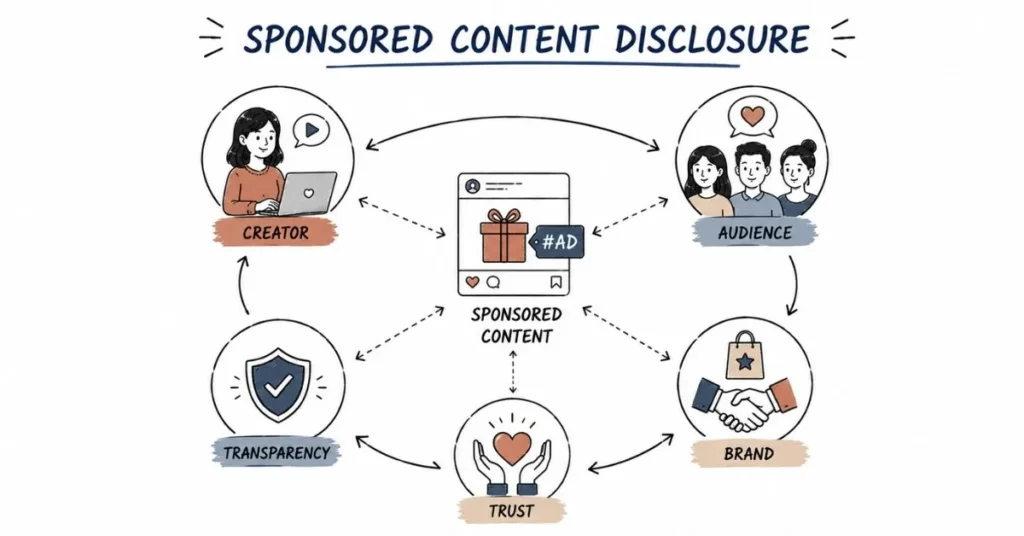
Regulations require clear disclosure of material connections between content creators and brands.
Why Disclosure Matters
Disclosure laws protect consumers from deceptive advertising. When creators promote products for compensation without disclosure, audiences can’t properly evaluate credibility. This violates consumer protection regulations in most countries, including India.
What Requires Disclosure
You must disclose when receiving compensation for promoting products or services, including cash payments for sponsored posts, free products or services in exchange for reviews, affiliate commissions from product sales, brand ambassador relationships, or any material connection that might affect content credibility
How to Disclose Properly
Clear and Conspicuous: Disclosures must be impossible to miss not buried in comments or hidden in hashtags. Use platform-specific disclosure tools (Instagram’s “Paid Partnership” feature, YouTube’s “Includes paid promotion” checkbox). Include clear disclosure language like #ad, #sponsored, or #brandpartner at the beginning of captions. Verbal disclosures in video content (“This video is sponsored by…”).
Insufficient Disclosure: #sp, #collab, #partner (ambiguous terms), disclosure buried in long captions after “see more” cutoff, disclosure only in comments (not caption), “Thanks [Brand]” without clear sponsorship disclosure, or ambiguous language like “in partnership with” without clarifying it’s paid.
Platform-Specific Disclosure
Instagram: Use “Paid Partnership” tag (settings > advanced settings > add brand partner). Include #ad or #sponsored in first three lines of caption. Disclose in Stories if story content is sponsored.
YouTube: Check “video includes paid promotion” in video details. Include verbal disclosure in video. Include written disclosure in video description.
LinkedIn: Use “Paid Partnership” label for sponsored posts. Include #ad or #sponsored in post text.
Consequences of Non-Disclosure
Regulatory action from Advertising Standards Council of India (ASCI) or consumer protection authorities. Platform penalties (content removal, account restrictions). Legal liability from consumer protection laws. Reputation damage and audience trust destruction. Brand partnerships terminated for non-compliance.
Platform Policies and Terms of Service
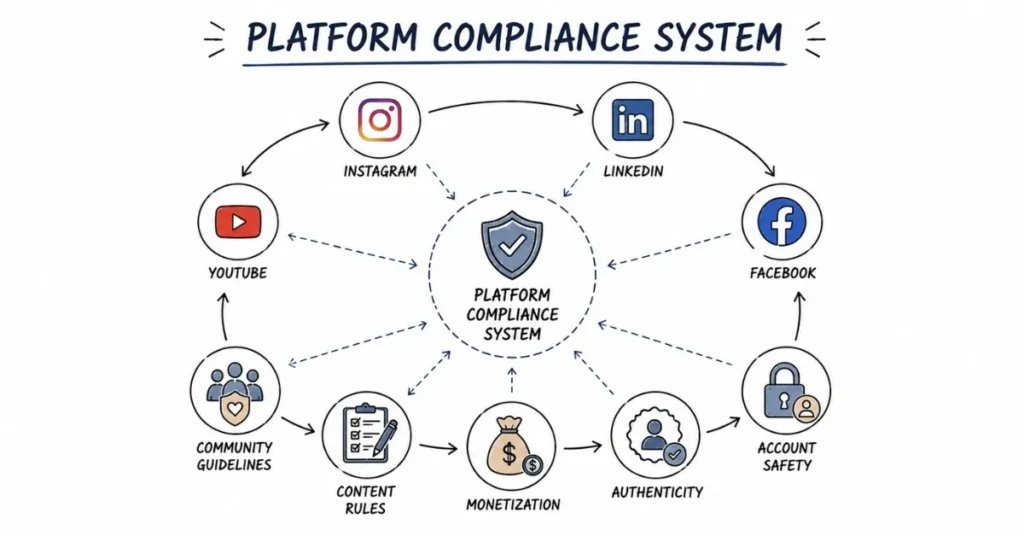
Every platform has terms of service and community guidelines governing usage. Violations can result in content removal, account suspension, or permanent bans.
Common Platform Policies
Prohibited Content: Hate speech and discrimination (content attacking people based on race, religion, gender, etc.). Violence and dangerous organizations. Harassment and bullying. Sexual content and exploitation. Misinformation and fraud. Spam and artificial engagement. Copyright infringement.
Authenticity Requirements: No impersonation of others. Accurate account information. Genuine engagement (no bots or fake accounts). Transparent identity for public figures and businesses.
Monetization Policies
Platforms with monetization programs have additional requirements:
YouTube Partner Program: Comply with all YouTube policies and guidelines. Adhere to advertiser-friendly content guidelines (avoiding controversial content). Maintain good standing (no active strikes). Meet ongoing eligibility thresholds.
Instagram and Facebook: Follow content monetization policies. Maintain authentic engagement. Comply with branded content policies.
Violation Consequences: Content removal or demonetization. Warnings and strikes against account. Temporary suspensions. Permanent account termination. Loss of monetization privileges.
Staying Compliant: Regularly review updated platform policies (they change frequently). When in doubt, err on side of caution. Appeal wrongful actions through platform processes. Maintain backup copies of content offline. Diversify presence across platforms (don’t depend entirely on one).
Contracts and Agreements: Protecting Your Interests
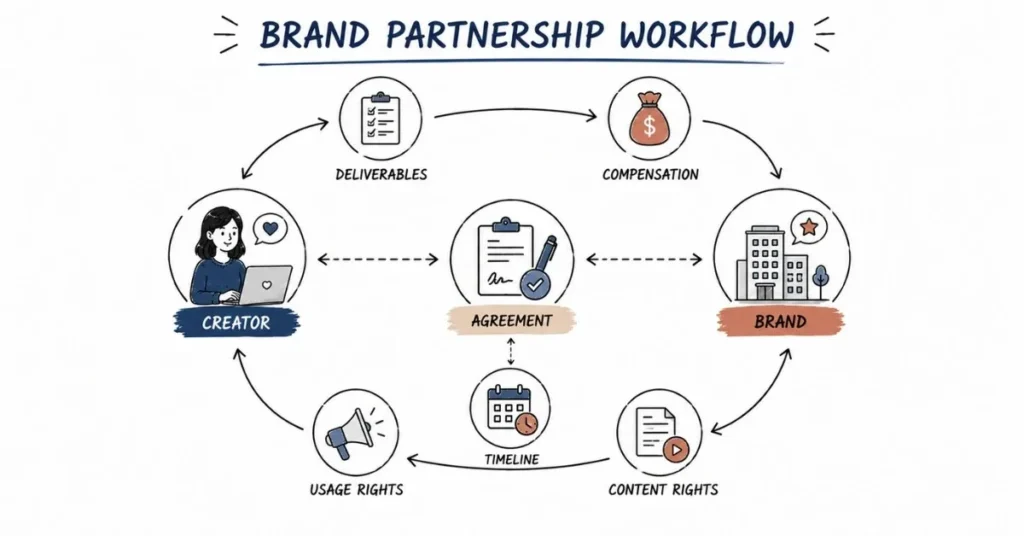
Written contracts prevent misunderstandings and protect both parties in business relationships.
Brand Partnership Contracts
When working with brands, insist on written agreements clarifying:
Scope of Work: Specific deliverables (number of posts, content types, platforms). Content requirements and brand guidelines. Timeline and deadlines. Approval processes and revision limits.
Compensation: Payment amount and currency. Payment schedule (upfront, upon completion, net 30/60). What triggers payment (content approval, publication, performance). Late payment penalties.
Content Rights: Who owns created content. Usage rights brand receives (duration, geographic scope, media types). Whether brand can repurpose content for ads. Your rights to use content in portfolio. Attribution requirements.
Exclusivity: Whether you’re restricted from working with competitors. Duration of exclusivity period. How broadly “competitors” is defined.
Disclosure and Compliance: Requirements for FTC-compliant disclosure. Responsibility for legal compliance. Guidelines for brand mentions and messaging.
Termination: Conditions allowing either party to terminate. What happens to compensation if terminated early. Content ownership upon termination.
Liability: Limitation of liability clauses. Indemnification (who’s responsible if legal issues arise). Dispute resolution process.
Red Flags in Contracts: Unlimited usage rights without corresponding compensation. Unreasonable exclusivity restrictions. Vague deliverables creating scope creep. No termination clause or unreasonable termination penalties. Work-for-hire clauses transferring copyright to brand.
Employment Contracts
When accepting full-time or freelance positions, review carefully:
Compensation and Benefits: Salary or rate. Payment schedule. Benefits (health insurance, PF, leave). Performance bonuses or incentives.
Job Responsibilities: Clear description of role and expectations. Reporting structure. Work hours and location requirements.
Intellectual Property: Whether company owns content you create during employment. Restrictions on side projects or freelancing. Non-compete clauses (often unenforceable in India but still concerning).
Termination: Notice period requirements. Severance terms if applicable. Non-disparagement clauses.
Contract Negotiation Tips: Never sign immediately request time to review (24-48 hours minimum). Negotiate terms that don’t work for you. Get everything in writing verbal agreements aren’t enforceable. When in doubt, consult legal professional (₹2,000-5,000 for contract review). Keep signed copies of all contracts.
Data Privacy and Protection
If you collect audience data, you have legal obligations regarding protection and usage.
India’s Data Protection Landscape
India’s Personal Data Protection Bill (pending) will establish comprehensive data protection regulations. Until then, Information Technology Act 2000 and various sectoral regulations govern data privacy. Best practice is following GDPR-like principles.
Data You Might Collect: Email addresses for newsletters. Contact information from website forms. Analytics and tracking data from your website. Customer data if selling products. Information from contests or giveaways.
Privacy Obligations: Provide clear privacy policy explaining data collection and use. Obtain explicit consent for data collection. Secure data appropriately preventing breaches. Use data only for stated purposes. Provide users ability to access and delete their data. Report data breaches to affected individuals.
Using Platform Analytics: Most platform analytics (Instagram Insights, YouTube Analytics) are covered by platform terms. You don’t own underlying user data. Use aggregate insights, not individual user data.
Defamation and Online Speech
While freedom of expression exists, legal boundaries exist regarding harmful speech.
Defamation Basics
Defamation is false statement harming someone’s reputation. In India, defamation can be both civil (damages) and criminal matter.
Elements of Defamation: Statement must be false (truth is absolute defense). Must be communicated to third parties (published). Must harm reputation. Must be specific to identifiable person or entity.
Avoiding Defamation: Verify facts before publishing criticism or negative reviews. State opinions clearly as opinions, not facts. Avoid making false factual claims about individuals or businesses. When criticizing, focus on actions and behaviors, not character attacks. Consider whether criticism serves public interest.
Fair Comment Defense: Honest opinion on matters of public interest based on true facts is generally protected. Criticism of public figures, businesses, and public issues receives more protection than attacks on private individuals.
Online Harassment and Cyberbullying
India’s IT Act includes provisions against online harassment, including sending offensive messages, identity theft and impersonation, cyber stalking, and publishing private information without consent.
Protecting Yourself: Document harassment (screenshots with timestamps). Report to platforms using their harassment reporting mechanisms. Block and report offenders. File police complaints for serious harassment. Consider legal action for severe cases.
Business Structure and Taxation
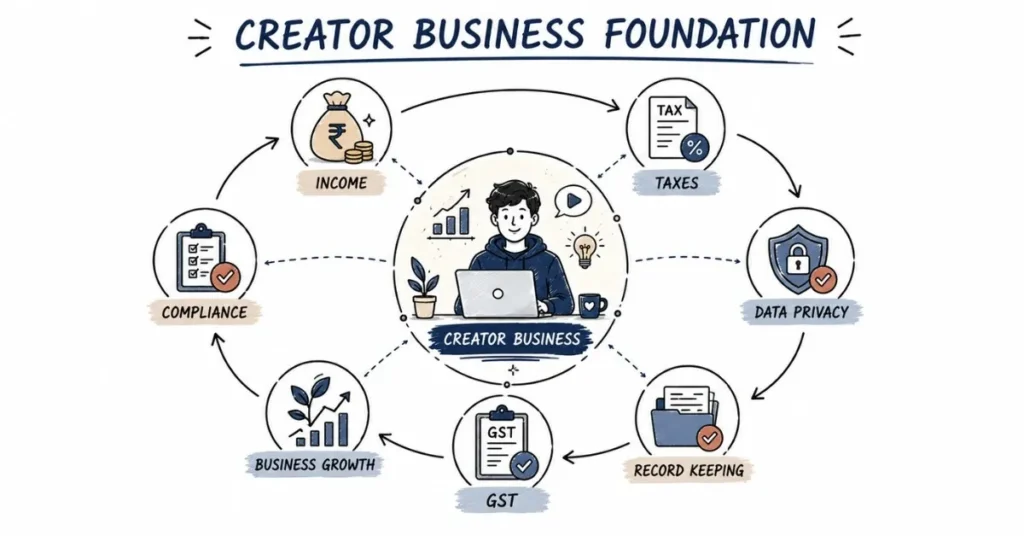
As your social media income grows, proper business structure and tax compliance become important.
Sole Proprietorship
Most Indian creators and freelancers operate as sole proprietors simplest structure with no formal registration required (though you should register for GST if turnover exceeds ₹20 lakh annually).
Advantages: Simple and inexpensive. Complete control. Direct taxation (income taxed as personal income). Minimum compliance requirements.
Disadvantages: Unlimited personal liability. Difficulty raising capital. Limited credibility with some corporate clients. Harder to sell or transfer business.
Private Limited Company or LLP
With proven experience managing successful campaigns, you operate with greater autonomy. You’re developing campaign strategies, managing creator relationships independently, handling negotiations, and owning campaign performance. Mid-level managers in India earn ₹5-10 lakh annually (approximately ₹40,000-85,000 monthly). Specialists who develop expertise in specific verticals (beauty, tech, finance) or platforms (YouTube, Instagram) often command premium compensation.
Senior Level (5-8 years): Senior Manager/Lead Influencer Marketing:
As income grows substantially, some professionals incorporate:
Advantages: Limited liability protecting personal assets. Better credibility with corporate clients. Easier to raise funding. Professional image. Tax planning opportunities.
Disadvantages: Higher compliance requirements. Audit requirements. More expensive to establish and maintain. Complex regulations.
When to Consider: Annual income exceeding ₹25-30 lakh. Hiring employees. Seeking investment or partnerships. Wanting liability protection.
Tax Obligations
Income Tax: All income from social media, including platform earnings, brand partnerships, affiliate commissions, product sales, and freelance fees, must be declared and taxed according to applicable income tax slabs (5%-30% plus applicable cess based on income).
GST (Goods and Services Tax): If annual turnover exceeds ₹20 lakh (₹10 lakh for special category states), GST registration is mandatory. Services you provide are typically taxed at 18% GST. You must collect GST from clients and remit to government.
TDS (Tax Deducted at Source): Many clients, especially corporations, deduct TDS (typically 10%) from payments. You receive credit for TDS when filing income tax returns. Obtain TAN number for TDS compliance.
Record Keeping: Maintain detailed records of all income and expenses. Keep invoices, receipts, contracts, and bank statements. Track income sources and dates. Document business expenses (equipment, software subscriptions, travel, etc.) eligible for deductions. Consider using accounting software (Zoho Books, Tally, QuickBooks).
Tax Filing: File income tax returns annually (typically July 31 deadline for individuals). Consider professional CA/tax consultant as income grows (fees typically ₹5,000-25,000 annually). Set aside approximately 30% of income for taxes to avoid surprises.
Insurance Considerations
As social media becomes your business, insurance protects against risks:
Health Insurance: Essential for freelancers without employer coverage. Critical illness and hospitalization policies. Typical premiums ₹10,000-50,000 annually depending on coverage.
Professional Liability Insurance: Protects against claims of professional negligence or errors. Relevant if providing consulting or services to clients. Covers legal defense costs. Less common in India but increasingly available.
Equipment Insurance: Protects cameras, computers, and production equipment. Particularly important for content creators with significant equipment investment.
Content Licensing Platforms
Understanding licensing options when using third-party content:
Creative Commons Licenses: Free licenses allowing creators to share work with specific permissions. Licenses range from CC0 (public domain) to CC BY-NC-ND (attribution required, non-commercial, no derivatives). Always verify specific license terms and provide required attribution.
Stock Content Libraries: Purchase licenses from stock photo/video/music sites. Licenses specify permitted uses (commercial, editorial, social media, broadcast). Prices range from ₹500-5,000 per asset for standard licenses.
Royalty-Free vs. Rights-Managed: Royalty-free doesn’t mean free it means one-time payment for unlimited use within license terms. Rights-managed licenses charge based on specific use (more expensive but exclusive).
Platform Appeals and Disputes
When facing platform penalties or disputes:
Content Appeals: Most platforms allow appealing content removals or strikes. Submit appeals promptly with clear explanations. Provide evidence supporting your position. Be professional and factual in communications. Escalate through proper channels if initial appeals fail.
Dispute Resolution: Platforms typically have internal dispute resolution processes. Review community guidelines and terms of service supporting your case. Document everything related to disputes. Consider legal consultation for serious disputes threatening your livelihood.
Backup Plans: Maintain email lists and external audiences not dependent on single platforms. Regularly backup your content offline. Build presence across multiple platforms reducing single-platform dependency.
Protecting Your Digital Assets
Your content, accounts, and intellectual property are valuable business assets requiring protection:
Account Security: Use strong, unique passwords for each platform. Enable two-factor authentication everywhere possible. Never share account credentials. Beware phishing attempts and scams. Regularly review account access and connected apps.
Content Backup: Regularly backup all original content files. Store backups in multiple locations (cloud and physical drives). Maintain master copies of high-resolution content. Archive important conversations, contracts, and agreements.
Trademark Considerations: Consider trademarking your brand name or logo as your business grows. Trademarks protect brand identity and prevent impersonation. Registration costs approximately ₹10,000-25,000 through trademark attorneys. Not necessary for beginners but valuable for established brands.
Working With Legal Professionals
When to consult attorneys:
Contract Review: Before signing significant brand deals or employment contracts. When terms are complex or involve substantial compensation. First-time major agreements.
Intellectual Property Issues: When facing copyright infringement of your work. If accused of infringement. When trademarking your brand.
Business Formation: When incorporating or forming partnership/LLP. For tax planning as income grows substantially.
Disputes: When negotiations fail and legal action is threatened. If facing platform bans threatening your livelihood. For serious defamation or harassment.
Finding Legal Help: Look for attorneys specializing in intellectual property, digital media, or entertainment law. Many offer initial consultations (₹2,000-5,000). Consider legal insurance or retainer arrangements if needing regular advice. India Bar Council website helps find licensed attorneys.
Staying Informed
Laws and regulations change, particularly in fast-evolving digital space:
Resources to Follow: Platform official blogs and creator resources. Industry organizations (ASCI, IAMAI). Legal blogs focusing on digital media law. Professional associations for creators and marketers. Webinars and workshops on legal topics.
Regular Reviews: Review platform policies quarterly (they update frequently). Annual review of your contracts and agreements. Stay informed about regulatory changes affecting digital content. Update privacy policies and disclosures as practices change.
Common Legal Mistakes to Avoid
Using Copyrighted Content Without Permission: “Everyone else does it” isn’t legal defense. Even if not caught immediately, copyright claims can come years later.
Inadequate Disclosure: Assuming hashtags alone suffice. Hiding disclosures or making them unclear. Failing to disclose material relationships.
Verbal Agreements Only: “They said they’d pay me” won’t help when payment never arrives. Always get written contracts for significant work.
Ignoring Platform Policies: Assuming policies don’t apply to you. Not reading updates to terms of service. Continuing practices after policy changes prohibit them.
No Tax Compliance: Treating social media income as hobby rather than taxable income. Failing to register for GST when required. Not maintaining financial records.
Sharing Others’ Content Without Permission: Screenshotting and reposting others’ posts without permission. Using others’ photos in your content. Assuming “credit to owner” provides legal protection (it doesn’t).
Creating Your Legal Compliance Checklist
For Every Post: Have I properly disclosed any material connections? Am I using only content I have rights to use? Does this content comply with platform community guidelines? Have I reviewed for potential defamation or privacy issues?
For Brand Partnerships: Do I have written contract clearly stating terms? Have I negotiated fair compensation for usage rights granted? Am I clear on deliverables and deadlines? Have I clarified disclosure requirements?
Quarterly Reviews: Review and update privacy policy if needed. Audit content for any copyright issues. Review contracts and agreements for compliance. Check platform policy updates. Assess whether GST registration is now required.
Annual Tasks: File income tax returns accurately and timely. Review all legal agreements and contracts. Update business structure if needed. Review insurance coverage. Conduct comprehensive legal compliance audit.
Conclusion: Legal Knowledge Empowers Your Career
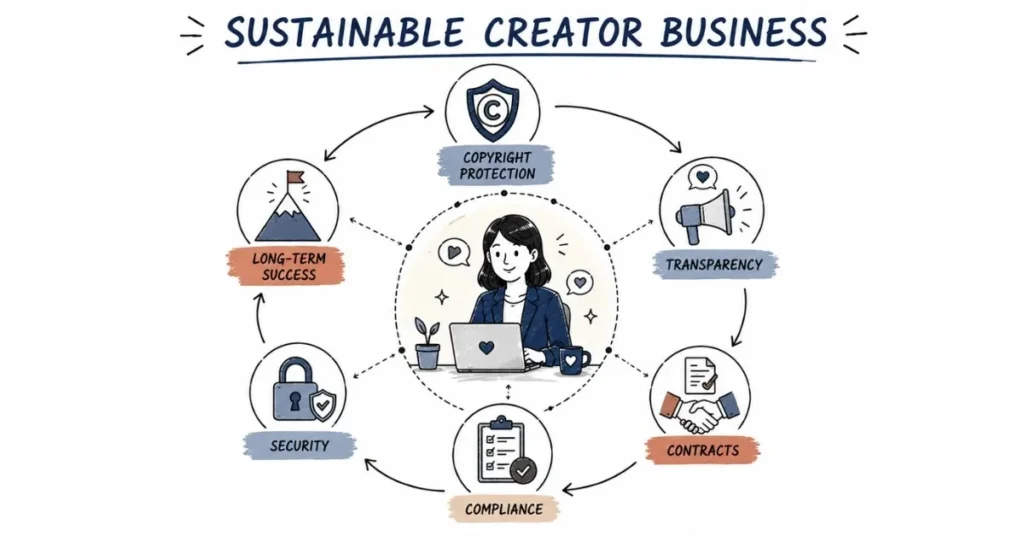
Legal compliance might seem boring compared to creating viral content or landing brand deals, but it’s the foundation allowing sustainable careers. Copyright knowledge protects your valuable content and keeps you from infringing others’ rights. Proper disclosure maintains audience trust and regulatory compliance. Understanding contracts ensures fair treatment in business relationships. Tax compliance prevents costly penalties and legal troubles. Platform policy knowledge protects your accounts and monetization.
You don’t need to become a legal expert, but understanding these fundamentals protects your livelihood, reputation, and creative work. Most legal issues are preventable through basic knowledge and careful practices. When situations exceed your knowledge, consulting qualified professionals (₹2,000-10,000 typically) is tiny investment compared to potential costs of legal problems.
Start today by implementing one improvement: add a privacy policy to your website, review your disclosure practices, get written contracts for your next brand deal, or set up proper financial record-keeping. These unglamorous tasks won’t trend on social media, but they protect the glamorous creative career you’re building. Your legal protection starts with awareness and now you have it. Use this knowledge to build not just a visible social media presence, but a legally sound, sustainable business that lasts.
FINAL CONCLUSION: YOUR COMPLETE SOCIAL MEDIA CAREER ROADMAP
You’ve now completed the most comprehensive guide to building a social media career in India’s creator economy. From understanding various career paths and developing essential skills, to mastering platforms and tools, from monetization strategies to legal compliance you have the complete roadmap.
Your Next Steps:
- Choose Your Path: Based on what you’ve learned, decide whether you’re pursuing content creation, social media management, influencer marketing, or a hybrid approach.
- Start Where You Are: You don’t need perfect circumstances to begin. Start with free tools, your smartphone, and the knowledge you’ve gained here.
- Take One Action Today: Don’t let information overload paralyze you. Choose one specific action from this guide and implement it today optimize your LinkedIn profile, create your first Reel, reach out to one potential client, or take one free certification.
- Build Consistently: Success in social media isn’t about viral moments it’s about consistent effort compounding over months and years.
- Keep Learning: The digital landscape evolves constantly. Commit to ongoing learning, experimentation, and adaptation. The Indian social media industry is booming with opportunities for talented, strategic, authentic professionals. Brands need social media managers. Audiences crave valuable content. Businesses require influencer marketing expertise. The question isn’t whether opportunities exist it’s whether you’ll seize them.
Social Media Industry In India
The Indian social media industry is booming with opportunities for talented, strategic, authentic professionals. Brands need social media managers. Audiences crave valuable content. Businesses require influencer marketing expertise. The question isn’t whether opportunities existit’s whether you’ll seize them.
Your social media career doesn’t start when you have the perfect setup, complete expertise, or ideal circumstances. It starts today, with the first step, using what you have, from where you are. The comprehensive knowledge in this guide gives you advantage over 90% of people simply winging it without strategy or understanding.
Now go build something remarkable. Your audience is waiting. Your career is calling. And India’s digital revolution needs your unique voice and expertise.