
Influencer Marketing Career: Strategy, Campaigns & Brand Partnerships
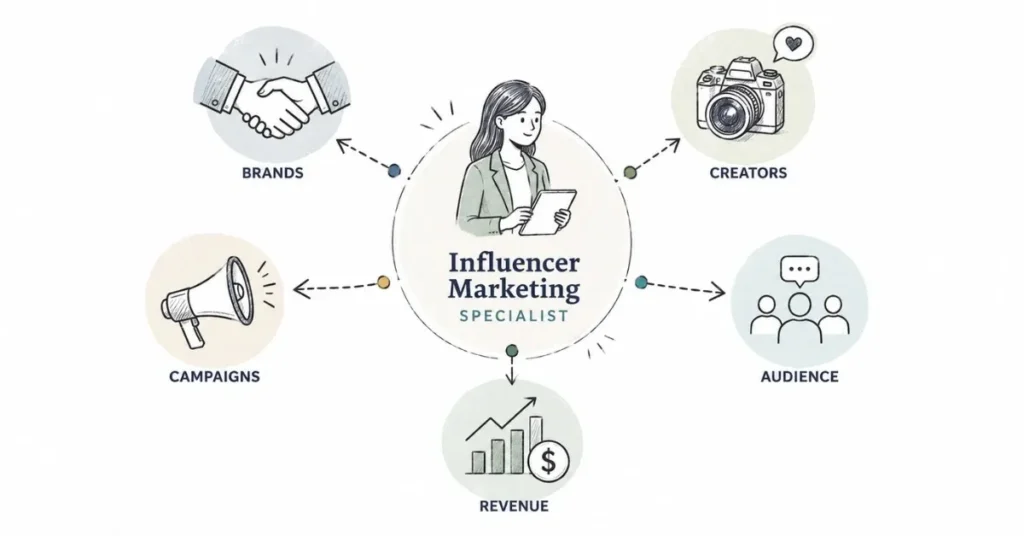
Table of Contents
Introduction: The Business Side of the Creator Economy
While content creators build audiences and personal brands, there’s an entire profession dedicated to connecting those creators with brands influencer marketing specialists who orchestrate partnerships that benefit both parties. If you’re fascinated by the creator economy but prefer working behind the scenes, understanding business strategy, and facilitating relationships rather than being in the spotlight yourself, influencer marketing might be your ideal career path.
Influencer marketing has exploded from a experimental tactic into a mainstream marketing channel. Indian brands now allocate substantial budgets often 20-40% of their total digital marketing spend specifically for influencer collaborations. This shift has created robust demand for professionals who understand both the creative side of content creation and the business side of marketing strategy, campaign management, and ROI measurement.
The influencer marketing job market in India has witnessed remarkable growth, with a 117% increase in related job postings, predominantly in Bengaluru (16%), Delhi-NCR (9%), and Mumbai (7.5%). Companies hiring range from digital marketing agencies managing campaigns for multiple clients, to brands building in-house influencer marketing teams, to specialized influencer marketing platforms and talent agencies. Salaries are competitive, ranging from ₹3-5 lakh annually for entry-level roles to ₹12-20 lakh for senior positions leading entire influencer programs.
This comprehensive guide explores the influencer marketing career path what these professionals actually do, skills that separate effective specialists from average ones, how to break into the field, and strategies for building successful campaigns that deliver measurable business results.
Understanding Influencer Marketing as a Profession
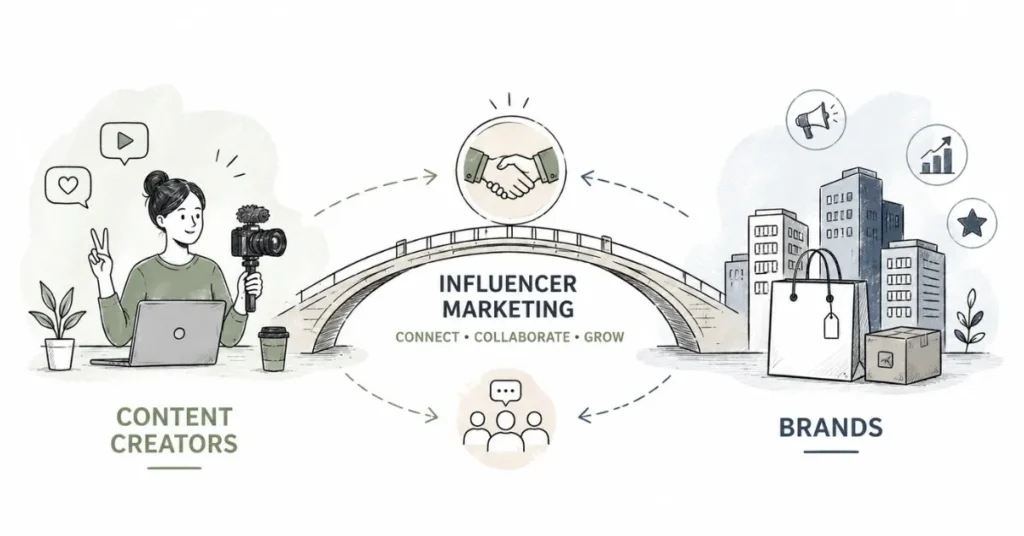
Influencer marketing specialists serve as the bridge between brands seeking to reach specific audiences and creators who have built those audiences. Your role involves strategic thinking about which creators align with brand values and campaign objectives, relationship building with both brand stakeholders and creator partners, project management coordinating complex campaigns involving multiple creators and deliverables, negotiation ensuring fair terms for all parties, and performance analysis measuring campaign effectiveness and optimizing future initiatives.
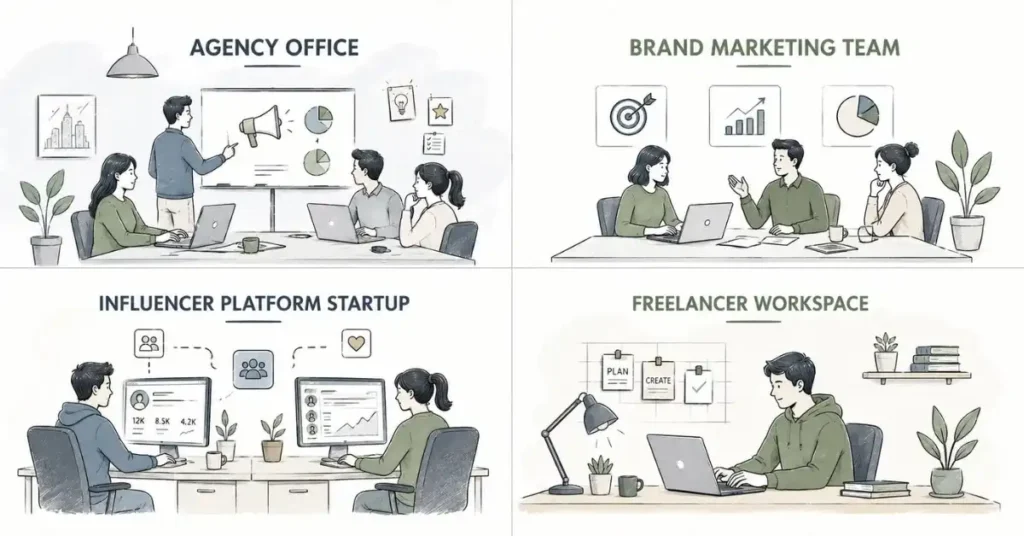
The profession exists across different organizational structures. In digital marketing agencies, you manage influencer campaigns for multiple client brands simultaneously, gaining diverse industry experience but juggling numerous relationships and deadlines. Agency influencer marketing executives typically earn ₹3-6 lakh annually, while managers earn ₹6-12 lakh depending on the agency’s scale and client roster.
In brand-side roles, you build and manage a company’s entire influencer marketing program, developing long-term creator relationships, establishing ambassador programs, and ensuring all influencer activity aligns with broader brand strategy. In-house roles often provide more strategic depth and higher compensation ₹5-10 lakh for mid-level managers and ₹12-20 lakh for heads of influencer marketing at established brands.
Influencer marketing platforms and talent agencies represent another career path. These companies either provide technology connecting brands with creators or manage creator careers directly. Roles here blend influencer marketing with business development, account management, or creator relations. Compensation varies widely based on company stage and your specific function.
Finally, independent consultants who’ve established expertise and networks can build thriving freelance practices, typically charging 15-25% commission on campaign budgets they manage or flat monthly retainers of ₹50,000-3 lakh depending on scope.
Core Responsibilities of Influencer Marketing Specialists
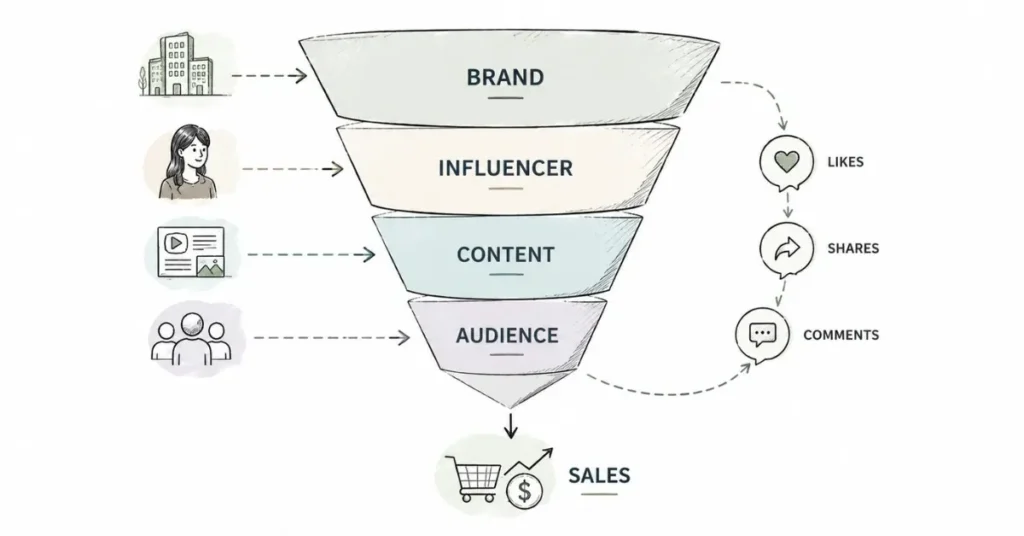
While specific duties vary by role and seniority, most influencer marketing professionals handle these key responsibilities:
Campaign Strategy and Planning:
Successful influencer campaigns begin with clear strategy aligned to business objectives. This involves understanding campaign goals (brand awareness, product launch, lead generation, sales conversion) and how influencer marketing contributes. You’ll define target audiences with specific demographics, psychographics, and content consumption behaviors. You’ll determine appropriate creator tiers (nano, micro, mid-tier, macro) based on budget and objectives. You’ll establish campaign messaging, key talking points, and creative guidelines while allowing creator authenticity. You’ll develop comprehensive campaign briefs outlining deliverables, timelines, dos and don’ts, and success metrics.
Strategic planning ensures campaigns have clear direction rather than simply “finding influencers to post about us.”
Creator Research and Identification:
Finding the right creators for each campaign requires systematic research and evaluation. You’ll use influencer discovery tools (AspireIQ, Upfluence, GRIN) to search by niche, audience demographics, and engagement rates. You’ll analyze creator content quality, aesthetic alignment with brand, and authentic fit versus purely transactional relationships. You’ll evaluate audience authenticity checking for fake followers or engagement pods. You’ll assess past brand partnerships understanding what types of collaborations the creator typically undertakes. You’ll build and maintain databases of creators across niches, tiers, and platforms for future campaigns.
Effective creator selection finding influencers whose audiences genuinely match your target market and whose values align with the brand determines 70% of campaign success.
Outreach and Negotiation:
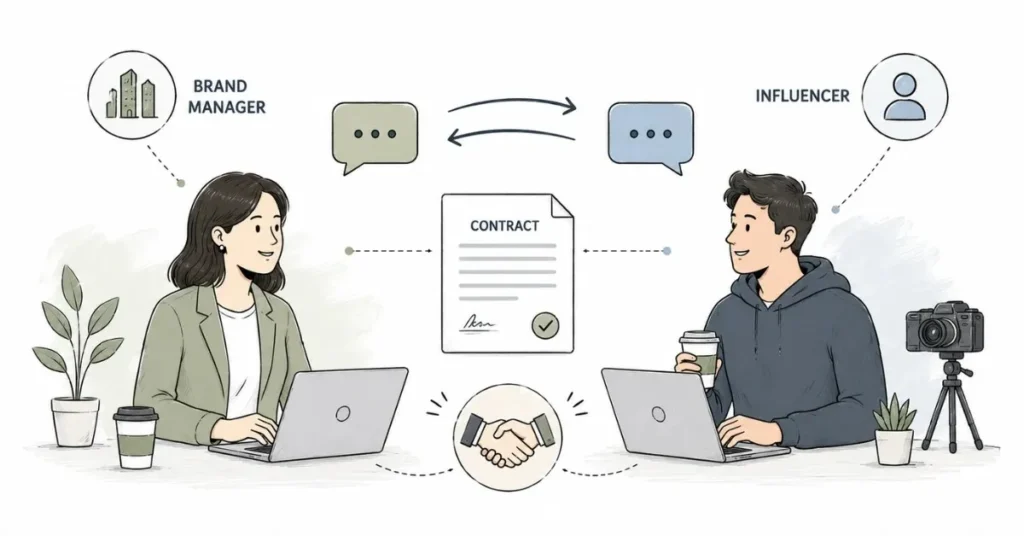
Once you’ve identified potential partners, you manage outreach and contract negotiations. This involves crafting personalized outreach messages that demonstrate genuine familiarity with the creator’s content. You’ll pitch collaboration opportunities highlighting mutual value, not just brand benefits. You’ll negotiate deliverables, timelines, and compensation fairly based on the creator’s reach, engagement, and effort required. You’ll manage contract processes ensuring legal protection for all parties regarding content rights, usage terms, exclusivity periods, and disclosure requirements. You’ll maintain professional relationships even when creators decline opportunities today’s “no” might become tomorrow’s “yes”.
Negotiation requires balancing brand budget constraints with fair creator compensation. Undervaluing creators damages relationships and brand reputation within creator communities.
Campaign Management and Coordination:
After securing creator partnerships, you coordinate execution ensuring campaigns launch smoothly. This involves onboarding creators with detailed briefs, brand guidelines, and creative assets. You’ll manage content approval processes reviewing creator drafts before publication. You’ll coordinate timing ensuring all creators post according to campaign schedules. You’ll troubleshoot issues like missed deadlines, content revisions, or unexpected challenges. You’ll maintain regular communication keeping creators informed and motivated. You’ll ensure proper FTC disclosure and compliance with advertising regulations.
Project management skills become critical when coordinating campaigns involving 10-50 creators simultaneously, each with different deliverables, timelines, and communication preferences.
Performance Tracking and Reporting:
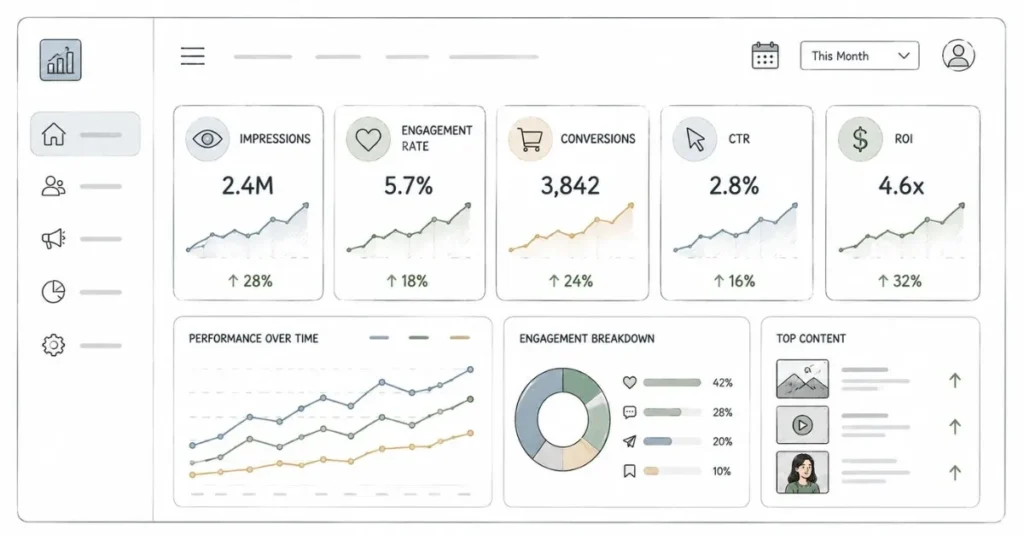
Measuring campaign effectiveness demonstrates ROI and informs future strategy. You’ll track quantitative metrics including reach and impressions generated, engagement rates (likes, comments, shares, saves), click-through rates to branded content or landing pages, conversions or sales attributed to specific creators, and cost per engagement or cost per acquisition. You’ll gather qualitative insights like sentiment analysis of audience comments, brand lift or awareness changes measured through surveys, and creator feedback about partnership experience. You’ll create comprehensive reports for stakeholders translating data into meaningful insights and recommendations.
Advanced influencer marketing specialists use UTM parameters, affiliate tracking links, and dedicated landing pages to precisely attribute business results to specific creators and campaigns.
Relationship Management:
Beyond individual campaigns, professional influencer marketers cultivate long-term relationships. This involves maintaining regular contact with high-performing creators between campaigns. You’ll develop ambassador programs transforming one-time collaborations into ongoing partnerships. You’ll facilitate connections between creators and relevant brand teams (product, events, content). You’ll provide feedback and appreciation recognizing creators who deliver exceptional work. You’ll handle relationship challenges diplomatically when issues arise.
Creators prefer working with brands and specialists who treat them as valued partners rather than transactional vendors. Strong relationships lead to better content, more authentic promotion, and preferential treatment when creators choose between competing brand opportunities.
Budget Management:
Most influencer marketing specialists manage campaign budgets ranging from lakhs to crores depending on company size. This requires allocating budgets across creator tiers optimizing for reach and engagement, tracking spending against budgets throughout campaigns, negotiating cost-effectively without undervaluing creators, forecasting budget needs for future campaigns based on performance data, and demonstrating ROI justifying continued investment in influencer marketing.
Financial acumen and the ability to prove influencer marketing’s business impact are essential for career advancement.
Essential Skills for Influencer Marketing Success
Thriving in influencer marketing requires a unique blend of creative understanding and business competency:
Relationship Building and Networking:
At its core, influencer marketing is a relationship business. Successful specialists genuinely enjoy connecting with people, building rapport quickly with both creators and brand stakeholders, maintaining professional relationships over time through consistent communication and mutual respect, networking actively within creator communities and marketing circles, and earning trust by being reliable, transparent, and fair in all dealings.
If you view creators as merely marketing tools rather than people building businesses, you’ll struggle in this field.
Creative Judgment and Brand Alignment:
You need strong creative intuition to evaluate whether a creator’s content style and audience genuinely align with brand positioning. This involves assessing content quality and production values, evaluating authenticity versus overly promotional creator content, understanding platform-specific best practices and trending formats, recognizing when creator ideas enhance campaigns versus undermine brand messaging, and balancing creative freedom that allows authentic creator voice with brand consistency requirements.
Brands rely on your judgment to identify creators who will represent them effectively.
Negotiation and Communication:
Influencer marketing involves constant negotiation campaign terms, deliverables, timelines, and compensation. You must communicate value propositions persuasively to creators considering partnerships, negotiate firmly but fairly protecting brand interests while respecting creator worth, handle difficult conversations like requesting content revisions or addressing missed deadlines, mediate between brand expectations and creator capabilities when misalignment occurs, and document agreements clearly preventing future misunderstandings.
Strong communicators build win-win partnerships where both brands and creators feel valued.
Data Analysis and ROI Measurement:
Increasingly, influencer marketing specialists must prove quantifiable business impact. This requires comfort working with analytics tools and campaign data, calculating key metrics like engagement rate, cost per engagement, and reach, comparing performance across creators, campaigns, and time periods, identifying patterns revealing what types of partnerships deliver best results, connecting influencer marketing activities to business outcomes like sales or leads, and presenting data insights clearly to non-technical stakeholders.
Many influencer marketing professionals come from creative backgrounds and lack analytical skills developing this competency immediately differentiates you.
Project Management and Organization:
Managing multiple campaigns simultaneously demands exceptional organizational skills. You’ll coordinate numerous stakeholders (brand teams, creators, agencies, legal), track deliverables and deadlines across many creators, manage approval workflows and revision cycles, maintain organized systems for contracts, briefs, and creative assets, anticipate potential issues and proactively address them, and adapt quickly when unexpected challenges arise.
Tools like Asana, Monday.com, or specialized influencer marketing platforms help manage complexity, but organizational discipline is fundamental.
Industry Knowledge and Trend Awareness:
The creator economy evolves rapidly with new platforms, formats, and best practices emerging constantly. Successful specialists stay informed about platform algorithm changes affecting creator reach, trending content formats and viral challenges, emerging creators gaining traction in relevant niches, influencer marketing regulations and disclosure requirements, industry benchmarks for pricing and performance, and competitive landscape understanding what other brands are doing.
Dedicate time weekly to consuming creator content, reading industry publications, and networking with other professionals to maintain current knowledge.
Contract and Legal Basics:
While you’re not a lawyer, understanding basic legal considerations protects all parties. This includes standard contract elements for influencer partnerships, content usage rights and licensing terms, exclusivity clauses and competitive restrictions, FTC disclosure requirements and compliance, intellectual property considerations, and when to escalate to legal counsel for complex situations.
Many campaign issues arise from poorly defined agreements clear contracts prevent most problems.
Breaking Into Influencer Marketing
If you’re interested in pursuing influencer marketing, here’s a strategic pathway from complete beginner to employed professional:
Step 1: Immerse Yourself in Creator Culture (Month 1-2):
You cannot succeed in influencer marketing without deeply understanding the creator ecosystem. Follow 50-100 creators across platforms, niches, and audience sizes. Study their content, engagement patterns, and brand partnerships. Join creator communities on Facebook, Discord, or Telegram observing discussions. Subscribe to creator economy newsletters like Passionfruit, The Tilt, or Creator Economy. Watch YouTube videos where creators discuss brand partnerships, both positive and negative experiences. Understand creator perspectives, challenges, and motivations.
This immersion builds empathy and insight that informs every aspect of your work.
Step 2: Start Your Own Content Creation (Month 2-4):
Even if you don’t aspire to be a full-time creator, building a modest following (500-2,000 followers) provides invaluable firsthand experience. Choose one platform and post consistently for 2-3 months. This teaches you how algorithms work, what content resonates, how much effort goes into “simple” posts, and what creators experience when brands approach them. This experience makes you a better influencer marketing specialist because you understand the creator perspective experientially, not just theoretically.
Many successful influencer marketing professionals started as micro-creators before transitioning to the business side.
Step 3: Learn Campaign Strategy and Measurement (Month 3-4):
Take courses specifically focused on influencer marketing strategy. Free options include HubSpot’s Influencer Marketing course and various YouTube series from industry experts. Paid courses on Coursera, Udemy, or LinkedIn Learning provide more comprehensive training. Focus particularly on campaign planning frameworks, creator evaluation methodologies, negotiation tactics, and performance measurement. Supplement with reading influencer marketing case studies understanding what made successful campaigns work.
Step 4: Build Your Creator Database (Month 4-6):
Create a comprehensive spreadsheet tracking Indian creators across niches. Include their platform, follower count, estimated engagement rate, content style, typical brand partnerships, and contact information. Aim for cataloging at least 200-300 creators across various categories (fashion, beauty, fitness, tech, finance, food, travel, etc.). This database demonstrates initiative and provides immediate value to potential employers you’re bringing organized knowledge they can leverage.
Many hiring managers are impressed when candidates present well-researched creator databases during interviews.
Step 5: Create Spec Campaigns (Month 5-6):
Develop 2-3 detailed influencer marketing campaign proposals for real brands (you won’t pitch them, but this demonstrates your strategic thinking). Choose brands you admire and create comprehensive plans including campaign objectives, target audience definition, creator selection rationale with specific creator recommendations, proposed content formats and messaging, budget allocation, timeline, and success metrics. Make these visually appealing using Canva or PowerPoint. Include these in your portfolio as examples of your strategic approach.
Spec work showcases your thinking process and strategic abilities far better than simply claiming you understand influencer marketing.
Step 6: Network and Apply Strategically (Month 6-9):
Connect with influencer marketing professionals on LinkedIn, introducing yourself genuinely and asking for informational interviews. Attend digital marketing events, webinars, or meetups where influencer marketing is discussed. Join influencer marketing Facebook groups or communities. When applying for roles, customize every application demonstrating knowledge of the company’s current influencer activities and specific ideas for improvement. Apply for entry-level roles like influencer marketing coordinator, executive, or assistant. Consider starting at digital marketing agencies where you’ll gain diverse experience quickly.
Alternative Path: Freelance Start:
If traditional employment is challenging to secure, consider starting as a freelance influencer marketing consultant. Offer services to small local businesses who want to explore influencer marketing but lack expertise. Charge modest rates initially (₹15,000-30,000 per campaign) focused on building case studies and testimonials. As you prove results, gradually increase rates and take on larger clients. Many successful influencer marketing professionals built their expertise and networks through freelancing before joining larger companies.
Salary Expectations and Career Progression
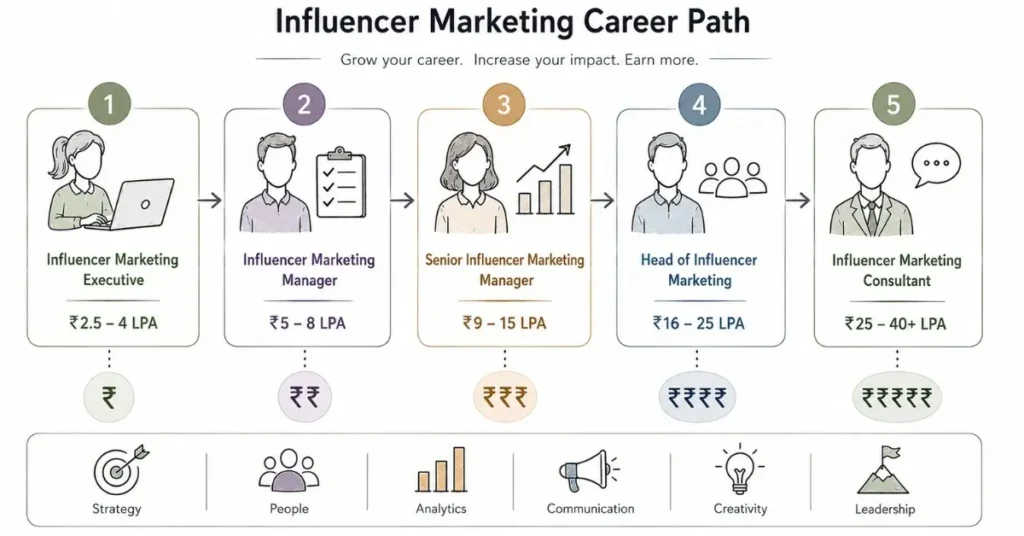
Understanding realistic compensation helps you negotiate effectively and plan your career trajectory:
Entry Level (0-2 years): Influencer Marketing Executive/Coordinator:
These roles support senior team members with creator research, outreach, campaign coordination, and reporting. You’re learning the fundamentals while executing tactical elements of campaigns. Salaries typically range from ₹2.5-5 lakh annually (approximately ₹20,000-40,000 monthly) depending on company size and location. Agency roles often pay at the lower end but provide diverse experience, while in-house brand positions offer slightly higher compensation and more focused learning.
Mid Level (2-5 years): Influencer Marketing Manager:
With proven experience managing successful campaigns, you operate with greater autonomy. You’re developing campaign strategies, managing creator relationships independently, handling negotiations, and owning campaign performance. Mid-level managers in India earn ₹5-10 lakh annually (approximately ₹40,000-85,000 monthly). Specialists who develop expertise in specific verticals (beauty, tech, finance) or platforms (YouTube, Instagram) often command premium compensation.
Senior Level (5-8 years): Senior Manager/Lead Influencer Marketing:
At this level, you’re architecting entire influencer programs, managing teams of coordinators and managers, overseeing multi-crore budgets, and presenting directly to C-suite executives. Senior roles command ₹10-16 lakh annually. Some specialists at premier brands or agencies earn ₹18-20 lakh, particularly those who consistently deliver measurable business results and have extensive creator networks.
Leadership Level (8+ years): Head of Influencer Marketing/VP:
After establishing strong track records, you can progress to leadership roles overseeing all influencer marketing activities for large brands or agency divisions. Compensation reaches ₹15-25 lakh annually or more depending on company scale. At this level, you’re making strategic decisions about channel allocation, building and managing teams, establishing industry partnerships, and contributing to company-wide marketing and business strategy.
Agency Owner/Consultant:
Experienced specialists often launch their own influencer marketing agencies or consulting practices. Successful agency owners managing campaigns for multiple clients can earn ₹5-15 lakh monthly, though this requires entrepreneurial skills, business development capabilities, and established networks beyond just influencer marketing expertise.
Building Successful Influencer Campaigns: Best Practices
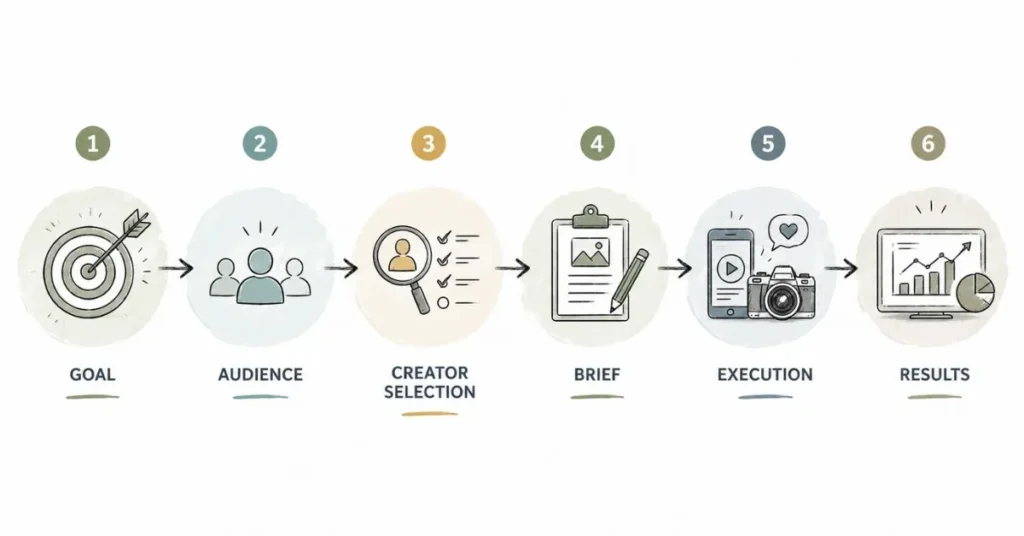
Professional influencer marketing specialists follow proven frameworks for campaign success:
Start With Clear Objectives:
Vague goals like “increase brand awareness” lead to vague results. Define specific, measurable objectives such as generate 100 qualified leads for our new product, achieve 5 million impressions among women aged 25-35 in metro cities, drive 10,000 website visits to our seasonal collection page, or improve brand sentiment score by 15 points through authentic storytelling. Clear objectives enable appropriate creator selection, content strategy, and performance measurement.
Prioritize Audience Alignment Over Follower Count:
A creator with 500,000 followers who reaches a broad, generic audience provides less value than a creator with 25,000 highly engaged followers who perfectly match your target customer profile. Evaluate creators based on audience demographics match with your target market, engagement quality (are comments meaningful conversations or just emoji spam?), audience authenticity (real followers versus bots), and content relevance to your product or service category.
Micro-influencers (10,000-50,000 followers) often deliver better ROI than macro-influencers because their audiences are more niche and engaged, and their rates are more affordable allowing you to work with multiple creators.
Allow Creative Freedom Within Guardrails:
Creators understand their audiences better than brands do. Overly prescriptive briefs that dictate every word and frame produce inauthentic content that audiences immediately recognize as forced advertisements. Instead, provide clear guardrails about key messages, brand values, and absolute don’ts, share product benefits and features letting creators determine how to communicate them, encourage creators to share genuine experiences and opinions, allow creators’ unique personalities and styles to shine through, and trust creators’ expertise about what content formats work for their audiences.
The best influencer content doesn’t feel like advertising it feels like authentic recommendations from trusted friends.
Establish Long-Term Partnerships:
One-off transactional posts rarely build meaningful brand affinity. Consider developing ongoing relationships with creators who genuinely love your brand through ambassador programs with quarterly or annual contracts, consistent product seeding keeping your brand top-of-mind, involvement in product development or brand initiatives, invitations to brand events or exclusive experiences, and fair compensation reflecting the value of sustained partnership.
Long-term creator partners become genuine brand advocates who promote you authentically beyond contractual obligations.
Ensure Proper Disclosure and Compliance:
Regulatory requirements mandate clear disclosure of paid partnerships. Ensure all sponsored content includes prominent disclosure using #ad, #sponsored, or platform-specific tools like Instagram’s “Paid Partnership” tag. Educate creators about disclosure requirements and why compliance matters. Monitor published content verifying proper disclosure. Maintain records demonstrating compliance for potential regulatory audits.
Failure to disclose paid partnerships damages both brand and creator reputations while potentially triggering legal consequences.
Measure Holistically:
While vanity metrics like likes and impressions matter, focus on metrics tied to business objectives. Track engagement quality (meaningful comments, saves, shares), click-through rates to your website or landing pages, conversion rates and actual sales attributed to creators, brand lift measured through pre/post campaign surveys, creator-generated content you can repurpose across other channels, and long-term impacts like follower growth, organic mentions, or search volume increases.
Use trackable links, UTM parameters, or unique discount codes for each creator enabling precise attribution of business results.
Learn and Optimize:
Every campaign provides learning opportunities. Conduct post-campaign analysis reviewing what worked and what didn’t. Compare creator performance identifying patterns (do certain creator types deliver better results?). Gather creator feedback understanding their campaign experience. Survey audience responses measuring sentiment and recall. Apply learnings to optimize future campaigns iteratively improving your approach.
The best influencer marketers treat every campaign as an experiment yielding insights that compound over time.
Common Challenges in Influencer Marketing
Every influencer marketing professional encounters these obstacles. Here’s how to navigate them:
Fake Followers and Engagement:
Many creators artificially inflate their metrics through purchased followers or engagement pods. Protect your clients by using tools like HypeAuditor or Social Blade to check audience authenticity, analyzing engagement patterns (sudden follower spikes are red flags), reviewing comment quality (generic or repetitive comments suggest bots), comparing engagement rates to industry benchmarks for similar accounts, and requesting detailed audience demographics before committing.
When in doubt, start with smaller test campaigns before committing large budgets.
Misaligned Expectations:
Creators and brands often have different expectations causing friction. Prevent this through detailed briefs clearly outlining deliverables, timelines, usage rights, and compensation, explicit contracts leaving no room for interpretation, clear communication throughout the campaign addressing questions promptly, reasonable revision policies (typically 1-2 rounds of feedback, not unlimited), and mutual respect understanding both parties’ constraints and priorities.
Most campaign conflicts arise from poor communication or unclear expectations, both preventable.
Measuring ROI:
Proving influencer marketing’s business impact remains challenging, especially for upper-funnel awareness campaigns. Address this by establishing clear KPIs before campaigns launch, using trackable attribution methods whenever possible, supplementing quantitative data with qualitative insights, educating stakeholders on reasonable expectations (influencer marketing rarely delivers immediate sales spikes but builds long-term brand equity), and comparing influencer campaign performance against other marketing channels providing context.
Creator Reliability:
Occasionally creators miss deadlines, deliver subpar content, or even ghost after receiving payment. Mitigate risks through milestone-based payment schedules (deposit, upon draft, after publication), clear contracts specifying consequences for non-delivery, backup creator plans for critical campaigns, professional communication maintaining regular check-ins, and maintaining relationships primarily with reliable creators you’ve successfully worked with previously.
Build a roster of dependable creators you trust for important campaigns while continuing to test new talent for future opportunities.
Budget Constraints:
Brands often want extensive influencer campaigns with limited budgets. Navigate this by educating stakeholders on realistic creator costs and typical campaign budgets, proposing micro-influencer strategies maximizing reach within budget constraints, suggesting phased approaches starting with smaller tests before scaling, demonstrating ROI from previous campaigns justifying increased investment, and being transparent when proposed budgets cannot achieve stated objectives.
Better to manage expectations honestly than over-promise and under-deliver.
The Future of Influencer Marketing in India
Understanding emerging trends positions you for long-term career success:
Regional Language Creators Rising: While English-speaking creators dominated initially, massive growth is happening in Hindi, Tamil, Telugu, Bengali, and other regional language content. Brands targeting mass markets increasingly allocate budgets to regional creators who reach audiences previously underserved. Specialists who understand regional creator ecosystems and can facilitate partnerships across languages will be highly valuable.
Performance-Based Compensation Models: Traditional flat-fee arrangements are evolving toward hybrid models combining base fees with performance bonuses tied to sales, leads, or engagement. Affiliate marketing integration allows creators to earn ongoing commissions. These models align incentives better but require sophisticated tracking and attribution systems.
Long-Form Content and Authenticity: As audiences become more sophisticated, they increasingly value authentic, in-depth content over quick promotional posts. YouTube videos providing detailed reviews, Instagram Reels showing genuine product experiences, and LinkedIn posts sharing thoughtful perspectives perform better than obvious advertisements. Campaigns allowing creators to tell authentic stories deliver superior results.
Virtual Influencers and AI: Computer-generated influencers are emerging globally, though adoption in India remains limited. As AI tools advance, expect experimentation with virtual brand ambassadors offering perfect control but lacking genuine human connection. The role of human authenticity will likely become even more valuable as artificial alternatives proliferate.
Micro and Nano-Influencer Focus: Brands increasingly recognize that smaller creators with highly engaged niche audiences often deliver better ROI than expensive macro-influencers. Campaigns featuring 20-50 micro-influencers generate broader reach, authentic variety, and stronger trust than single celebrity endorsements.
Integration With E-Commerce: Social commerce features allowing direct purchases from creator content are rapidly developing. Instagram Shopping, YouTube Shopping, and live-stream commerce blur lines between content and transactions. Influencer marketers who understand conversion optimization alongside awareness building will thrive.
Conclusion: Building Your Influencer Marketing Career
Influencer marketing sits at the exciting intersection of creativity, business strategy, relationship building, and data analysis. It’s perfect for professionals who appreciate the creator economy but prefer orchestrating campaigns behind the scenes rather than being in the spotlight. The field offers strong growth potential as brands continue shifting budgets from traditional advertising toward creator partnerships.
Success requires balancing art and science the creative judgment to identify authentic brand-creator fits alongside the analytical rigor to prove business impact. It demands empathy and relationship skills to work effectively with creators while maintaining business acumen to protect brand interests. And it requires continuous learning as platforms, formats, and best practices evolve.
The barriers to entry are reasonable you don’t need specific degrees or industry connections to start, just genuine interest in the creator economy, willingness to immerse yourself in creator culture, strategic thinking about campaign development, and ability to demonstrate your approach through portfolios and databases. Start today by deepening your knowledge of creators, building your campaign strategy skills, and networking with industry professionals. Your influencer marketing career awaits and India’s growing creator economy needs skilled specialists to facilitate partnerships that benefit brands, creators, and audiences alike.