
Customer Success Salary Guide 2026: Pay Ranges by Role and Location
Table of Contents
Introduction
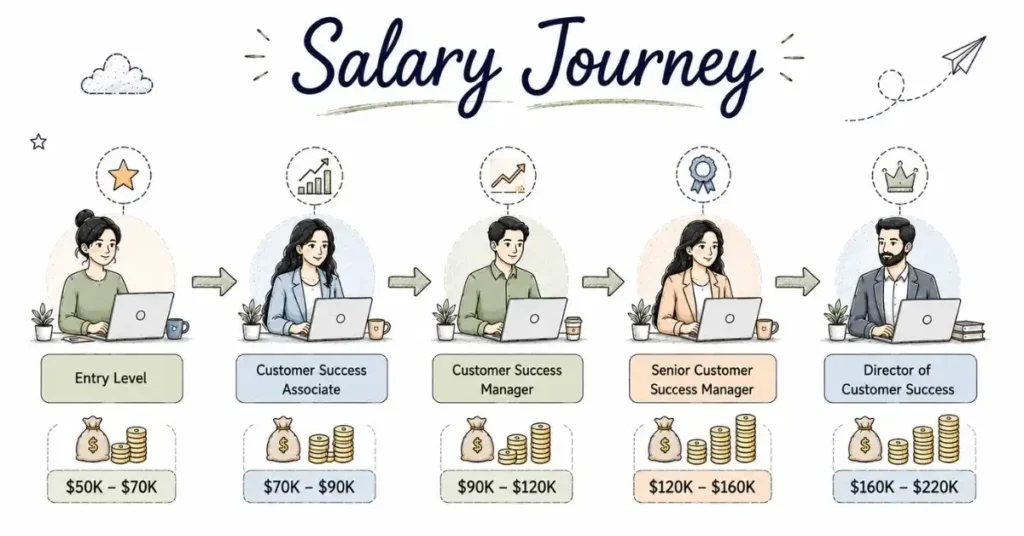
“How much do Customer Success Managers actually earn in India?”
This is the question I get most frequently, and for good reason. When you’re considering a career change or entering the field fresh, understanding earning potential isn’t just curiosity it’s practical planning for your life.
Last month, I spoke with two Customer Success Managers working in Bangalore. Both had similar titles. Both had about 3 years of experience. One earned ₹9 lakhs annually. The other earned ₹18 lakhs.
What created this dramatic difference? Company size, industry, negotiation skills, specific responsibilities, and performance-based compensation structures all played roles.
Customer Success compensation in India varies significantly based on multiple factors, making it challenging to find accurate, current information. Salary aggregator websites often show outdated data or mix incomparable roles together. Meanwhile, companies guard compensation data carefully, leaving candidates negotiating in the dark.
This comprehensive guide provides realistic, research-backed Customer Success salary data for 2026 across experience levels, company types, and Indian cities. More importantly, I’ll explain the factors driving these ranges and teach you how to negotiate effectively for maximum compensation.
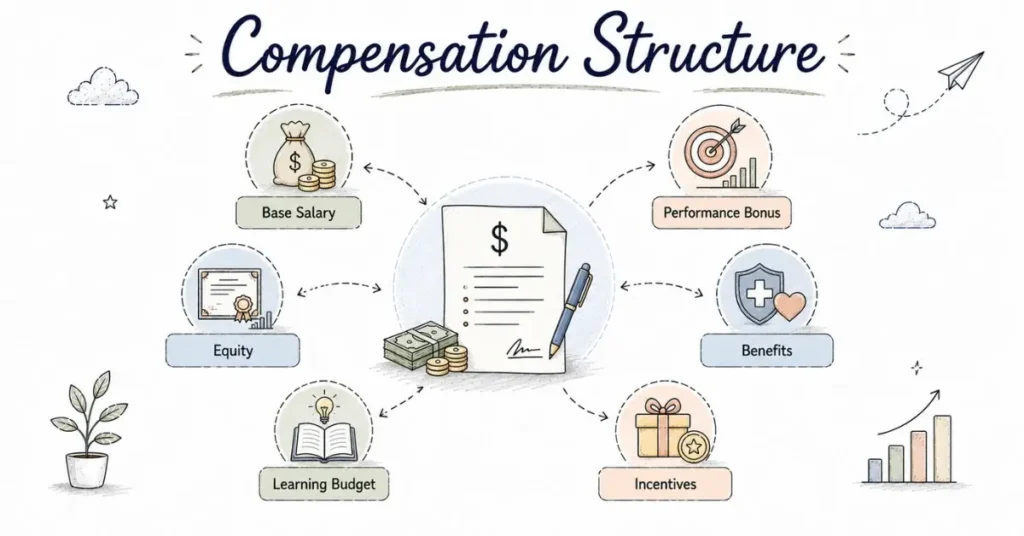
Understanding Customer Success Compensation Structure
Before diving into specific numbers, understand how CS compensation typically works.
Base Salary:
Your guaranteed annual compensation, paid monthly. This is the number most people focus on, but it’s only part of the picture.
Variable Compensation / Performance Bonus:
Additional compensation tied to achieving specific targets (retention rate, renewal numbers, expansion revenue, NPS scores). Typically 10-20% of base salary for mid-level roles, potentially 30-40% for senior roles.
Example:
Base salary: ₹12 lakhs
Variable: 15% (₹1.8 lakhs)
Total potential: ₹13.8 lakhs
Stock Options / Equity (Startups):
Ownership stake in the company, typically vesting over 4 years. Value depends entirely on company success. Can be worthless or life-changing.
Benefits:
- Health insurance (for employee and family)
- Accident/life insurance
- Professional development budgets
- Work-from-home allowances
- Phone/internet reimbursements
- Wellness benefits
- Flexible spending accounts
When comparing offers, evaluate total compensation, not just base salary.
Entry-Level Roles: Starting Your CS Career
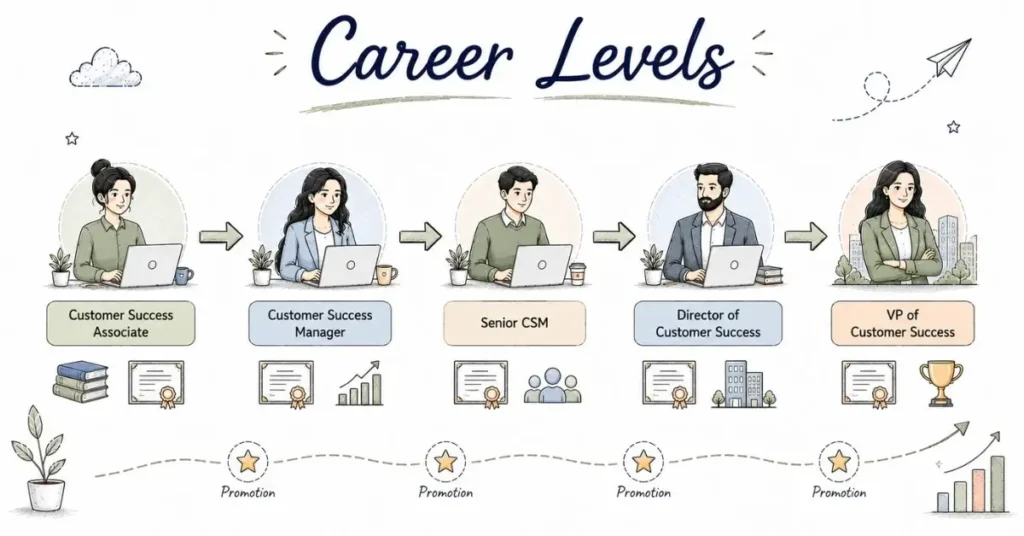
Customer Success Associate / Support Specialist / Junior CSM
Experience: 0-2 years
Typical Responsibilities: Managing small accounts, assisting senior CSMs, handling onboarding, responding to queries, basic reporting
Salary Ranges by Location:
Bangalore / Pune / Hyderabad:
- 25th percentile: ₹3.5 lakhs
- Median: ₹4.5-5 lakhs
- 75th percentile: ₹6 lakhs
- Top tier (unicorns, funded startups): ₹6.5-7.5 lakhs
Mumbai / Delhi NCR:
- Median: ₹5-6 lakhs
- Slightly higher due to cost of living
Chennai / Ahmedabad / Kochi:
- Median: ₹3.5-4.5 lakhs
- Lower cost of living reflected in compensation
Remote (Tier 2/3 cities):
- Median: ₹4-5 lakhs
- Increasing as remote work normalizes
Salary Factors:
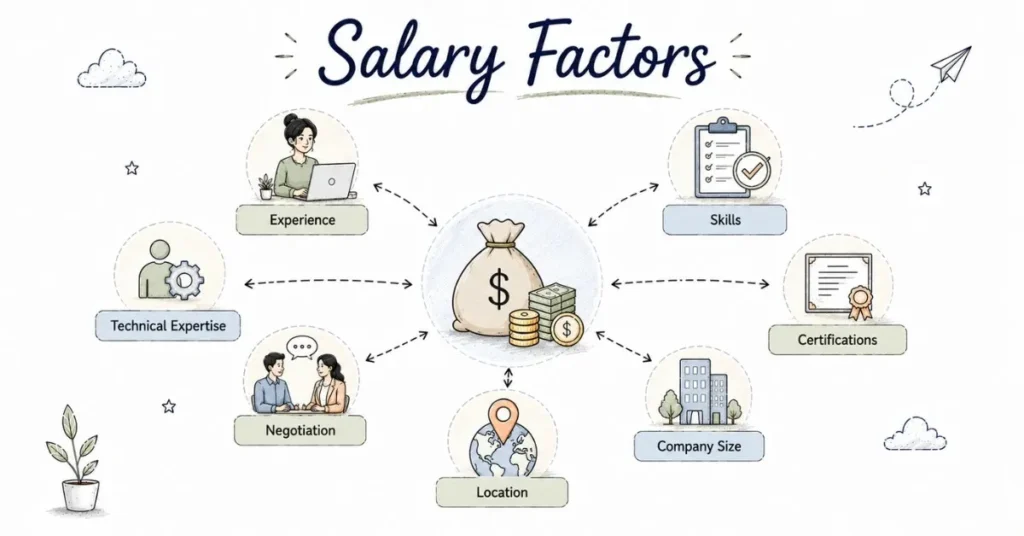
Educational Background:
- Engineering graduates: Upper range
- Commerce/Arts graduates: Lower-middle range
- MBA graduates: ₹1-2 lakhs premium over bachelor’s only
Company Type:
- Well-funded startups (Series B+): ₹5-6.5 lakhs
- Early-stage startups: ₹3.5-4.5 lakhs
- Established product companies: ₹5-7 lakhs
- Service companies with CS practice: ₹3-4 lakhs
Previous Experience:
- Fresh graduates: Lower end of range
- 1-2 years in customer-facing roles (support, sales): Middle-upper range
- Relevant internships: Slight edge
Variable Compensation:
Usually 5-10% of base at this level, often tied to team performance rather than individual metrics.
Real Examples:
Aditya – Fresh Graduate, Bangalore Startup:
- Base: ₹4.8 lakhs
- Performance bonus: ₹40,000 (if targets met)
- Health insurance: Family coverage
- Total: ₹5.2 lakhs
- No equity (joined post-Series C)
Priya – 1.5 Years Support Experience, Hyderabad SaaS Company:
- Base: ₹5.5 lakhs
- Quarterly bonus: ₹60,000 potential annually
- Health insurance + learning budget (₹15,000)
- Total: ₹6.1 lakhs
- Equity: 1,000 stock options (worth ₹50,000-500,000 depending on exit)
Mid-Level Roles: Established CS Professionals
Customer Success Manager
Experience: 2-5 years
Typical Responsibilities: Managing 15-30 accounts independently, driving renewals, identifying expansion opportunities, conducting QBRs, representing customer voice internally
Salary Ranges by Location:
Bangalore / Pune / Hyderabad:
- 25th percentile: ₹8 lakhs
- Median: ₹11-12 lakhs
- 75th percentile: ₹15 lakhs
- Top performers at top companies: ₹16-18 lakhs
Mumbai / Delhi NCR:
- Median: ₹12-14 lakhs
- High cost of living premium
Remote Roles:
- Median: ₹10-13 lakhs
- Remote compensation increasingly matching metro rates
Salary Factors:
Years of CS Experience:
- 2 years: ₹8-10 lakhs
- 3-4 years: ₹10-14 lakhs
- 4-5 years: ₹13-16 lakhs
Clear progression with experience
Account Complexity:
- SMB accounts: Lower range
- Mid-market accounts: Middle rang
- Enterprise accounts: Upper range
Managing larger, more complex accounts commands premium
Performance Track Record:
- Average retention (85-90%): Base salary
- Excellent retention (95%+) + expansion: 15-25% above base
Your numbers directly impact compensation
Company Valuation/Funding:
- Early-stage (Seed-Series A): ₹8-11 lakhs (higher equity, lower cash)
- Growth stage (Series B-C): ₹11-14 lakhs (balanced)
- Late stage/Unicorn: ₹14-18 lakhs (higher cash, less equity impact)
- Public companies: ₹12-16 lakhs (stability, predictable compensation)
Industry:
- B2B SaaS (high margin): Upper range
- B2C subscription: Middle range
- Services/consulting: Lower range
- Fintech: 10-15% premium
- Enterprise software: Upper range
Variable Compensation:
Typically 15-25% of base salary, tied to:
- Retention rate (most common)
- Net Revenue Retention (NRR)
- Expansion/upsell revenue
- Customer satisfaction (NPS/CSAT)
Example: ₹12 lakh base with 20% variable (₹2.4 lakhs) = ₹14.4 lakhs total if targets achieved. Top performers sometimes exceed 100% of variable (₹15+ lakhs total)
Real Examples:
Rajesh – 3 Years, Pune SaaS Unicorn:
- Base: ₹14 lakhs
- Variable: 20% (₹2.8 lakhs at target, he achieved 120% = ₹3.36 lakhs)
- Total cash: ₹17.36 lakhs
- Equity: Stock options worth approximately ₹3 lakhs at current valuation
- Benefits: Full family health insurance, ₹20,000 learning budget, WFH setup
- Total package value: ₹20+ lakhs
Meera – 4 Years, Bangalore Mid-Market Company:
- Base: ₹11.5 lakhs
- Quarterly bonus: ₹1.5 lakhs annually (varies)
- Total: ₹13 lakhs
- Minimal equity (late to join)
- Benefits: Standard insurance
Vikram – 2.5 Years, Remote Role with Delhi Company:
- Base: ₹10 lakhs
- Variable: 15% (₹1.5 lakhs)
- Lives in Jaipur (cost of living ~60% of metro)
- Effective purchasing power equivalent to ₹15+ lakhs in Bangalore
Senior-Level Roles: Leadership and Specialized Expertise
Senior Customer Success Manager / Team Lead
Experience: 5-8 years
Typical Responsibilities: Managing strategic enterprise accounts OR leading 3-6 CSMs, creating processes, handling escalations, contributing to strategy
Salary Ranges:
Metro Cities (Bangalore/Mumbai/Pune):
- 25th percentile: ₹18 lakhs
- Median: ₹22-24 lakhs
- 75th percentile: ₹28 lakhs
- Top tier: ₹30-35 lakhs
Remote Roles:
- Median: ₹20-26 lakhs
- Geography matters less at senior levels
Salary Factors:
Career Path:
- Individual Contributor (Strategic Accounts): Managing few large enterprise accounts worth ₹50 lakhs+ each
- Compensation: ₹22-32 lakhs
- Higher variable tied to specific account retention/expansion
- Compensation: ₹22-32 lakhs
- People Manager (Team Lead): Managing team of CSMs
- Compensation: ₹20-28 lakhs
- Variable tied to team performance metrics
- Compensation: ₹20-28 lakhs
Specialization Premium:
- Technical CSM (requires technical depth): +15-20%
- Strategic CSM (C-level relationships): +10-15%
- CS Operations (process/data focus): Market rate to +10%
Company Size:
- Small companies (50-200 employees): ₹18-24 lakhs
- Mid-size (200-1000): ₹22-28 lakhs
- Large/Enterprise (1000+): ₹25-35 lakhs
Larger organizations pay premium for experience
Variable Compensation:
20-30% of base, sometimes higher for strategic roles. Total compensation can reach ₹35-40 lakhs with maximum variable achievement.
Real Examples:
Anjali – 6 Years, Bangalore Enterprise SaaS:
- Base: ₹24 lakhs
- Variable: 25% (₹6 lakhs target, achieved 110% = ₹6.6 lakhs)
- Total: ₹30.6 lakhs
- Manages 5 enterprise accounts worth ₹2+ crores combined ARR
- Equity refreshers: ₹4-5 lakhs annual value
- Total compensation: ₹35+ lakhs
Karthik – 7 Years, Mumbai Fintech (Team Lead):
- Base: ₹26 lakhs
- Team performance bonus: ₹4-5 lakhs annually
- Total: ₹30-31 lakhs
- Leads team of 5 CSMs
- Standard benefits
- Total: ₹32-33 lakhs
Management & Leadership Roles
Director of Customer Success
These roles support senior team members with creator research, outreach
Experience: 8-12 years
Typical Responsibilities: Leading entire CS function (10-30 people), setting strategy, owning retention/expansion metrics, collaborating with executive team
Salary Ranges:
All Locations (Role Primarily in Metros or Remote):
- 25th percentile: ₹30 lakhs
- Median: ₹38-42 lakhs
- 75th percentile: ₹50 lakhs
- Top tier (Unicorns/Large Companies): ₹55-65 lakhs
campaign coordination, and reporting. You’re learning the fundamentals while executing tactical elements of campaigns. Salaries typically range from ₹2.5-5 lakh annually (approximately ₹20,000-40,000 monthly) depending on company size and location. Agency roles often pay at the lower end but provide diverse experience, while in-house brand positions offer slightly higher compensation and more focused learning.
Salary Factors:
Scope of Responsibility:
- Team size (10-15 people vs 30+ people)
- Revenue responsibility (₹10 crores vs ₹50+ crores)
- Geographic span (India only vs global)
- P&L ownership (budget authority)
Company Stage:
- Series B-C: ₹30-40 lakhs + significant equity
- Late stage/Unicorn: ₹40-55 lakhs + moderate equity
- Public company: ₹45-65 lakhs + stock grants
- Enterprise: ₹40-60 lakhs + bonuses
Track Record:
Proven ability to scale CS from 5 to 50 people, build processes, drive metrics commands 30-40% premium over average.
Variable Compensation:
30-40% of base, tied to:
- Overall retention rate
- Net Revenue Retention
- Expansion revenue
- Customer satisfaction metrics
- Team development goals
Total compensation regularly exceeds ₹60-70 lakhs for high performers.
Real Example:
Suresh – 10 Years, Hyderabad SaaS Unicorn:
- Base: ₹45 lakhs
- Variable: 35% (₹15.75 lakhs at target)
- Achieved 120%: ₹18.9 lakhs variable
- Total cash: ₹63.9 lakhs
- Annual equity grants: ₹8-10 lakhs value
- Total compensation: ₹72-75 lakhs
- Manages 25-person CS team, responsible for ₹40+ crore ARR retention
VP of Customer Success / Chief Customer Officer
Experience: 12+ years
Typical Responsibilities: Executive leadership, building CS organization, owning customer revenue (₹50-500+ crores), strategic company influence
Salary Ranges:
All Locations:
- Lower Range: ₹50-60 lakhs
- Mid Range: ₹70-85 lakhs
- Upper Range: ₹1-1.5 crores+
- Wide range based on company size and success
Compensation Components:
Base Salary: ₹45-80 lakhs depending on company
Variable/Bonus: 40-60% of base (₹20-50 lakhs)
Equity:
- Early-stage companies: 0.5-2% equity (potentially worth crores at exit)
- Public companies: Annual stock grants worth ₹15-40 lakhs
- Refresher grants based on performance
Benefits:
- Executive benefits packages
- Car allowance or leasing
- Club memberships
- Comprehensive family insurance
- Significant learning/development budgets
Total Compensation: ₹75 lakhs – ₹1.5+ crores depending on company size, stage, and individual negotiation.
Real Range Examples:
Mid-Size Company (Series C, 200 employees):
VP CS compensation: ₹65-75 lakhs total
Large Company (1000+ employees, profitable):
VP CS compensation: ₹90 lakhs – ₹1.2 crores total
Unicorn (Pre-IPO, 500+ employees):
CCO compensation: ₹1-1.5 crores total (including equity value)
Factors Affecting Your Salary (Within Same Role)
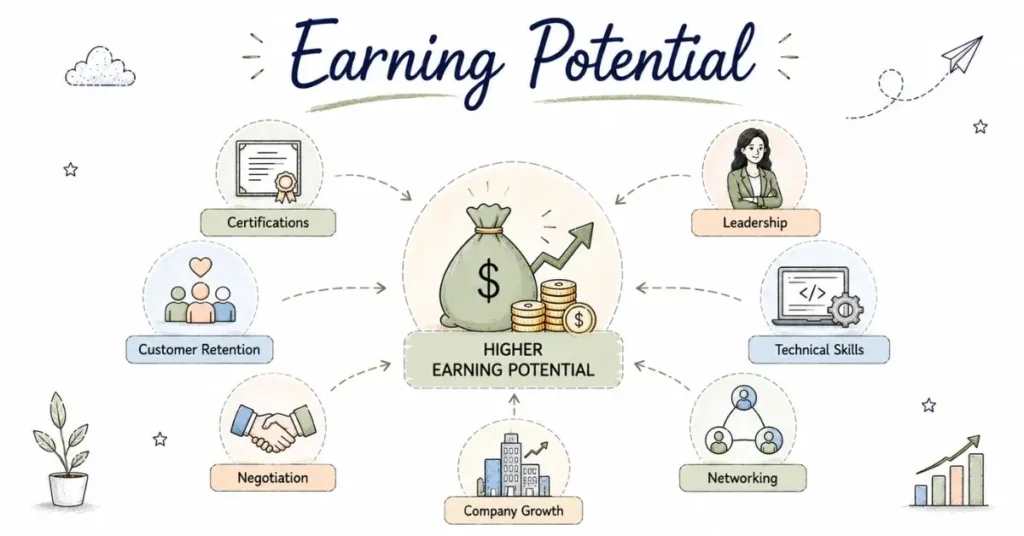
Understanding these factors helps you target roles and negotiate effectively:
- Company Funding & Valuation:
Well-funded companies pay 20-30% more than bootstrapped companies for same role. - Revenue Model Complexity:
B2B enterprise SaaS pays more than B2C subscription models due to deal complexity. - Customer Segment:
Managing enterprise accounts pays 15-25% more than managing SMB accounts. - Your Metrics:
Demonstrated retention rates >95%, NRR >110%, strong NPS can justify 15-20% salary premium. - Certifications:
Relevant certifications (CCSM, Salesforce Admin) can add ₹1-2 lakhs at mid-career levels. - Technical Depth:
Technical CSMs serving developer audiences earn 15-20% more than standard CSMs. - Negotiation Skills:
Candidates who negotiate professionally typically secure 10-15% higher offers than those who accept first offer. - Job Market Conditions:
High demand for CS professionals in 2026 gives candidates leverage. Multiple offers = significant negotiating power.
Salary Negotiation Strategies for CS Roles
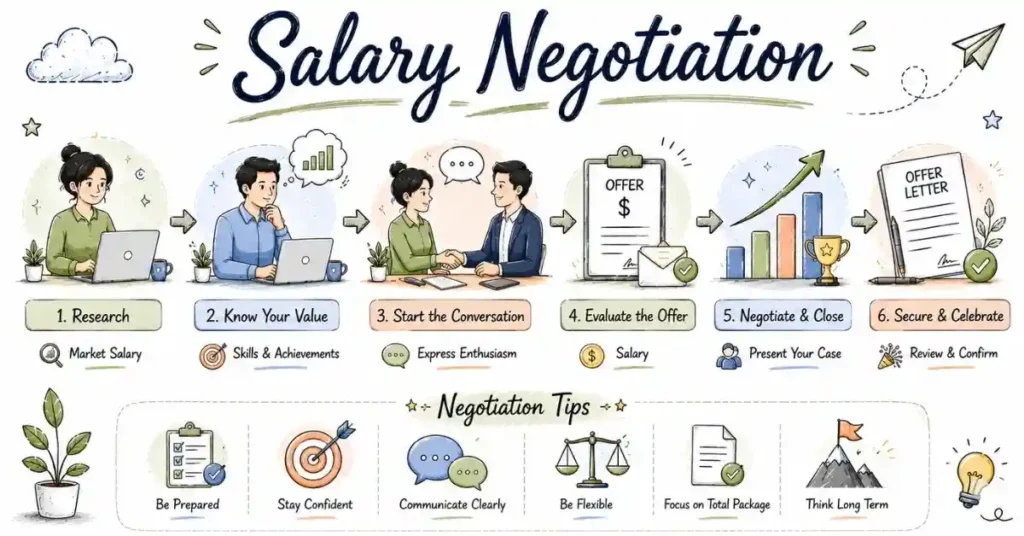
Before Applying:
Research Market Rates:
- Use sites like levels.fyi, Glassdoor, AmbitionBox for India-specific data
- Join CS communities on Slack/LinkedIn, ask about compensation anonymously
- Talk to recruiters (they know market rates)
Know your worth before discussions begin.
Know Your Numbers:
Calculate your current compensation including all components. Know your target (realistic goal) and minimum acceptable number.
During Interview Process:
Delay Salary Discussion:
Don’t reveal current or expected salary early. Say: “I’d like to learn more about the role and expectations first. I’m confident we can find mutually agreeable compensation.”
Let Them Anchor:
Try to get them to state the range first. “What’s the budgeted range for this role?”
When Asked for Current Salary:
Some companies ask illegally. You can decline: “I’d prefer to discuss this role’s compensation based on its market value and the impact I can bring.” Or share total compensation (base + variable + benefits), which is higher than base alone.
After Receiving Offer:
Never Accept Immediately:
Even if it’s great, say: “Thank you! I’m excited. Can I have 48 hours to review the complete offer?” This shows thoughtfulness, not desperation.
Negotiate Multiple Components:
If base salary is fixed, negotiate:
- Joining bonus
- Higher variable percentage
- Additional equity
- Professional development budget
- Work-from-home setup allowance
- Performance review timing (6 months instead of 12)
Use Competing Offers:
If you have multiple offers, use them: “I have another offer at ₹X, but I’m more excited about this role. Can we discuss matching that compensation?” This works companies compete for good talent.
Negotiate Based on Value:
“Based on my track record of maintaining 96% retention rates and driving ₹X in expansion revenue at my current role, I believe ₹Y compensation reflects the value I’ll bring here.” Data-based negotiation is powerful.
Be Willing to Walk Away:
If the offer doesn’t meet your minimum, politely decline. Sometimes they’ll return with improved offer. Even if not, you avoided undervaluing yourself.
Example Negotiation:
Initial Offer: ₹12 lakhs base, 15% variable, standard benefits
Your Response: “I’m very excited about this opportunity. Based on market research and my track record, I was expecting compensation in the ₹14-15 lakh range. Additionally, I’d like to discuss the variable structure and equity component. Can we explore options?”
Possible Outcomes:
- Base increases to ₹13.5 lakhs
- Variable increases to 20%
- Small equity grant added
- ₹50,000 joining bonus
- Total improvement: ₹2-2.5 lakhs in first-year value
Career Stage Compensation Trajectory (Real Example)
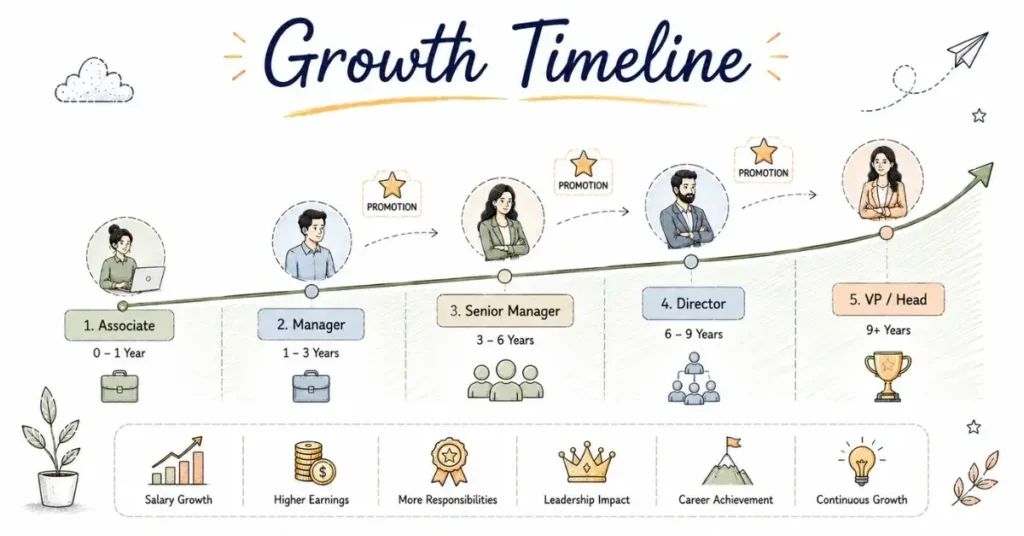
Let’s follow a realistic CS career progression:
Year 0-2 (Customer Success Associate):
₹4.5 lakhs → ₹5.5 lakhs (with annual increments)
Year 2-3 (Promoted to CSM):
₹8 lakhs (promotion jump)
Year 3-5 (CSM with growing expertise):
₹8 lakhs → ₹11 lakhs → ₹13 lakhs (annual increments + job change)
Year 5-7 (Job change to Senior CSM):
₹18 lakhs (significant jump with company change and proven track record)
Year 7-9 (Senior CSM → Team Lead):
₹22 lakhs → ₹26 lakhs
Year 9-11 (Job change to Director role):
₹38 lakhs
Year 11-15 (Director → VP):
₹55 lakhs → ₹75 lakhs+
Total growth: ₹4.5 lakhs to ₹75+ lakhs over 15 years = 16x increase
Key Factors:
- Strategic job changes every 2-3 years (staying too long limits growth)
- Continuous skill development
- Building strong track record
- Negotiating effectively
- Moving into leadership
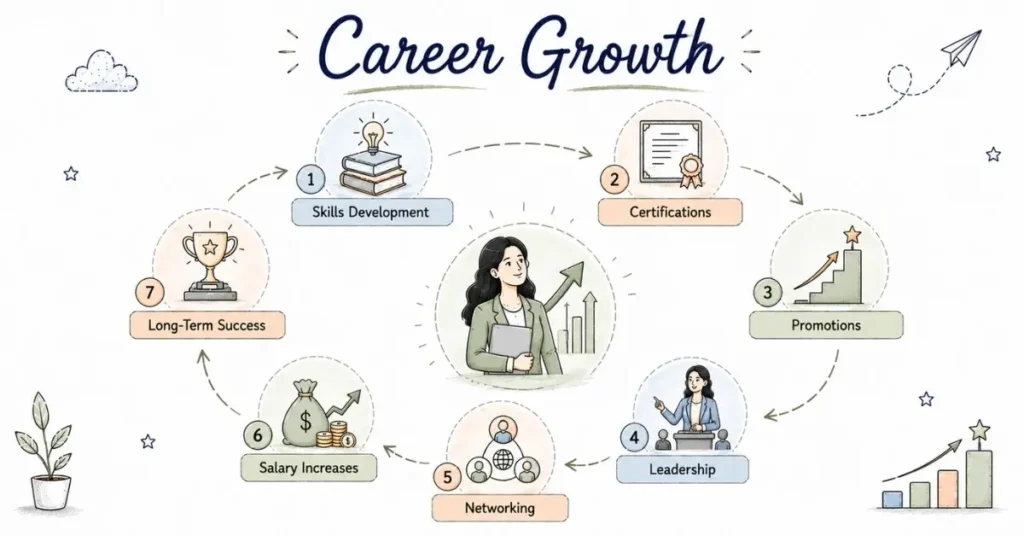
Conclusion: Maximizing Your CS Earning Potential
Customer Success offers solid, growing compensation in India’s tech sector. Starting salaries of ₹4-6 lakhs for freshers are respectable, and reaching ₹15-20 lakhs within 5-6 years is realistic with good performance.
The path to higher compensation:
- Deliver Results: Track and showcase your metrics (retention rates, expansion revenue, NPS)
- Develop High-Value Skills: Technical depth, strategic thinking, leadership capabilities
- Change Jobs Strategically: 2-3 year intervals typically yield 30-50% salary jumps
- Negotiate Professionally: Every job offer, every promotion always negotiate
- Target Growth Companies: Well-funded, growing companies pay premiums
- Build Reputation: Become known in CS community through content, speaking, networking
Money isn’t everything, but understanding compensation dynamics helps you make informed career decisions and secure fair value for your contributions.
The CS field is growing. The demand is strong. The compensation is competitive. Now it’s about positioning yourself for maximum success.