
The Complete Verbal & Written Communication Skills Guide

Table of Contents
Part 1: Understanding Professional Communication
What Are Verbal and Written Communication Skills?
Verbal and written communication skills represent your ability to articulate thoughts and express ideas effectively using oral, written, and non-verbal communication techniques to inform, instruct, and persuade multiple audiences. These competencies extend beyond basic language proficiency to encompass clarity, conciseness, audience awareness, active listening, and the ability to adapt communication styles to different contexts and stakeholders.
In today’s professional landscape, communication skills rank among the top three competencies employers seek. Research indicates that 85% of career success depends on effective communication and interpersonal skills, while only 15% depends on technical knowledge. Whether you’re writing emails, presenting ideas, participating in meetings, or creating reports, communication proficiency directly impacts your career trajectory
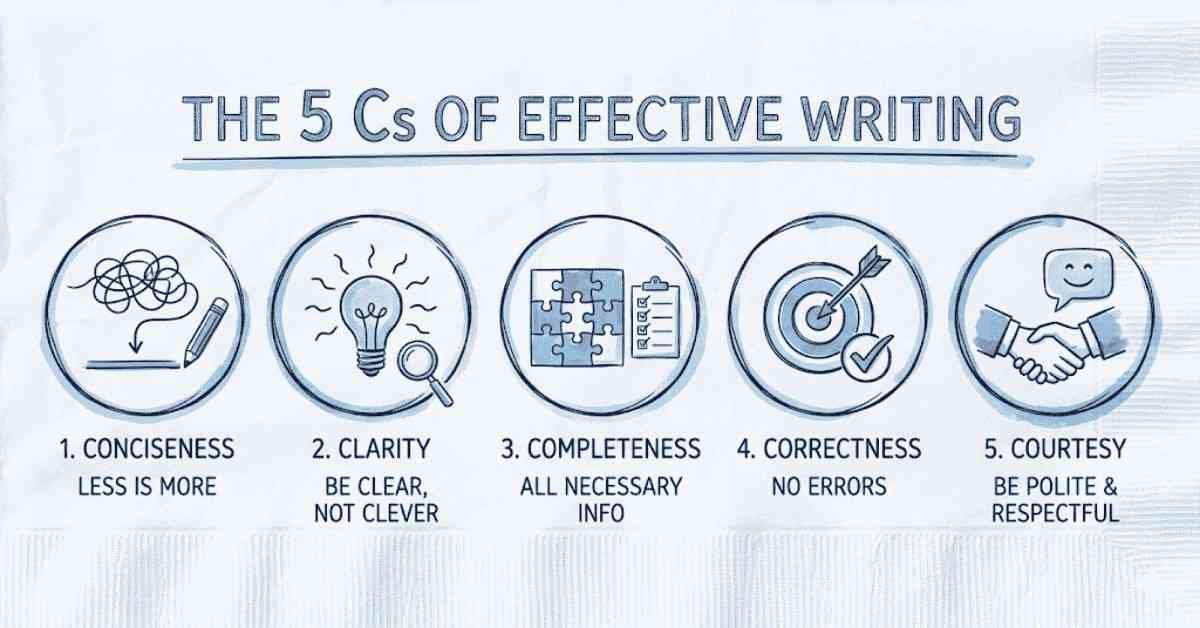
Core Elements of Written Communication Excellence
Conciseness – Professional writing prioritizes brevity and relevance. Every sentence should serve a clear purpose, delivering information efficiently without unnecessary elaboration. Concise writing respects readers’ time and increases message retention. For example, instead of writing “I am writing to inform you that we have made the decision to postpone the meeting,” write “We have postponed the meeting”.
Practice eliminating redundant phrases: “advance planning” becomes “planning,” “past history” becomes “history,” “end result” becomes “result.” Remove filler words like “very,” “really,” “actually,” and “basically” unless they add specific meaning.
Clarity – Clear writing ensures readers understand your message without confusion or ambiguity. Use simple, direct language avoiding jargon, complex vocabulary, or convoluted sentence structures unless your audience specifically requires technical terminology. Clarity reduces miscommunication, mistakes, and the need for follow-up clarifications.
Structure information logically with clear topic sentences, supporting details, and transitions between ideas. Use active voice predominantly: “The team completed the project” rather than “The project was completed by the team.” Active voice creates more direct, engaging writing.
Completeness – Effective written communication includes all necessary information for readers to understand context, take action, or make decisions. Incomplete messages generate confusion and additional correspondence. Before sending any written communication, ask yourself: Who, What, When, Where, Why, and How. Ensure your message answers relevant questions.
For action-oriented messages, specify exactly what you need, by when, and from whom. Include relevant attachments, links, or reference materials. Anticipate potential questions and address them proactively.
Correctness – Professional writing requires grammatical accuracy, proper punctuation, correct spelling, and adherence to standard conventions. Errors undermine credibility and professionalism, causing readers to question your attention to detail and competence. Always proofread multiple times before sending important communications.
Master common error patterns: subject-verb agreement, pronoun-antecedent agreement, comma splices, run-on sentences, and apostrophe usage. Use grammar checking tools but don’t rely on them exclusively—they miss context-dependent errors.
Courtesy – Courteous communication maintains respectful, professional tone regardless of message content. Even when delivering criticism or unfavorable news, maintain diplomacy and consideration for readers’ feelings. Courteous writing builds positive relationships and encourages cooperation.
Use appropriate salutations and closings, express appreciation when relevant, and frame requests politely. Instead of “You failed to submit the report,” write “I haven’t yet received the report due yesterday. Could you please provide an update on its status?”.
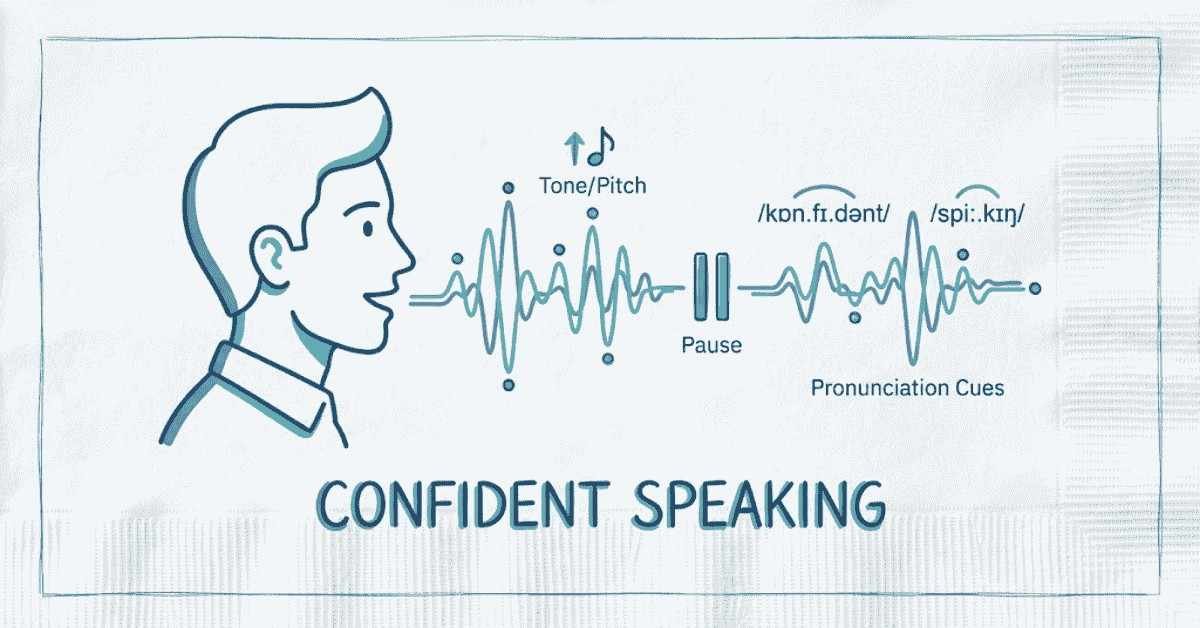
Verbal Communication Mastery
Articulation and Pronunciation – Clear articulation ensures listeners understand every word without strain. Practice pronouncing words fully, avoiding mumbling or rushing. Record yourself speaking and identify pronunciation patterns needing improvement. Pay special attention to consonant clarity—words like “asked” shouldn’t sound like “ast”
For non-native English speakers, identify sound patterns that don’t exist in your native language (like “th” sounds, “v” vs “w”, or “l” vs “r”) and practice them specifically. Watch pronunciation tutorials and mimic native speakers.
Vocal Tone and Modulation – Your voice carries emotional content beyond words. Monotone delivery bores listeners and reduces message impact, while varied tone maintains engagement and emphasizes key points. Practice raising pitch slightly for enthusiasm, lowering it for seriousness, and adjusting pace for emphasis.
Volume control matters significantly. Speaking too softly appears uncertain or apologetic; excessive volume seems aggressive. Adjust volume to room size and audience, ensuring everyone hears clearly without discomfort.
Speaking Pace and Pausing – Effective speakers maintain moderate pace—roughly 140-160 words per minute for professional contexts. Nervous speakers often rush, reducing comprehension. Practice slowing down deliberately, especially when presenting complex information or speaking in virtual meetings where audio delays occur.
Strategic pausing enhances communication dramatically. Pause after important points to let information sink in, before transitioning between topics, and after asking questions to invite responses. Brief pauses (2-3 seconds) appear confident and give you time to organize thoughts
Active Listening Skills – True communication is bidirectional. Active listening requires full attention, minimizing internal dialogue and external distractions. Show you’re listening through verbal acknowledgments (“I see,” “I understand”) and non-verbal cues (nodding, eye contact, leaning forward slightly).
Paraphrase what you’ve heard to confirm understanding: “So what I’m hearing is…” or “Let me make sure I understand—you’re saying…” This prevents miscommunication and demonstrates respect for the speaker.
Vocabulary Appropriateness – Professional communication requires extensive vocabulary but knowing when to use sophisticated language versus simple terms. Technical audiences expect and understand jargon; general audiences find it alienating. Match vocabulary to audience knowledge level.
Avoid unnecessarily complex words when simpler alternatives exist. “Use” is often better than “utilize,” “help” clearer than “facilitate,” and “end” simpler than “terminate.” Reserve complex vocabulary for precision when simpler words lack nuance

Non-Verbal Communication Excellence
Body Language and Posture – Your physical presence communicates before you speak. Stand or sit upright with shoulders back, projecting confidence without rigidity. Avoid closed postures like crossed arms or hunched shoulders signaling defensiveness or discomfort. Open postures with relaxed, visible hands appear approachable and trustworthy.
In presentations or meetings, use purposeful movement. Walking naturally during presentations maintains audience attention; excessive pacing appears nervous. When seated, lean slightly forward showing engagement without invading personal space.
Eye Contact Mastery – In Western professional contexts, direct eye contact signals confidence, honesty, and engagement. Maintain eye contact 50-70% of conversation time—enough to show attention without creating discomfort through staring. When addressing groups, distribute eye contact evenly, spending 3-5 seconds with different individuals.
Cultural considerations matter significantly. Some Asian, African, and Latin American cultures interpret sustained direct eye contact as disrespectful or aggressive, particularly with superiors. Research cultural norms when communicating across cultures.
Facial Expressions – Your face reveals emotions often contradicting verbal messages. Maintain pleasant, interested expressions during conversations. Smile genuinely when appropriate—smiles create rapport and positive impressions. However, avoid inappropriate smiling during serious discussions or when receiving criticism.
Practice facial awareness. Record yourself in conversations or presentations to identify habitual expressions. Common issues include furrowed brows (appearing confused or angry), blank expressions (seeming disengaged), or excessive smiling (appearing insincere).
Gesture Integration – Hand gestures emphasize points and make communication more engaging when used purposefully. Effective gestures remain within your body frame (the space from shoulders to hips) and complement rather than distract from verbal messages. Use gestures to indicate numbers, directions, or size/scale.
Avoid distracting habits like fidgeting, touching your face or hair, clicking pens, or repetitive gestures. These signal nervousness and draw attention away from your message.
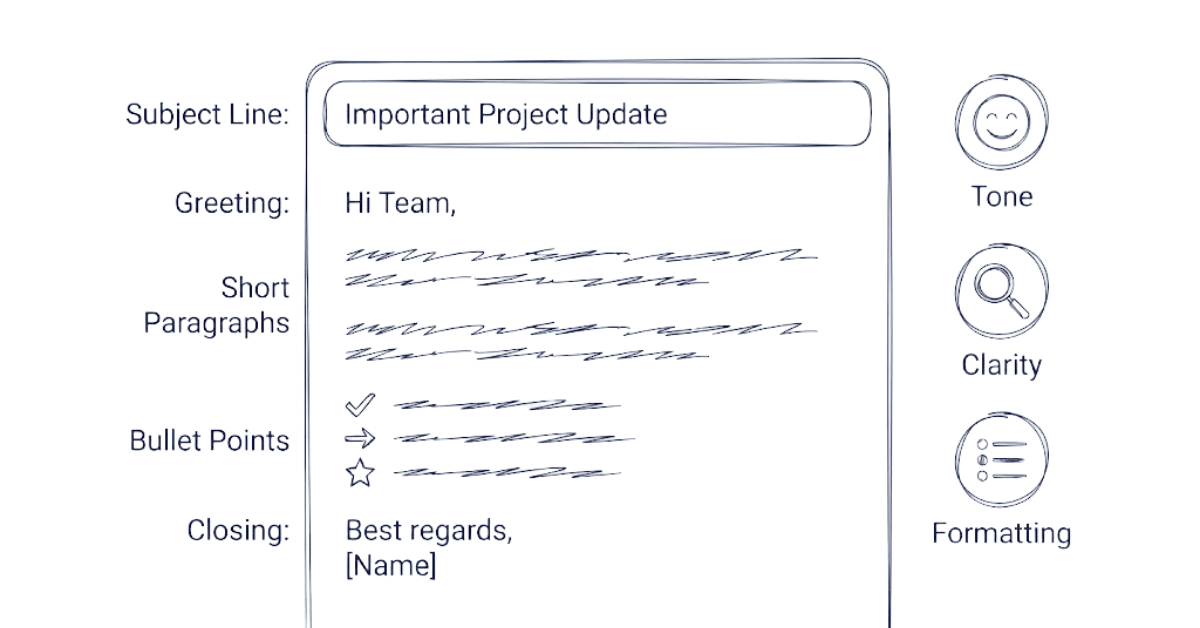
Professional Email Communication
Subject Line Strategy – Subject lines determine whether emails get opened, prioritized, or ignored. Effective subject lines clearly indicate content and urgency without being vague or misleading. Specific subject lines like “Budget Proposal Due Friday, Nov 1” outperform generic ones like “Question” or “Update”.
For action requests, include clear verbs: “Review Attached Contract by Thursday” or “Approve Marketing Plan for Q1.” For informational emails, summarize key content: “Q3 Sales Results—15% Growth” or “Office Closed Dec 24-26”.
Email Structure and Formatting – Professional emails follow predictable structure: greeting, context/purpose, main content, action items/next steps, and professional closing. Keep paragraphs short (2-4 sentences) with white space between them for readability. Use bullet points for lists or multiple items requiring attention.
Front-load important information. Readers skim emails, so place critical content in opening sentences. If your email exceeds one screen length, consider whether a document attachment would be more appropriate.
Tone Calibration – Email lacks vocal tone and body language, making misinterpretation common. Words appearing neutral to you might seem abrupt or rude to recipients. Add courteous phrases like “please,” “thank you,” and “I appreciate” to soften requests. Use exclamation points sparingly to convey enthusiasm without appearing unprofessional.
For difficult messages, draft emails without recipients in the “To” field, preventing accidental sending before thorough review. Read sensitive emails aloud to test tone before sending.
Professional Email Etiquette – Respond to emails within 24 business hours, even if just acknowledging receipt and indicating when you’ll provide a complete response. Use “Reply All” judiciously—only when all recipients need your response. Respect others’ time by keeping messages focused and concise.
Avoid email for complex, nuanced, or emotional discussions better handled verbally. Email creates permanent records, so write assuming messages could be forwarded or read publicly
Business Writing Fundamentals
Report Writing Structure – Professional reports follow standardized structures ensuring readers find information efficiently. Begin with an executive summary (for longer reports) condensing key findings, conclusions, and recommendations into one page. Follow with introduction establishing context and purpose, methodology explaining how information was gathered, findings presenting data and analysis, conclusions synthesizing insights, and recommendations proposing actions.
Use headings and subheadings creating visual hierarchy. Number sections for easy reference. Include a table of contents for reports exceeding five pages.
Memo Writing – Memos communicate internal information briefly and efficiently. Standard memo format includes: TO, FROM, DATE, SUBJECT headers followed by brief background context, main message, and action items or next steps. Memos typically span one page unless complexity requires more.
Unlike emails, memos often circulate to multiple departments or stakeholders simultaneously, so ensure content remains relevant and appropriate for all recipients.
Proposal Writing – Proposals persuade audiences to approve projects, allocate resources, or adopt recommendations. Effective proposals clearly define problems or opportunities, propose specific solutions, outline implementation plans with timelines, detail resource requirements and budgets, and establish success metrics.
Use persuasive but professional language emphasizing benefits and value. Address potential objections or concerns proactively. Support arguments with data, research, or case studies.
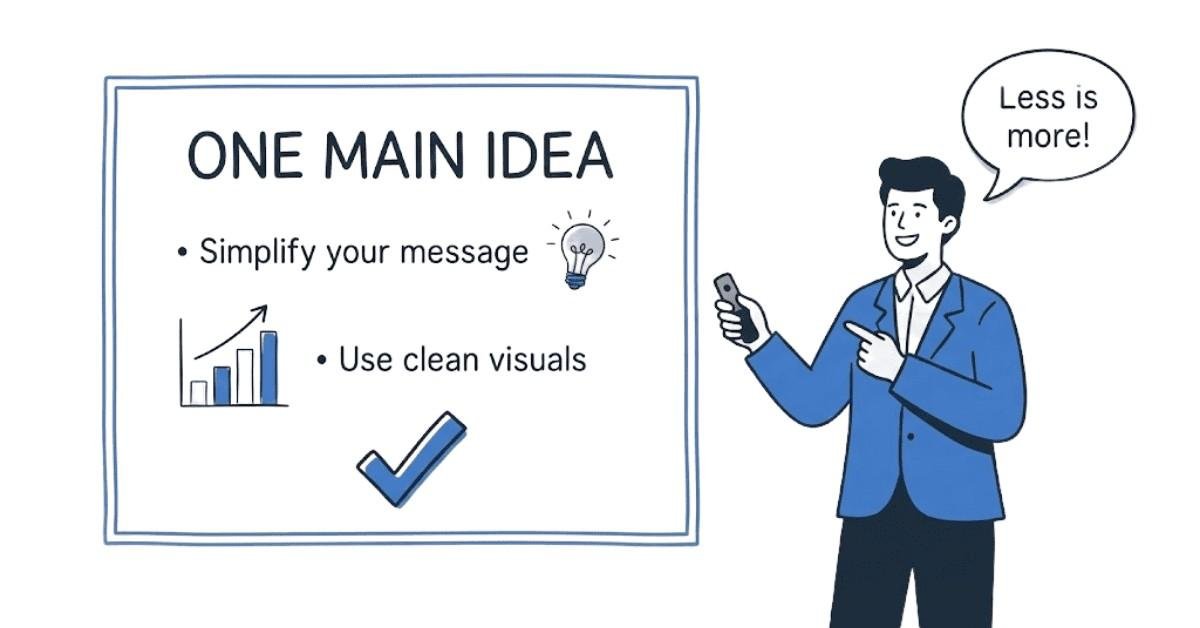
Presentation Skills Development
Content Organization – Strong presentations follow the classic structure: introduction capturing attention and establishing objectives, body developing 3-5 key points with supporting evidence, and conclusion summarizing insights and issuing clear calls to action. Avoid cramming excessive information—three well-developed points outperform seven superficial ones.
Use the “rule of three” for memorability. Humans remember information grouped in threes more effectively than other quantities. Structure main points, supporting examples, and even sentence structure in triads.
Slide Design Principles – Professional slides support rather than replace verbal presentations. Each slide should convey one main idea using minimal text (maximum 6 bullet points, 6 words per point). Use high-quality visuals, charts, and graphics to illustrate concepts rather than dense text paragraphs.
Maintain consistent design throughout presentations—uniform fonts (sans-serif like Arial or Calibri for readability), limited color palette (2-3 colors maximum), and consistent placement of elements. Avoid distracting animations or transitions.
Handling Questions Effectively – Anticipate likely questions and prepare answers in advance. When asked questions during presentations, listen completely without interrupting. Pause briefly before responding, showing thoughtful consideration. If you don’t know an answer, acknowledge honestly and commit to following up rather than fabricating responses.
Rephrase hostile or unclear questions diplomatically: “If I understand correctly, you’re asking about…” This gives you control over question framing and ensures audience understands the question