
Work-Life Balance & Mental Health in Engineering
Table of Contents
Work-Life Balance for Electrical Engineers: Mental Health & Wellness Guide
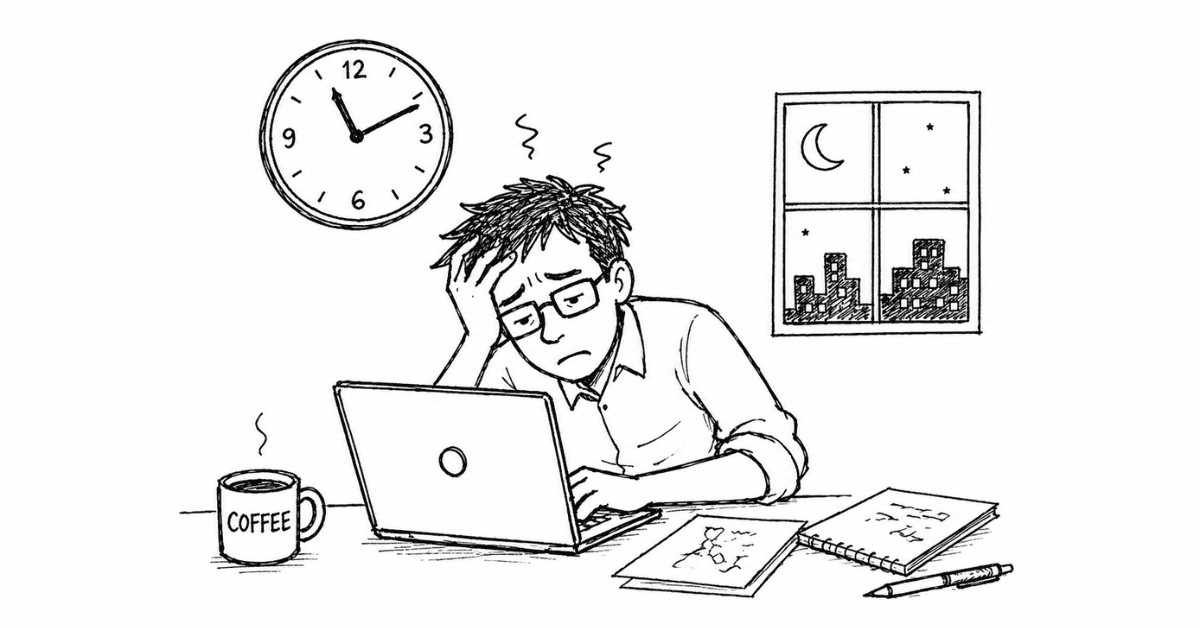
It’s 10 PM. You’re still at the factory troubleshooting a motor failure that’s halted production for the third time today. Tomorrow you’re scheduled for a site visit 200 kilometers away. The project deadline looms. Your manager expects the report by morning. Your phone battery is dying. You haven’t talked to your family properly in days. And you’re wondering: “Is this what engineering is supposed to be?”
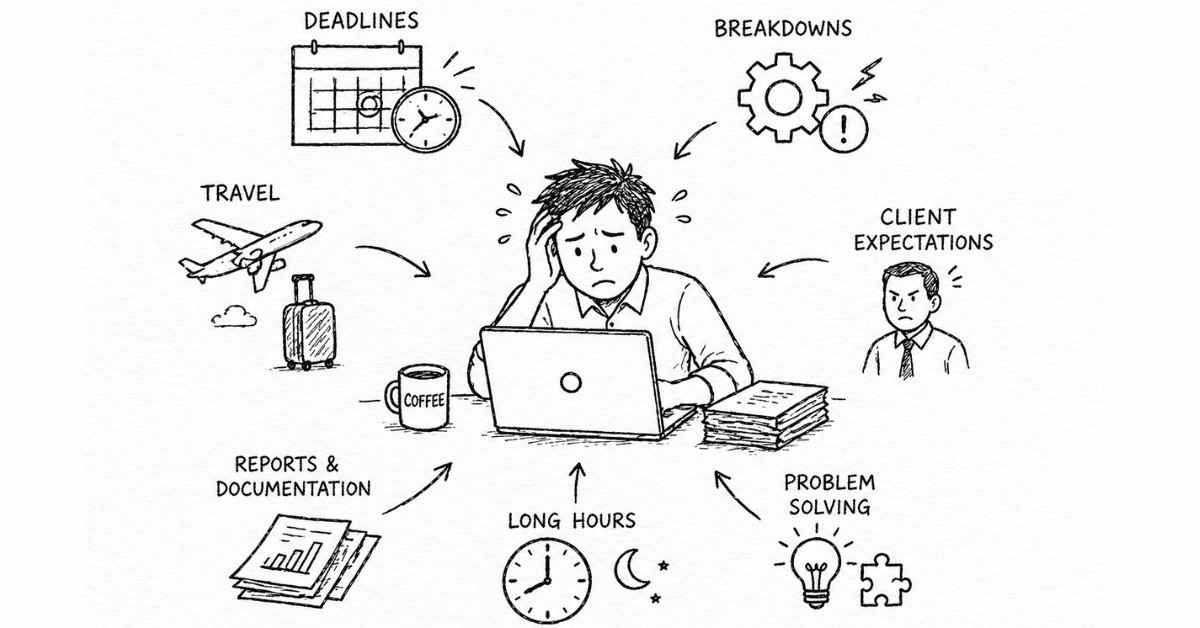
If this resonates, you’re not alone. Electrical engineers especially in project roles, manufacturing plants, or commissioning work often face intense work pressure, irregular hours, extensive travel, and the constant weight of technical responsibility. Production lines stopping costs lakhs per hour. Power grid failures affect millions. Equipment malfunctions can have safety implications. The pressure is real.
Yet amid the legitimate demands of electrical engineering careers, many engineers burn out by age 30, develop chronic stress, sacrifice relationships and health, and ultimately question their career choices. This doesn’t have to be your story. Work-life balance in engineering isn’t about working less it’s about working sustainably, managing stress effectively, setting boundaries, and maintaining mental and physical health while building your career.
This guide addresses the often-ignored topic of wellness in electrical engineering: recognizing stress and burnout, understanding industry-specific challenges, practical strategies for balance, mental health resources, and building a sustainable long-term career without sacrificing yourself in the process.
Understanding Engineering Work-Life Reality
The Honest Picture
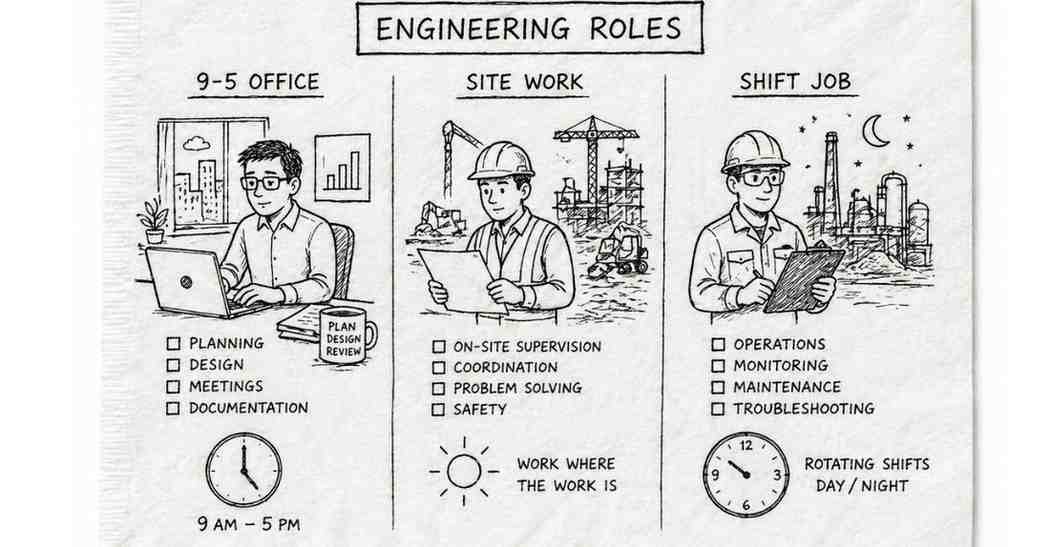
Not All Engineering Roles Equal:
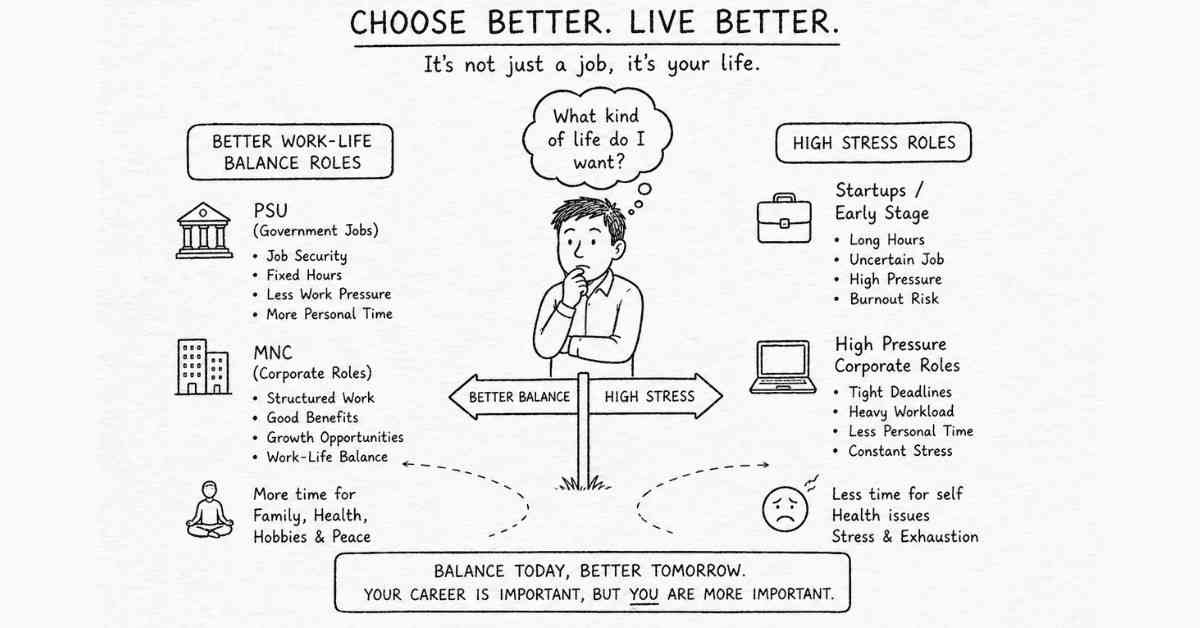
- 9-to-5 Roles Exist: R&D positions, some design roles, government organizations often have regular hours
- Demanding Roles Common: Commissioning, project sites, operations, manufacturing expect irregular hours
- Company Culture Varies: Some companies respect boundaries; others have crunch-time cultures
Early Career Reality:
- First 3-5 years often most demanding proving yourself, learning, establishing career
- Site postings common remote locations, away from family
- Shift work possible in power plants, manufacturing operations
- Commissioning schedules dictated by project timelines, not work-life balance
It Gets Better:
- As seniority increases, more control over schedule
- Management roles often have regular office hours (but different stresses)
- Experience makes work more efficient less time needed for same tasks
- Established professionals can negotiate better work conditions
Industry-Specific Challenges
Power Sector:
- 24×7 operations someone must be on duty always
- Emergency response expectations (grid failures, equipment breakdowns)
- Shift work for operations engineers
- Remote postings (power plants often away from cities)
Manufacturing/Automation:
- Production pressure downtime extremely costly
- Weekend commissioning (minimize production disruption)
- On-call expectations for breakdowns
- Lean teams high workload per engineer
EPC/Project Work:
- Project-driven timelines (not negotiable)
- Site work demands (weather, logistics challenges)
- Away from home for weeks/months
- Intense phases followed by quieter periods
Startups (EV, renewable energy):
- Fast-paced, high-pressure environments
- Longer hours expected (especially early-stage)
- Multiple responsibilities wear many hats
- Higher stress but potentially higher growth and rewards
MNCs and PSUs:
- Generally better work-life balance
- Established processes and adequate staffing
- PSUs especially known for regular hours
- Trade-off sometimes slower growth/innovation
Recognizing Stress and Burnout
Warning Signs of Excessive Stress
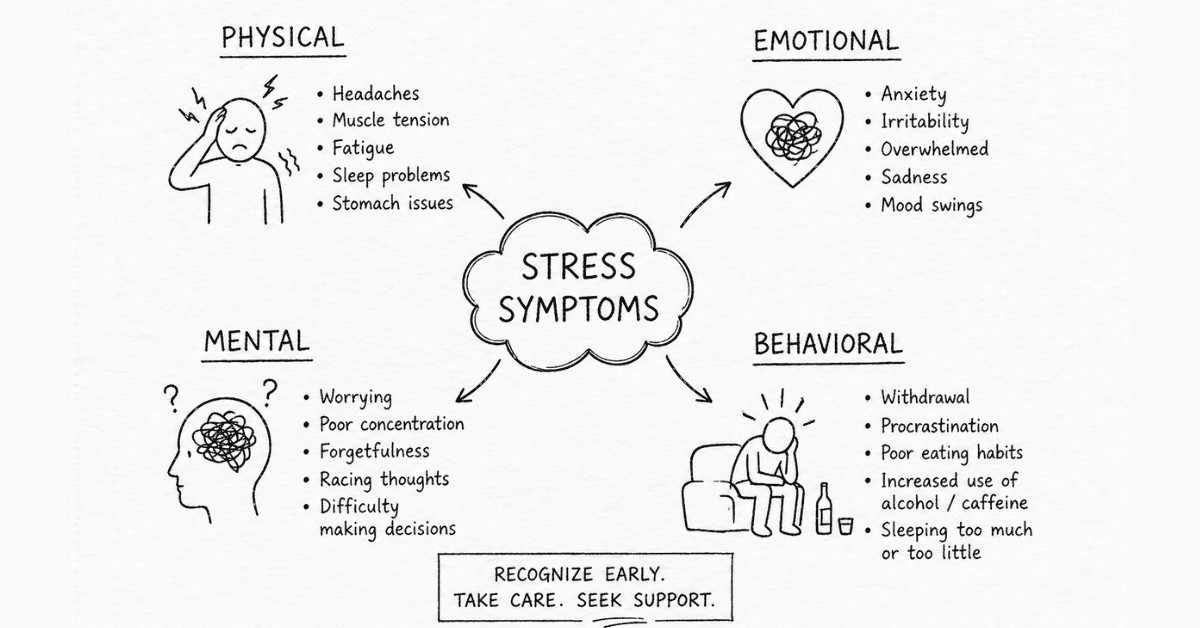
Physical Symptoms:
- Chronic fatigue despite adequate sleep
- Frequent headaches or muscle tension
- Digestive issues, appetite changes
- Weakened immune system (falling sick often)
- Sleep disturbances
Emotional Symptoms:
- Constant irritability or mood swings
- Feeling overwhelmed or helpless
- Lack of motivation or enthusiasm
- Anxiety or persistent worry
- Depression or sadness
Cognitive Symptoms:
- Difficulty concentrating
- Memory problems
- Constant negative thinking
- Inability to make decisions
- Racing thoughts
Behavioral Symptoms:
- Withdrawing from colleagues/family
- Procrastination or neglecting responsibilities
- Increased alcohol/smoking
- Changes in appetite or sleep patterns
- Nervous habits (nail biting, pacing)
Burnout: The Endpoint of Chronic Stress
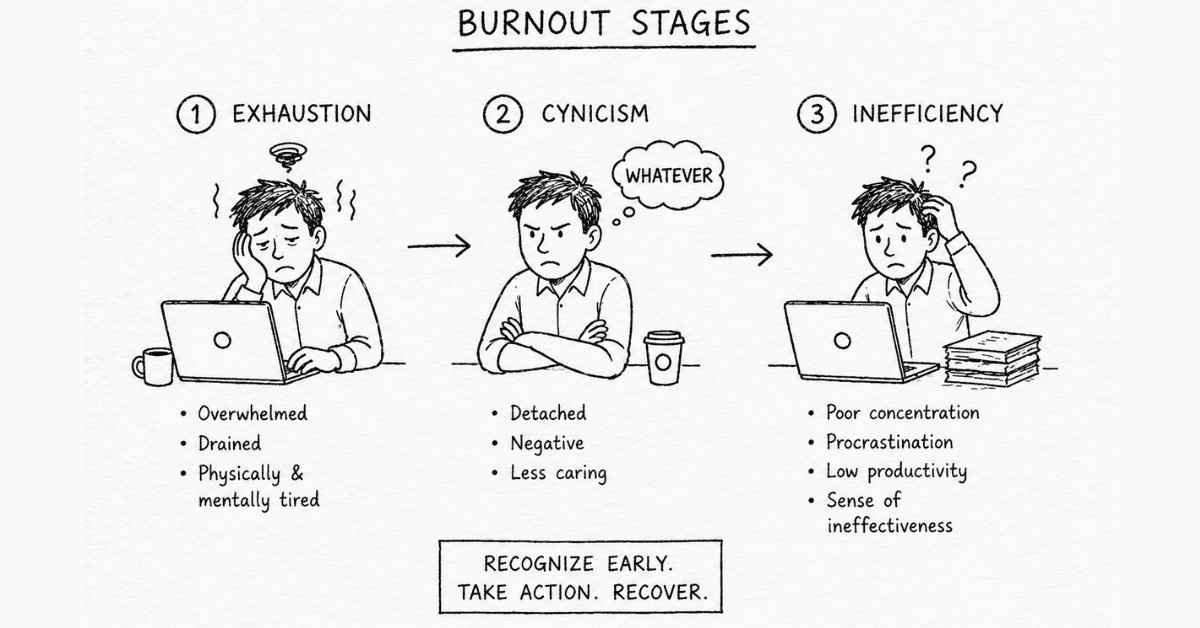
Three Dimensions of Burnout:
- Exhaustion: Chronic fatigue, emotional depletion
- Cynicism: Detachment from work, negative attitude
- Inefficacy: Feeling ineffective, reduced accomplishment
Burnout Red Flags:
- Dreading going to work every single day
- Physical illness from stress
- Detachment from things you once enjoyed
- Irritability affecting relationships
- Using substances to cope
- Thoughts of just quitting without plan
If Experiencing Burnout: Don’t ignore it. Seek help (counselor, doctor, trusted mentor). Consider job change if work environment truly toxic. Your health matters more than any job.
Strategies for Work-Life Balance
Boundary Setting
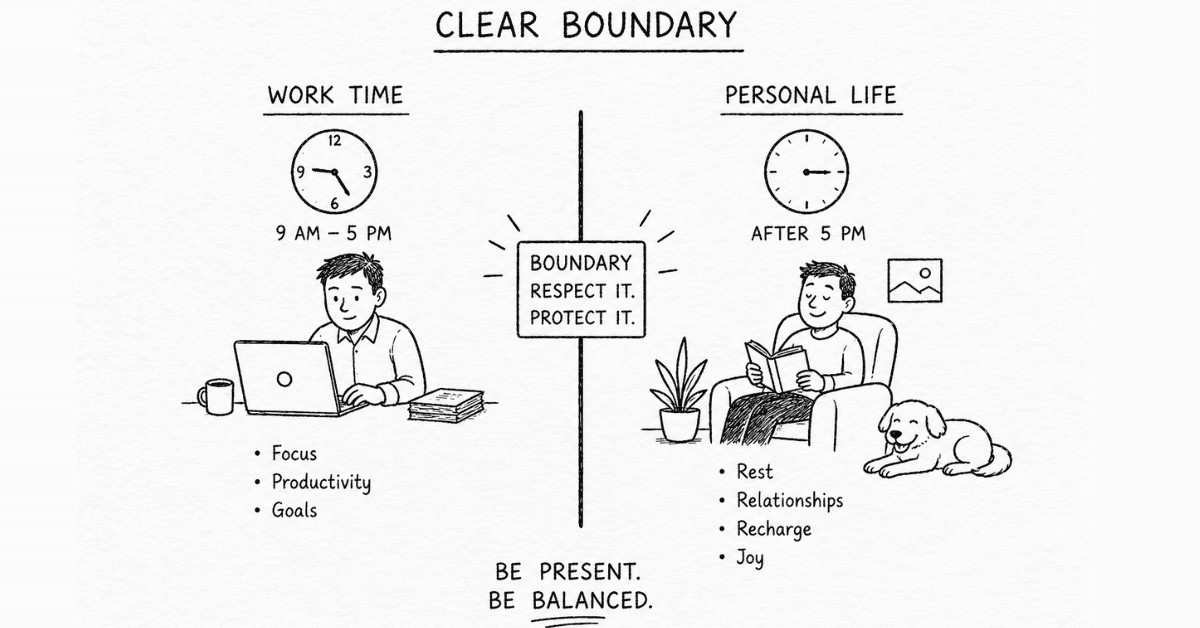
Define Your Limits:
Work hours you’re willing to commit regularly
Weekend work tolerance (occasional vs constant)
Travel frequency you’ll accept
Response time expectations (immediate vs reasonable)
Communicate Boundaries:
With manager: “I can stay late when truly needed, but not as default”
With family: “This month is intense; next month will be better”
With yourself: “I’ll work till 8 PM, then disconnect”
Enforce Boundaries:
Don’t answer work emails/calls past certain time (unless true emergency)
Use weekends for recovery (not catching up on work regularly)
Take earned leave don’t accumulate indefinitely
Say no when genuinely overloaded (diplomatically but firmly)
Reality Check: Some roles genuinely demand flexibility commissioning engineer can’t leave when machine is mid-startup. But even demanding roles can have boundaries frequent traveler can negotiate one week home per month.
Time Management
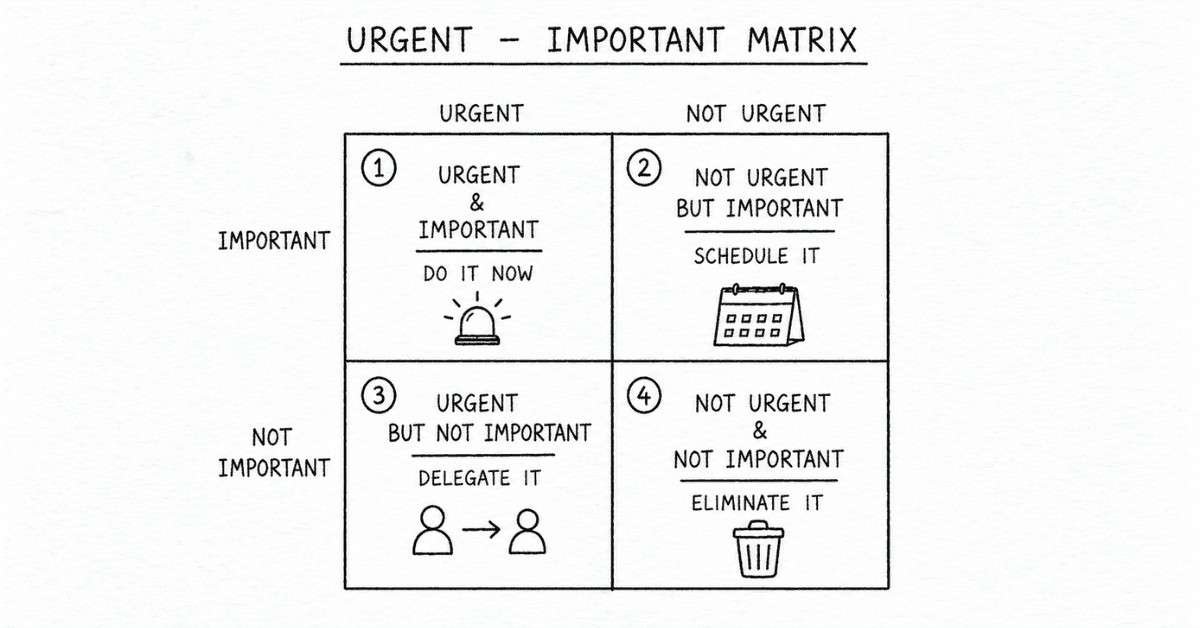
Prioritization:
- Urgent + Important: Do immediately
- Important, Not Urgent: Schedule dedicated time
- Urgent, Not Important: Delegate or minimize
- Neither: Eliminate
Efficiency Over Hours:
- Focus during work hours (minimize distractions)
- Use tools/automation where possible
- Don’t confuse busyness with productivity
- Smart work > Hard work alone
Batch Similar Tasks:
- Emails: Check 2-3 times daily, not constantly
- Meetings: Cluster when possible
- Reports: Dedicated time blocks
Learn to Say No:
- To non-critical additional projects
- To ineffective meetings
- To tasks outside your responsibility (when already overloaded)
- Saying no to some things means saying yes to priorities
Mental Health Specific Guidance
Dealing with Imposter Syndrome
What It Is: Feeling like you’re faking competence, fear of being “exposed” as inadequate despite evidence of capability
Common in Engineering: Complex technical work, constantly learning, comparison with peers
Coping Strategies:
- Recognize it’s common (even successful engineers feel this)
- Document achievements concrete evidence counters feelings
- Talk about it you’ll find others feel similarly
- Focus on growth, not perfection
- Seek mentorship experienced engineers reassure
- Recognize it’s common (even successful engineers feel this)
Managing Anxiety
Depression Awareness
Work-Related Anxiety Common:
- Project deadlines and pressure
- Technical problems without clear solutions
- Job security concerns
- Performance reviews and evaluations
- Presentations and stakeholder meetings
Coping Strategies:
- Preparation reduces anxiety (technical preparation, presentation practice)
- Break overwhelming tasks into smaller steps
- Reality check: What’s worst outcome? Usually less catastrophic than imagined
- Breathing techniques for acute anxiety
- Project deadlines and pressure
Signs Beyond Normal Stress:
- Persistent sadness or emptiness (weeks)
- Loss of interest in everything (not just work)
- Significant weight/appetite changes
- Sleep issues (insomnia or oversleeping)
- Fatigue and low energy constantly
- Feelings of worthlessness or guilt
- Difficulty concentrating
- Thoughts of death or suicide
If Experiencing These: See mental health professional immediately. Depression is medical condition, not weakness. Treatable with therapy and/or medication. Companies increasingly offer mental health support use resources. Tell trusted person if having suicidal thoughts call helpline (KIRAN: 1800-599-0019) or go to emergency room.
Handling Workplace Stress Sources
Toxic Manager:
- Document interactions (protect yourself)
- Escalate to HR if truly problematic
- Build relationship with skip-level manager if possible
- Exit strategy if intolerable your mental health worth more
Workplace Bullying:
- Report to HR companies have policies
- Document instances
- Build support network
- Don’t internalize bullying about bully, not you
Job Insecurity:
- Build emergency fund (6 months expenses)
- Keep skills updated
- Maintain network
- Reality check: employable engineers find jobs
- If layoff happens, not personal failure
Building Sustainable Career
Long-Term Perspective
Career is Marathon, Not Sprint:
- 40-year career ahead pace yourself
- Intense periods okay if followed by recovery
- Burning out by 30 leaves 30+ years struggling
Health is Foundation:
- No job worth chronic health problems
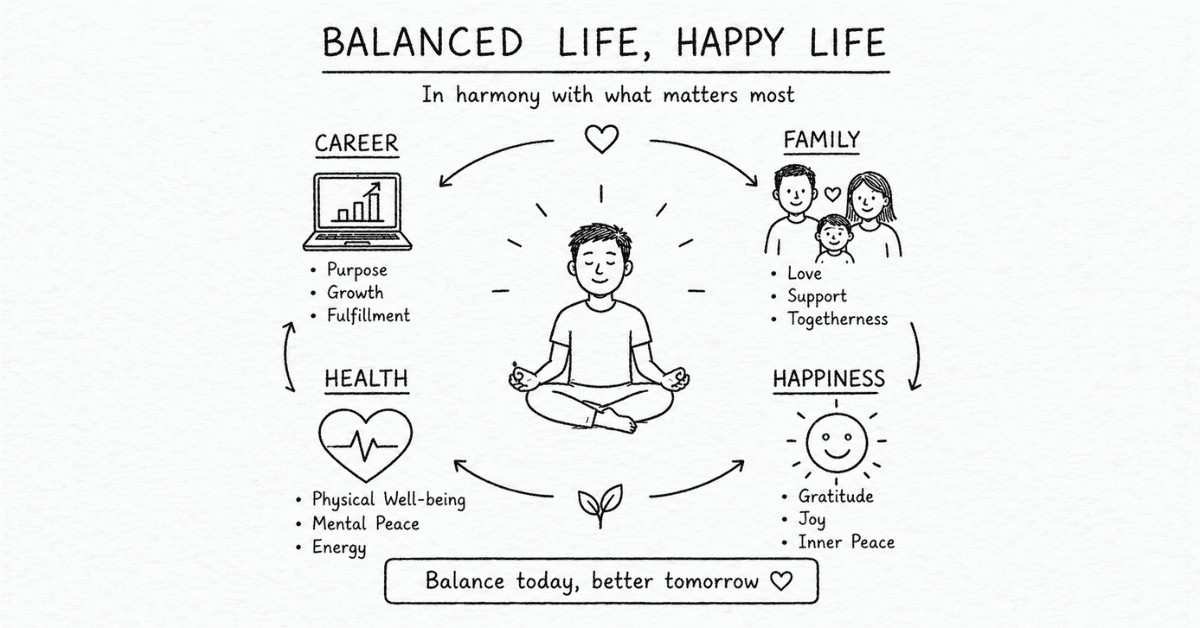
- Physical and mental health enable long, successful career
- Investing in health is investing in career
Relationships Matter:
- Family and friends provide meaning beyond work
- Support network critical during tough times
- Don’t sacrifice relationships permanently for temporary career gains
Life Beyond Work:
- Identity beyond job title
- Hobbies and interests provide fulfillment
- Travel, experiences, personal growth
- Work enables life; life isn’t just work
Workplace Wellness Practices
During Workday:
- Take regular breaks (5-10 minutes every hour)
- Leave desk for lunch
- Stretch or walk periodically
- Hydration and nutrition
- Ergonomic workspace (prevents physical issues)
Commute Time:
- Audiobooks, podcasts (learning or entertainment)
- Music for relaxation
- Carpooling for social connection
- Public transport allows reading/rest
- If possible, negotiate remote work days
Vacation and Leave:
- Take earned leave don’t accumulate
- Actual vacation (not working remotely)
- Disconnect during leave (unless true emergency)
- Return refreshed, not guilty
Resources and Support
Mental Health Resources in India
Helplines:
- KIRAN Mental Health Helpline: 1800-599-0019
- Vandrevala Foundation: 1860-2662-345
- iCall: 9152987821 (Mon-Sat, 8 AM – 10 PM)
Online Therapy Platforms:
- Practo (doctor consultations including psychiatrists)
- BetterHelp (though US-based, works in India)
- Amaha (Indian mental health app)
Finding Therapist:
- Psychologist directory: Psychology.org.in
- Referrals from general physician
- Company EAP programs
Work-Life Balance Apps
Productivity:
- Todoist, Microsoft To-Do (task management)
- RescueTime (time tracking to identify time drains)
- Forest (focus sessions)
Wellness:
- Headspace, Calm (meditation)
- Sleep Cycle (sleep tracking)
- MyFitnessPal (fitness tracking)
- WaterMinder (hydration reminders)
Communities and Support
Professional Networks:
- IEEE groups (professional community)
- LinkedIn groups for engineers
- Company employee resource groups
Online Communities:
- Reddit communities for mental health, work-life balance
- Discord servers for engineers
- Alumni networks
For Managers: Supporting Team Wellness
Creating Healthy Team Culture:
- Model work-life balance yourself
- Respect team members’ time
- Discourage after-hours emails unless urgent
- Recognize signs of burnout in team
- Encourage leave-taking
- Provide resources and support
Effective Workload Management:
- Realistic project timelines
- Adequate staffing
- Distributing work fairly
- Checking in on team wellbeing regularly
Psychological Safety:
- Okay to admit mistakes
- Asking for help encouraged
- No blame culture
- Open communication
Conclusion: Engineering Career with Wellness
Yes, electrical engineering can be demanding. Site postings, long hours, technical pressure, travel these are realities in many roles. But these challenges don’t have to mean chronic stress, burnout, destroyed health, or sacrificed relationships.
Work-life balance isn’t about perfect equilibrium every single day. It’s about sustainable rhythm over months and years. Intense project phases followed by recovery. Demanding early career followed by more controlled senior years. Making deliberate choices about roles, companies, and boundaries aligned with your values.
Your career is important. Your health mental and physical is more important. Your relationships and life outside work matter profoundly. Engineering is what you do, not who you are.
The most successful engineers those with 40-year thriving careers, not 5-year burnouts understand this. They work hard but strategically. They set boundaries even in demanding roles. They prioritize health and relationships alongside career. They seek help when struggling. They make sustainable choices.
You can build a successful electrical engineering career without destroying yourself in the process. It requires intentionality, boundary-setting, stress management, and sometimes difficult decisions. But it’s absolutely possible.
Take care of yourself. You’re not just an engineer. You’re a human being with one life to live well.
Work sustainably. Live fully. Your future self will thank you.