
Specialized Graphic Design Careers: Packaging & Editorial
Table of Contents
Introduction: Why Specialize?
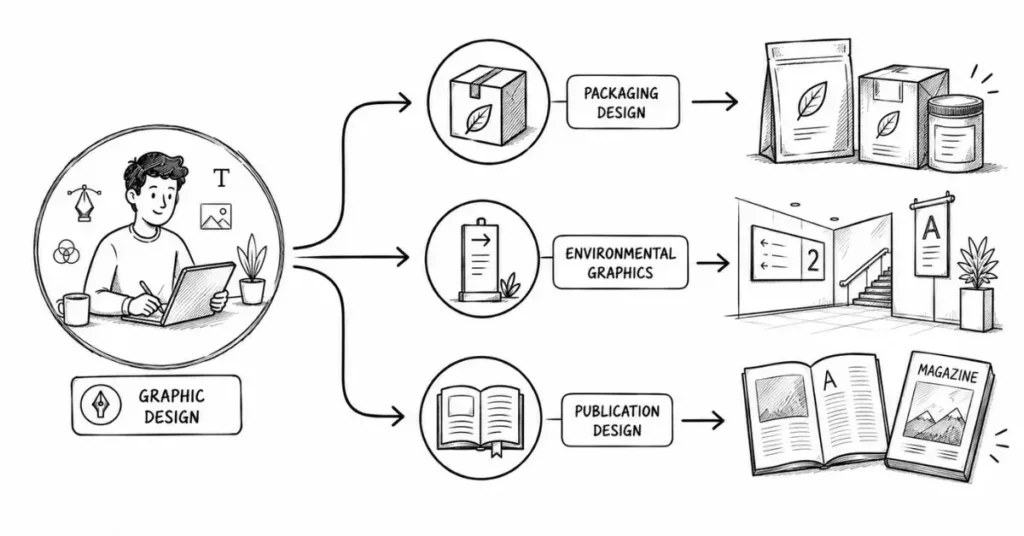
Once you’ve built strong general design skills, specializing can help you:
- Charge higher fees.
- Work on deeper, more complex projects.
- Stand out in a crowded market.
Three powerful niches especially relevant in India are packaging design, environmental (spatial) graphics, and publication design. Each combines creativity with specific technical and business knowledge.
1. Packaging Design Career
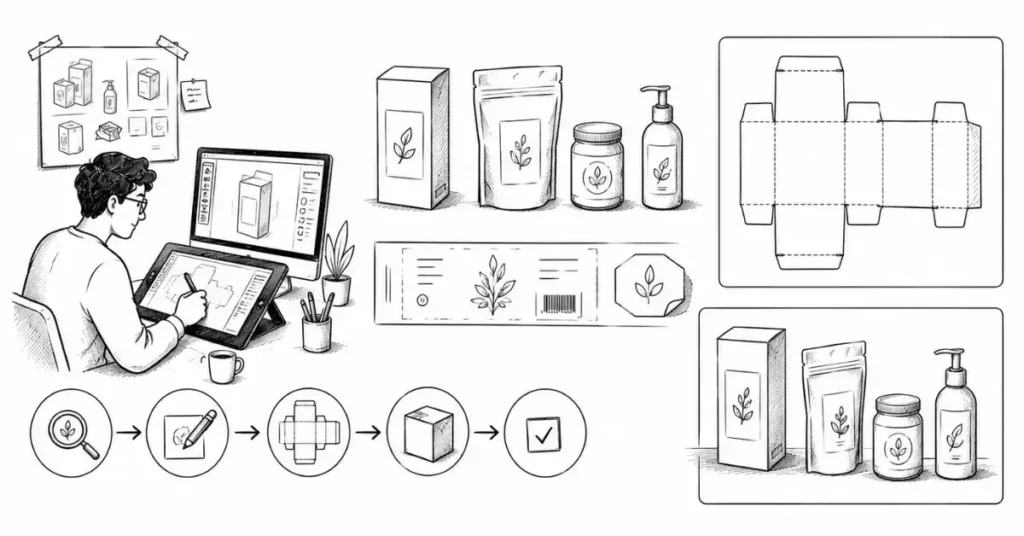
What Packaging Designers Do
Packaging designers create the look and structure of product packs:
- Boxes, bottles, pouches, labels, sleeves.
- Visual identity on packs: logo placement, colors, fonts, imagery.
- Information hierarchy: ingredients, usage, legal info, pricing, barcodes.
- 3D structure and dielines (how packs are cut, folded, glued).
They balance:
- Shelf impact (how it looks next to competitors).
- Function (protection, ease of use).
- Cost (printing and material constraints).
Where Packaging Designers Work
- FMCG (food, snacks, beverages).
- Cosmetics and personal care.
- Pharma and nutraceuticals.
- D2C brands (supplements, skincare, home products).
- Creative and branding agencies.
- Printing and packaging companies.
Key Skills
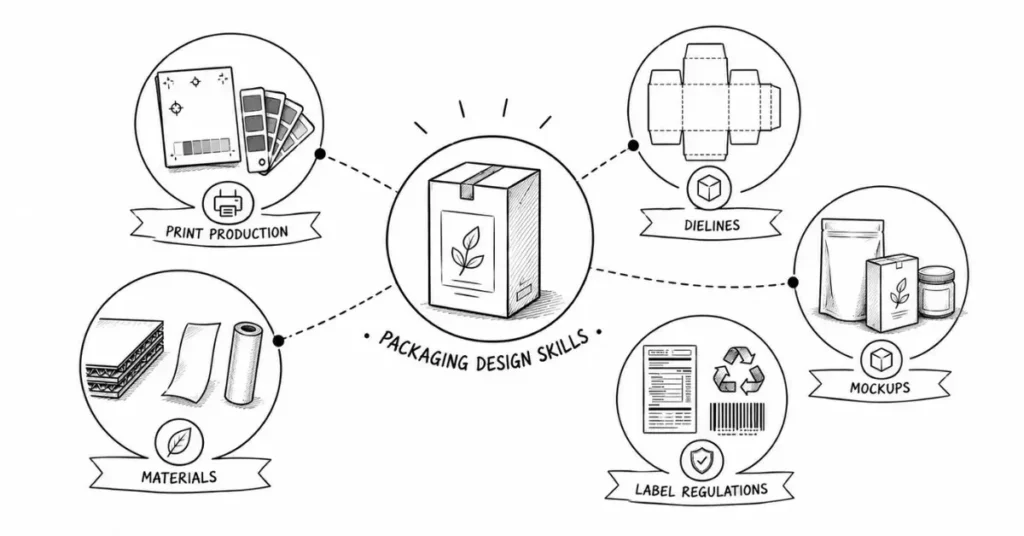
- Strong brand and layout skills.
- Understanding print production (CMYK, spot colors, varnishes, embossing, foiling).
- Working with dielines and 3D mockups.
- Basic knowledge of materials (paperboard, corrugate, plastics, glass).
- Awareness of regulations (FSSAI, barcodes, legal labelling requirements for India).
Tools Used
- Adobe Illustrator (core).
- Photoshop (for mockups and imagery).
- 3D visualization tools (Dimension, Blender, or mockup generators).
Why It’s Strong in India
India’s D2C and FMCG markets are booming. Every new brand on BigBasket, Blinkit, or Amazon needs packaging that stands out and communicates quickly. Designers who understand both visual appeal and retail realities can build excellent careers here.
2. Environmental & Wayfinding Design
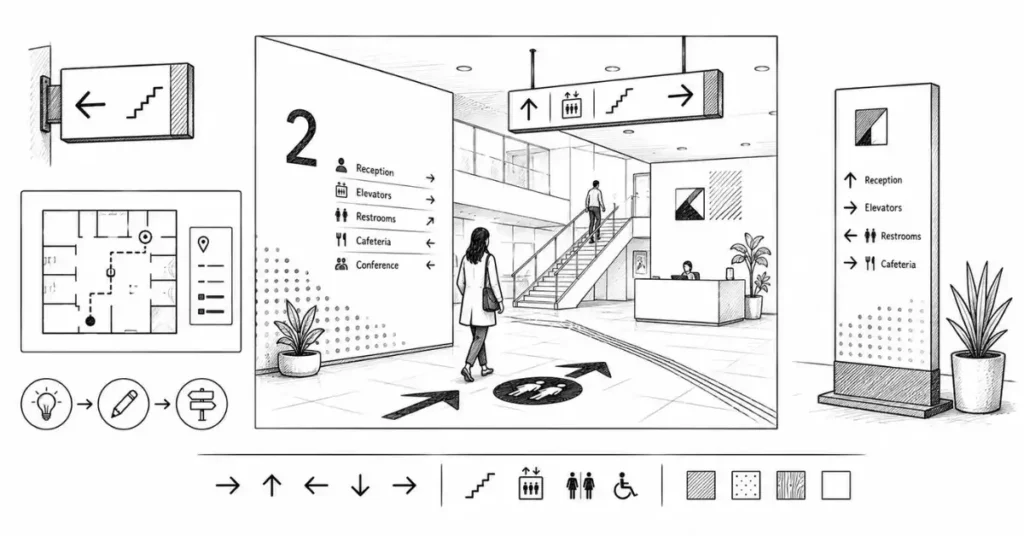
What Environmental Graphic Designers Do
Environmental design (often called EGD – Environmental Graphic Design, or wayfinding design) focuses on graphics in physical spaces:
- Wayfinding systems (signage in airports, hospitals, metros, malls).
- Branded spaces (offices, retail stores, campuses).
- Exhibition and event graphics.
- Murals and large installations.
- Visitor journeys and spatial storytelling.
The goal: help people navigate and experience spaces smoothly and meaningfully.
Where They Work
- Architecture and interior design firms.
- Experience design studios.
- Retail design companies.
- Large corporate in-house teams (for office spaces, campuses).
- Government and infrastructure projects (metros, museums).
Key Skills
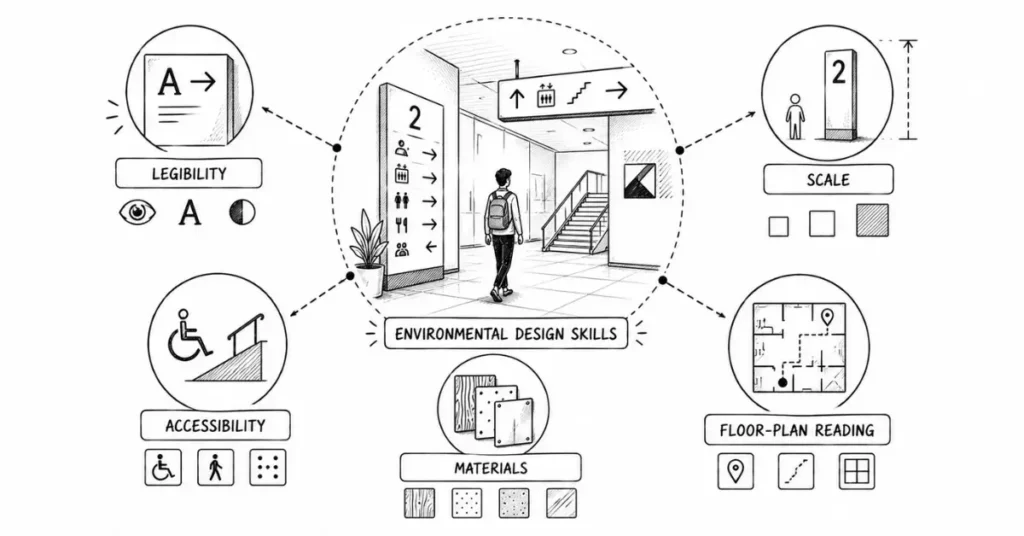
- Information hierarchy for wayfinding (making navigation intuitive).
- Large-format typography and legibility.
- Understanding of materials (vinyl, acrylic, metal, LED signage, etc.).
- Scale and proportion in real spaces.
- Basic architectural drawings (reading floor plans, elevations).
- Accessibility considerations (contrast, height, tactile signage).
Tools Used
- Illustrator and InDesign (primary).
- CAD/3D tools (or close collaboration with architects).
Presentation tools (Keynote, PowerPoint, Figma) for visual proposals.
Why It’s Growing in India
- Rapid expansion of metros, airports, smart cities, corporate parks, malls.
- Growing emphasis on branded experiences in offices and retail.
- Government and private sectors both investing in better public space design.
Designers who enjoy physical spaces and systems thinking often thrive here.
3. Publication & Editorial Design
What Publication Designers Do
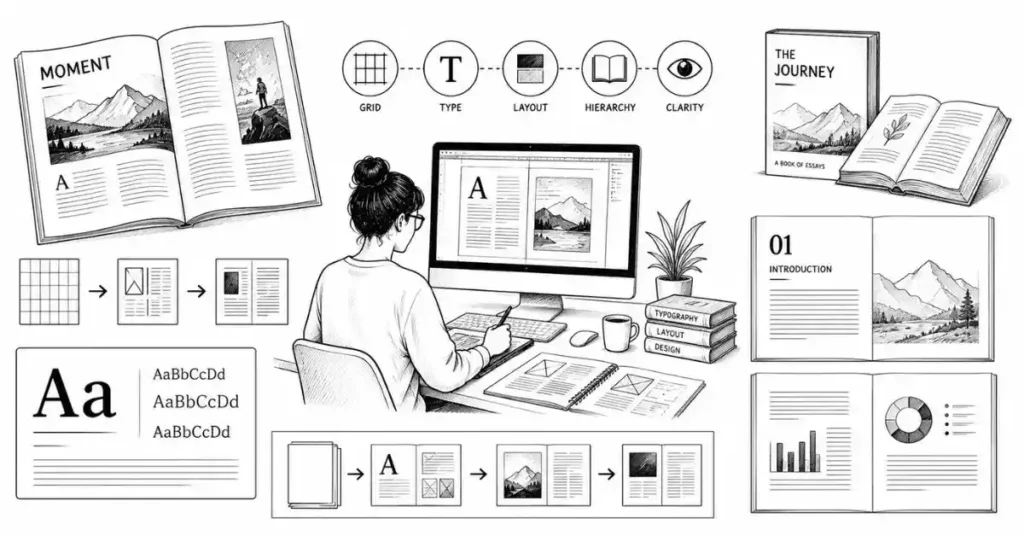
They design multi-page content so it’s clear, engaging, and on-brand:
- Magazines and newspapers.
- Books (fiction, non-fiction, educational).
- Annual reports, whitepapers, research publications.
- Catalogs and product brochures.
- E-books and long-form digital PDFs.
They handle:
- Page layout and grid systems.
- Typographic hierarchies (headlines, subheads, body, captions, pull quotes).
Balancing text-heavy pages with visuals and white space.
Where They Work
- Publishing houses.
- Media and magazine companies.
- Corporates (annual reports, internal publications).
- NGOs and think tanks.
- Design and communication studios.
Key Skills
- Advanced typography: readability, rhythm, long-form legibility.
- Mastery of grid systems and consistent layout.
- Handling large documents efficiently (styles, master pages, indexing).
- Visual storytelling with images, charts, infographics.
Tools Used
- Adobe InDesign (primary).
- Illustrator (icons, diagrams).
- Photoshop (photos, illustrations).
Evolution: Print + Digital
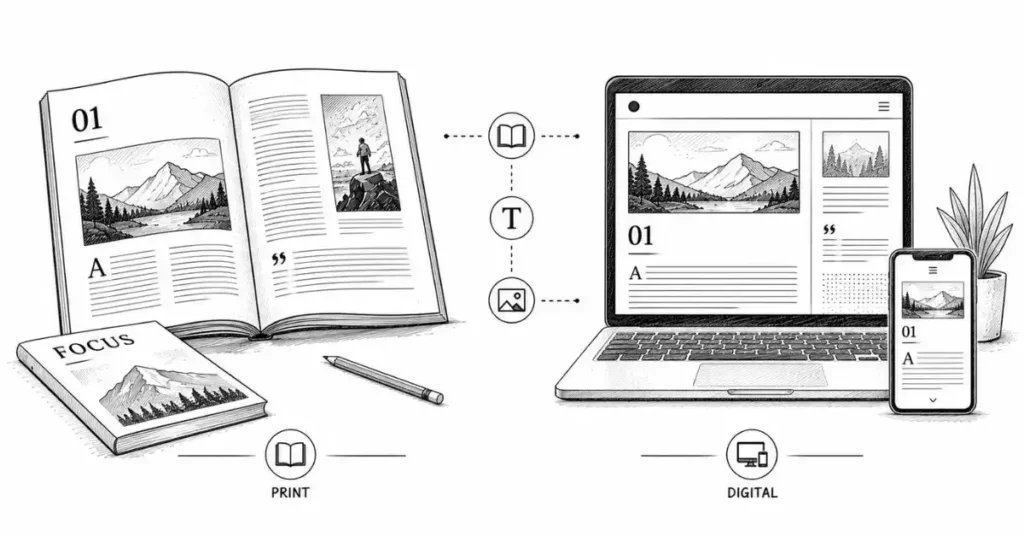
Today’s publication designers often design for both print and screen:
- Interactive PDFs or web-first editorial layouts.
- Magazine-style content on web and mobile.
- Responsive editorial experiences.
In India, with digital news/media and annual reports going online, editorial designers who understand both mediums are especially valuable.
How to Choose a Specialization
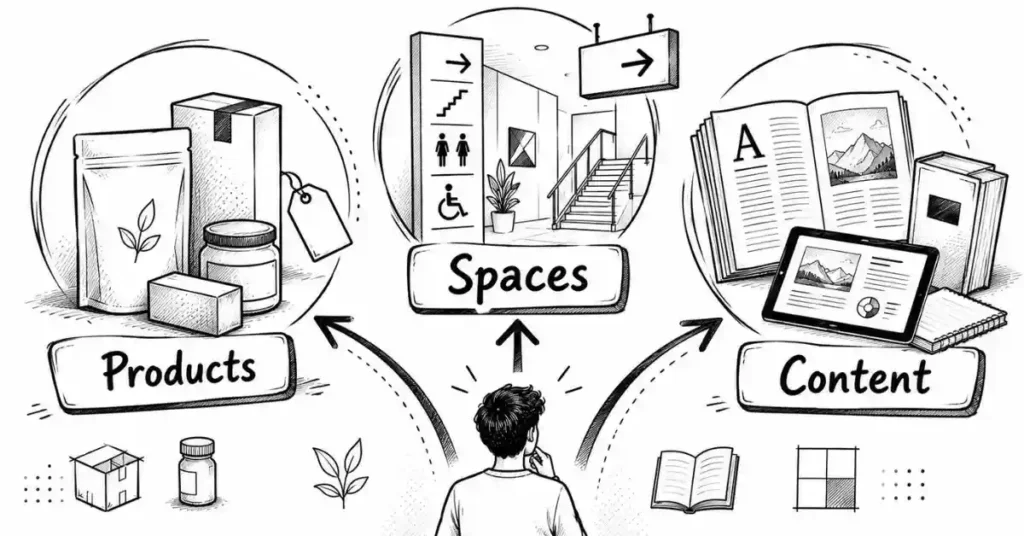
Ask yourself:
- Do you enjoy object-level design (physical packs, hands-on with print and material)?
→ Packaging. - Do you love spaces, signage, and movement through environments?
→ Environmental/wayfinding. - Do you enjoy long-form content, typography, and reading experiences?
→ Publication/editorial.
You can remain a generalist but lean into one of these to differentiate yourself.
Building a Portfolio for Each Niche
Packaging Design Portfolio
Show:
- 3–6 full packaging projects (even self-initiated).
- Flat designs + 3D mockups.
- Different product categories (food, cosmetics, home, etc.).
- Brief, concept, and shelf context (“why it would stand out”).
Environmental Design Portfolio
Show:
- Wayfinding systems for a fictional mall, campus, or hospital.
- Branded office or retail space visual concepts.
- Signage families (different sign types within one system).
- Floor plan overlays or visual walkthroughs if possible.
Publication Design Portfolio
Show:
- Magazine spreads (features, contents, articles).
- Book interiors and covers.
- Annual report or brochure sample (10–20 pages).
- Before/after layouts to show improvement in readability and hierarchy.
Career Opportunities & Growth
- Packaging: Junior → Packaging Designer → Senior → Packaging Lead → Brand/Packaging Consultant or Head of Packaging Design.
- Environmental: Junior Graphic Designer → EGD Designer → Senior/Lead EGD → Experience Design Lead.
- Publication: Layout Designer → Editorial Designer → Senior Editorial / Design Lead → Creative Head in publishing or content orgs.
Freelancers can niche into these and work with:
- Agencies and studios as a specialist.
- Direct brands (especially D2C and mid-sized companies).
- International clients via remote work.
Action Steps to Get Started in a Specialization
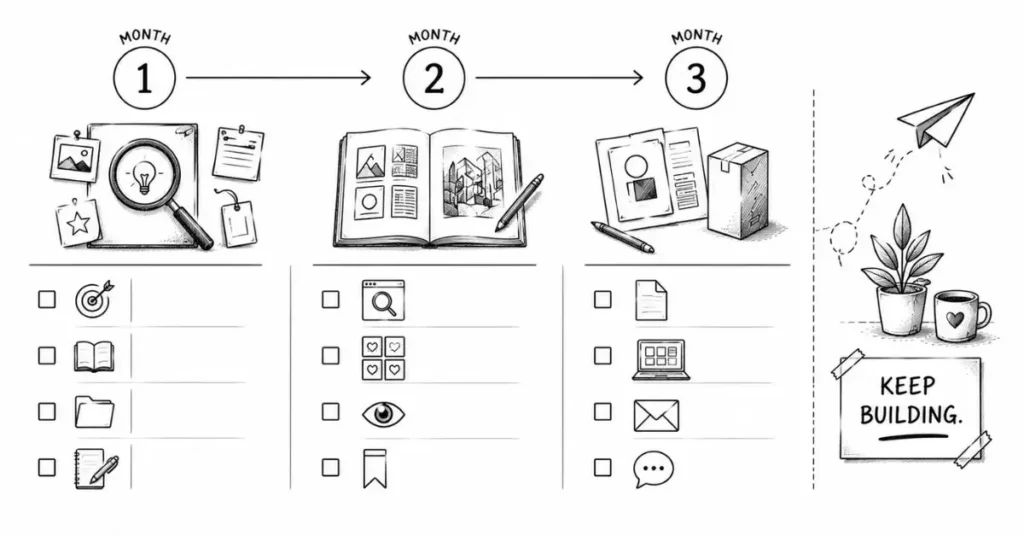
- Pick one niche to explore more deeply over the next 3 months.
- Study 10–20 strong examples in that niche (case studies, books, real-world references).
- Create 2–3 self-initiated projects specifically for that niche.
- Add them to your portfolio as proper case studies.
- Update your LinkedIn/website headline slightly to reflect your interest (e.g., “Graphic & Packaging Designer” instead of just “Graphic Designer”).
- Reach out to 10–20 studios/companies that work in that niche with a short, focused message and samples.