
Esports Coaching & Analytics Career in India: Roles, Skills & Salary (2026)
Table of Contents
Introduction:
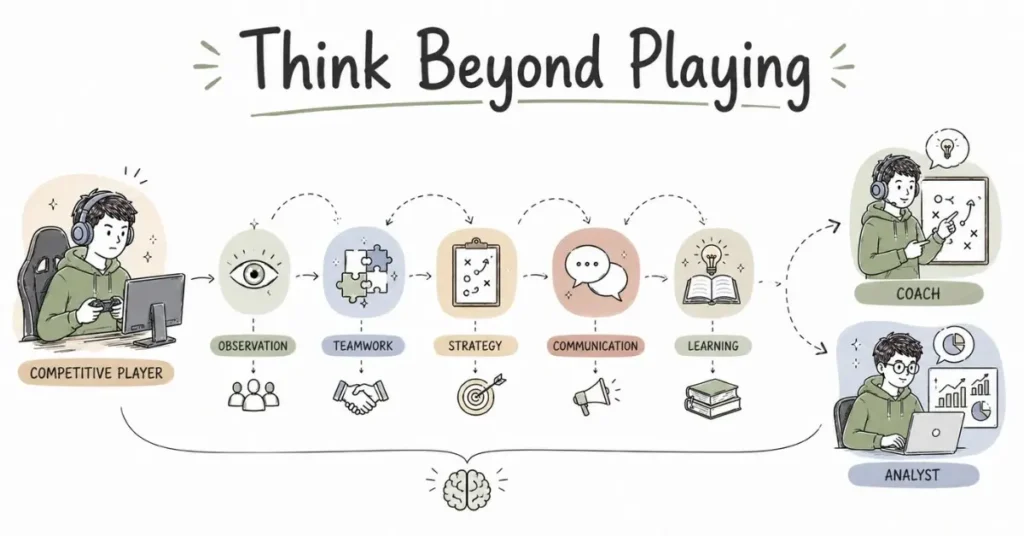
There is a moment in every competitive player’s career when they realize their individual skill has plateaued when grinding ranked games is no longer producing improvement. At that point, the players who go further are the ones who start thinking differently about the game. They study opponents. They analyse their own mistakes systematically. They understand why they win and lose, not just that they did.
That shift in thinking from playing to understanding is exactly what esports coaching and analytics careers are built on.
These are real jobs at real organisations in India. NODWIN Gaming, GodLike Esports, Velocity Gaming, and Orangutan all have coaching staff on salary. And as India’s esports ecosystem professionalises following government recognition under the Ministry of Youth Affairs and Sports, the demand for qualified coaches and analysts is growing faster than the supply of people who can do the work properly.
This guide covers both roles in full what they involve, what they pay, which tools matter, and the step-by-step path from competitive player to paid coaching professional.
Coach vs Analyst: Two Different Jobs That Work Together
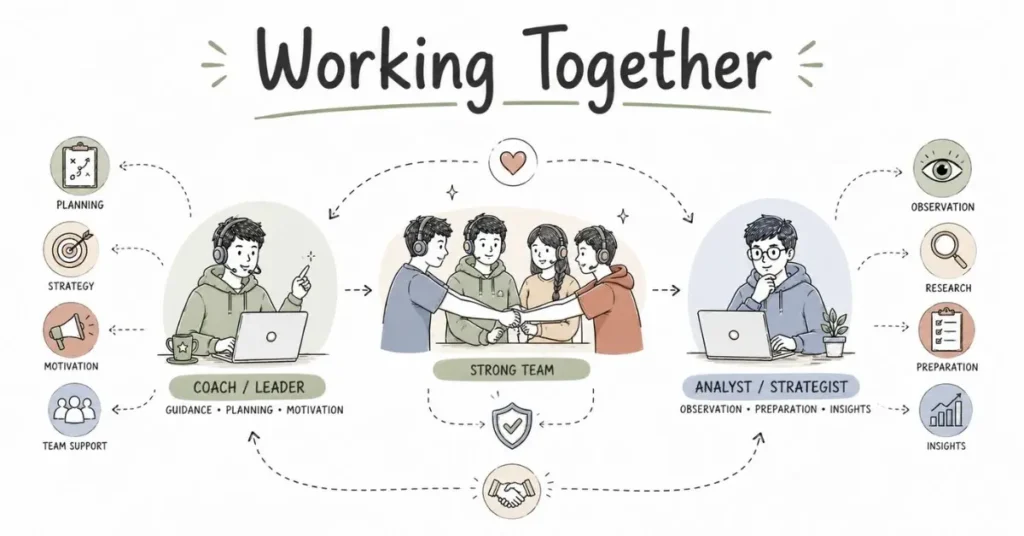
Most people outside the industry use these terms interchangeably. Inside a professional esports organisation, they are distinct roles with different responsibilities and different skill requirements.
The Esports Coach is responsible for team performance as a whole. A coach designs practice schedules, runs training sessions, manages team dynamics, develops strategies for upcoming opponents, and handles the psychological side of competition helping players manage pressure, process losses, and maintain motivation through long tournament seasons. The coach is the person players go to when something is not working. The relationship is part tactical, part mentorship.
The Esports Analyst is responsible for data and opponent research. An analyst watches hours of match footage to identify patterns which strategies a team runs on specific maps, where their star player tends to make risky decisions, how they respond when they fall behind early. An analyst also tracks their own team’s performance data over time and presents findings to the coach in a structured, actionable format.
At a professional organisation with a full staff, the coach and analyst work closely together: the analyst provides the data and research; the coach decides what to do with it and communicates it to the players. At a semi-professional team with limited budget, one person often does both.
What an Esports Coach Actually Does Day to Day
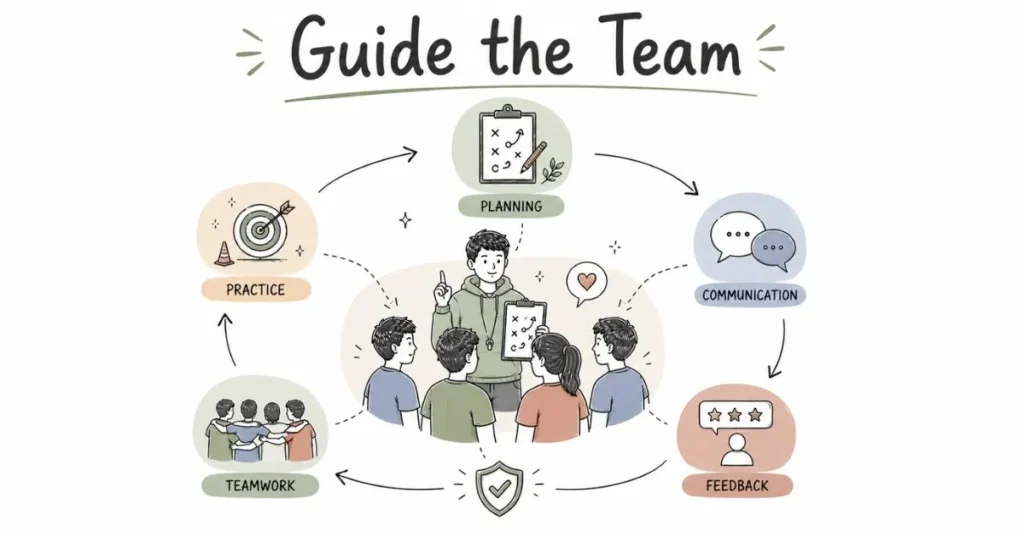
A common misconception: esports coaches spend most of their time playing the game. They do not. At the professional level, a head coach’s daily work looks more like this:
Morning: Review the previous day’s scrimmage (practice match) footage. Note specific moments where the team’s coordination broke down, where individual decisions were suboptimal, and where the strategy worked as planned.
Midday: Run a structured team meeting not a casual discussion, but a session with an agenda. Present three to five specific observations from the footage review. Get player input on what they noticed. Assign individual homework specific mechanics or decisions each player needs to work on in solo practice.
Afternoon: Watch two to three matches from an upcoming tournament opponent. Identify their tendencies preferred strategies, individual player habits, observable weaknesses. Begin building a preparation document for the team.
Evening: Monitor practice scrimmages in real time. Pause when necessary to address tactical decisions. Debrief after the session ends.
Across the week: Manage the human side check in individually with players who seem low on motivation or dealing with personal issues, communicate with the team manager about logistics, and update the organisation’s leadership on team progress.
This is not a casual role. At a top-tier organisation, the coach puts in hours comparable to a full-time job because it is one.
What an Esports Analyst Actually Does Day to Day
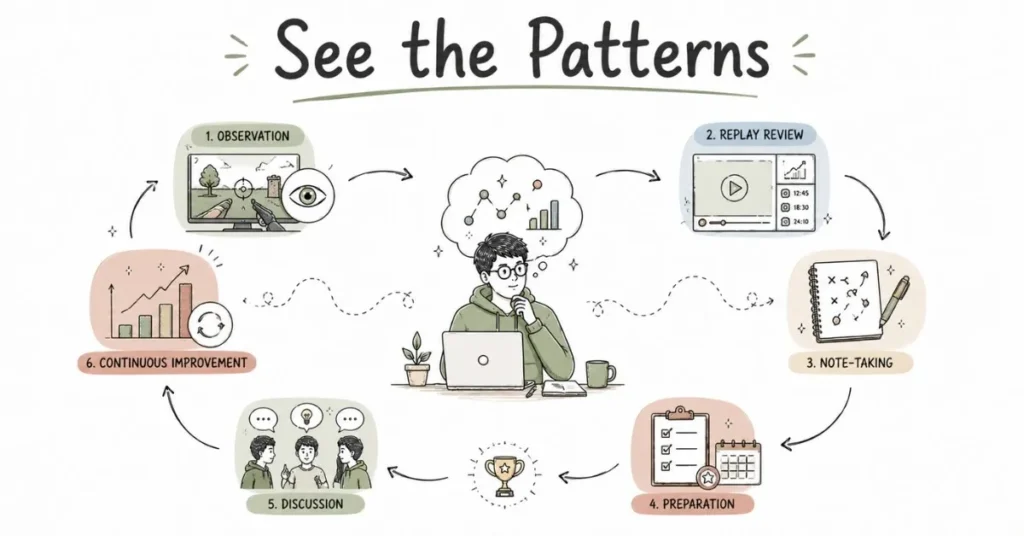
The analyst’s work is less visible than the coach’s but equally important.
VOD review and tagging: The analyst watches recorded matches and creates timestamped notes “at 14:32, Team B consistently pushes mid with four players when they have a gold lead.” These notes accumulate into a picture of a team’s tendencies that the coach uses to build strategy.
Building opponent profiles: Before a tournament, the analyst creates a document covering each opponent: their most frequent strategies, their individual players’ tendencies, and their known weaknesses. This document sometimes called a “scouting report” is the primary preparation tool for the team.
Performance tracking: The analyst maintains a database of their own team’s statistics across scrimmages and official matches win rates on specific maps, individual player performance trends, strategy success rates. Presented weekly to the coach, this data helps identify whether the team is improving in the areas being practised.
Data visualisation: Raw numbers mean little until they are presented clearly. An analyst who can turn a spreadsheet into a clear chart or a visual heatmap of enemy positioning helps coaches and players absorb information faster and act on it more effectively.
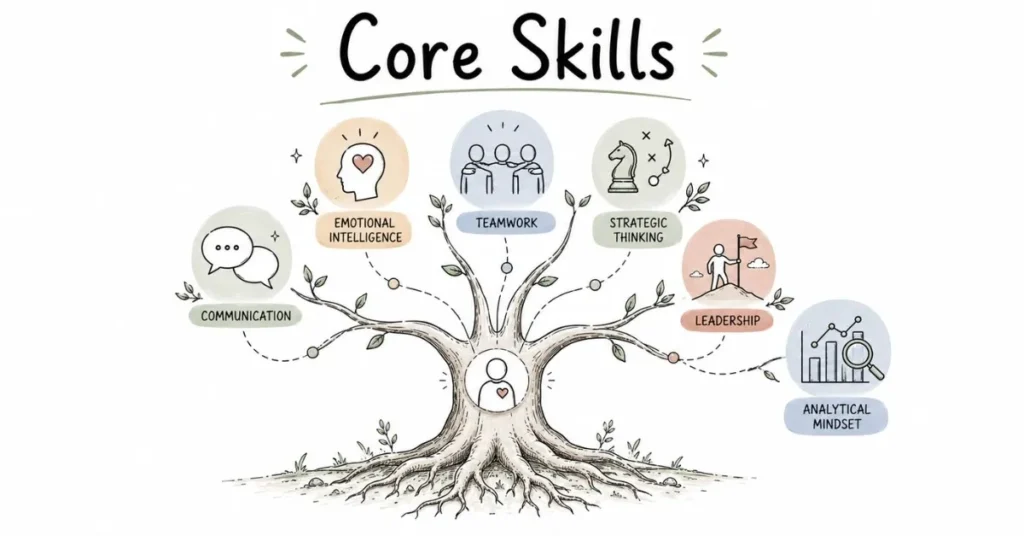
Skills That Actually Get You Hired
These are the skills hiring managers at esports organisations test for not just list as requirements.
Deep Game Knowledge
This is non-negotiable for both roles. You cannot coach what you do not deeply understand. Coaches and analysts are typically former competitive players or people who have spent years studying a specific game at a high level.
“High level” does not necessarily mean pro rank. In Valorant, a consistent Platinum-to-Diamond player with excellent game sense and the habit of analysing their own replays is sometimes more coachable and hirable as a coach than a Radiant player who wins purely on mechanics but cannot explain why they make the decisions they do.
Communication
Coaching is fundamentally a communication job. You can understand exactly what a player is doing wrong and why. If you cannot explain it to that player in a way they can absorb and act on, the knowledge is useless. Strong coaches adapt their communication style per player some players respond to direct, blunt feedback; others need a gentler framing to receive the same message without shutting down.
For analysts, communication takes the form of documentation clear, specific, well-structured written reports that coaches and players can read quickly and understand fully.
Data Literacy
This matters more than most coaching candidates expect. An analyst who cannot build a functional Google Sheets tracker, cannot calculate basic statistics (averages, percentages, trend lines), or cannot present findings visually will struggle to do the job at a professional level. You do not need a statistics degree. You need to be comfortable working with numbers and presenting them clearly.
Emotional Intelligence
Competitive players under pressure are not always their best selves. Tilt (the emotional state of frustration affecting decision-making) is a real and constant variable in esports performance. Coaches who understand emotional states, recognise when a player is tilted before it visibly affects performance, and know how to defuse tension within a team are worth significantly more than coaches who only understand the tactical side.
Tools Every Coach and Analyst Needs to Know
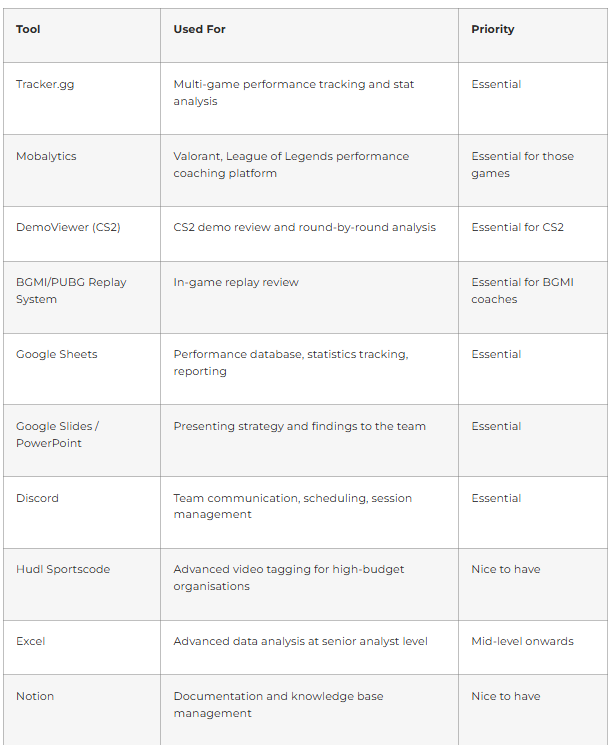
The tools that matter most at entry level are the ones every team already uses: Tracker.gg for stats, Google Sheets for data, and the in-game replay system for the specific game you are coaching. Master these before investing time in advanced platforms.
Salary Benchmarks: What Coaches and Analysts Earn in India
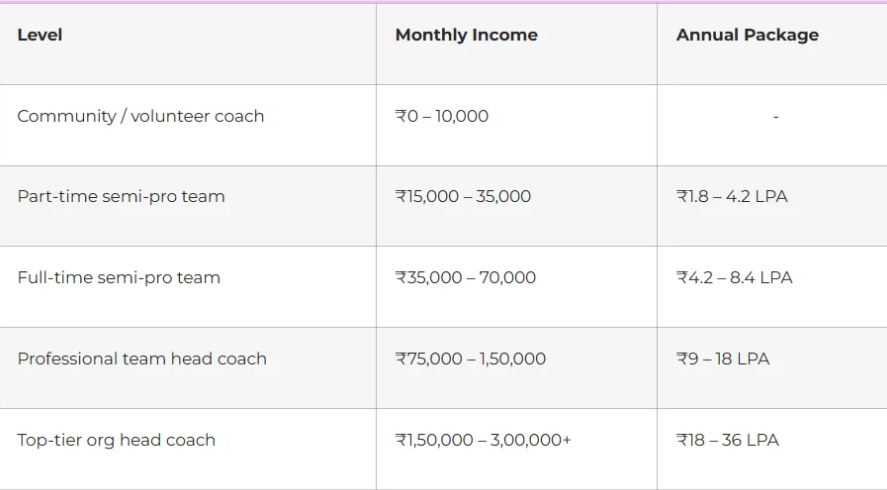
Esports Coach Salaries:
Esports Analyst Salaries:
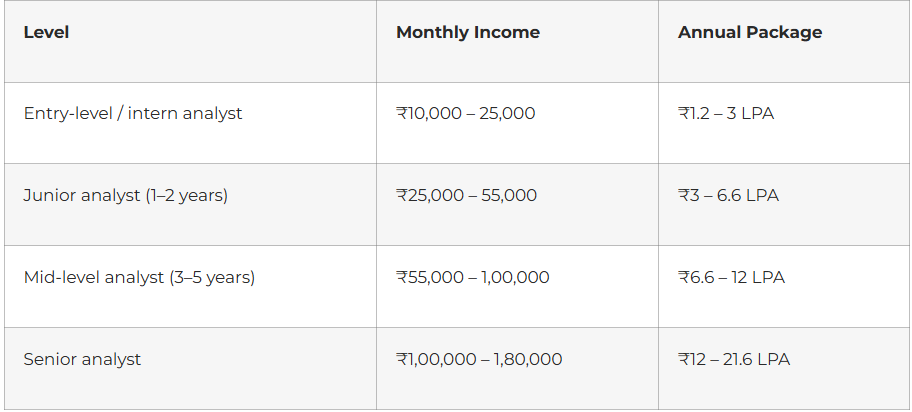
These figures reflect the current state of Indian esports a market that is professionalising but where salary standards are still being established. Salaries at international esports organisations operating in India (ESL, BLAST) trend 30–50% higher than at domestic organisations at equivalent experience levels.
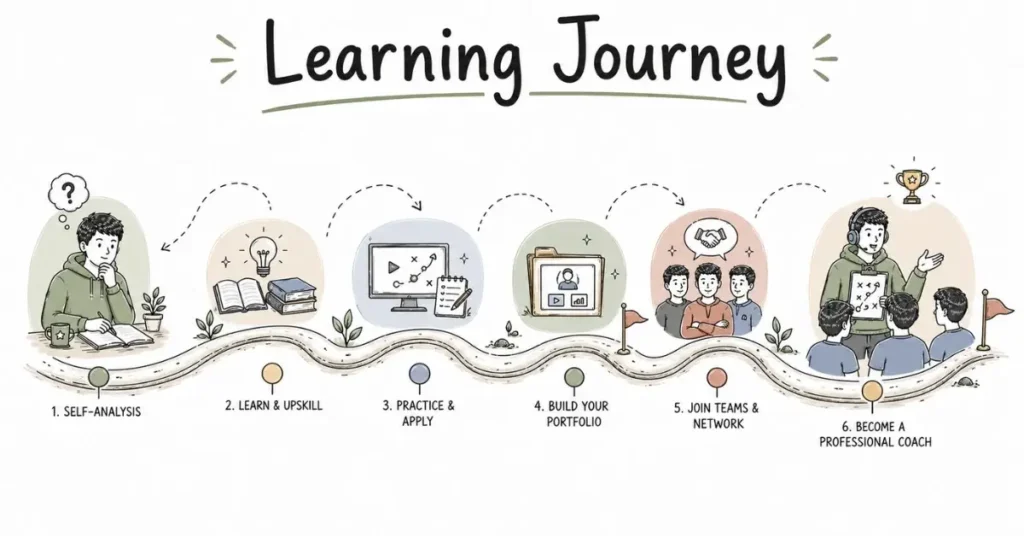
Step-by-Step Roadmap: From Competitive Player to Paid Coach
Month 1–2: Build your analytical foundation
Start treating your own gameplay as data. After every session, write a 200-word reflection: what decisions did you make correctly, what decisions were wrong, and specifically why. Do not just note that you lost note which moment in the game turned against you and what decision caused it.
Begin creating content around your analysis. A short YouTube video or Twitter thread breaking down a specific mechanic or strategic decision in your game builds your public credibility as someone who thinks analytically not just plays.
Month 3–4: Start coaching for free
Find players or small teams in your game’s Discord community who are actively trying to improve. Offer free VOD review sessions. Use a screen-sharing call, walk through specific moments in their gameplay, and give structured feedback.
Document every session. After each coaching relationship ends, write a brief summary: what the player’s issues were, what you worked on, what improved. Even informal documentation creates a portfolio.
Month 5–6: Build a coaching portfolio
By this point you should have coached three to five players or teams. Compile your results: rank improvements, tournament placements, specific metrics that changed. Create a simple one-page coaching portfolio a PDF or Notion page that presents this evidence clearly.
Add any public analytical content you have created: YouTube videos, Twitter/X threads, Reddit posts. This content serves as proof that you understand the game at a depth beyond playing it.
Month 7–9: Approach semi-professional teams
Semi-professional esports teams in India those competing in regional qualifiers and online leagues but not yet at the tier-1 level frequently need coaching and analytical support but cannot afford experienced professionals. Approach them with your portfolio and offer a trial period.
Find them through:
- Game-specific Discord servers for BGMI, Valorant, CS2
- Battlefy and Toornament team listings from recent tournaments
- Direct outreach to teams you have watched compete in regional events
Month 10–12: Build toward professional organisations
After one completed stint with a semi-pro team, you have the foundation to apply for roles at professional organisations. NODWIN Gaming, GodLike, Velocity Gaming, Orangutan, and S8UL all hire coaching and analyst staff. Your application should include your coaching portfolio, results with your semi-pro team, and any public analytical content.
The Interview Process at Professional Esports Organisations
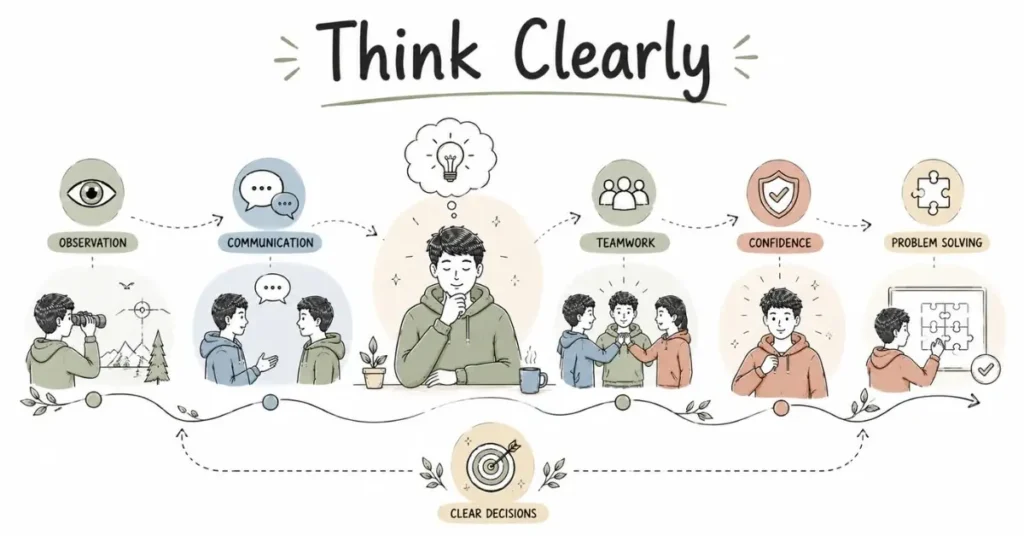
Coaching and analyst interviews typically involve:
A game knowledge test: The hiring manager will present a specific scenario a match situation, a team’s replay, a statistical output and ask you to analyse it. They want to see how you think, not just what you know.
A communication test: You will be asked to explain a complex tactical concept simply as if presenting it to a player who is hearing it for the first time. Coaches who communicate clearly under interview conditions demonstrate they can communicate clearly in a real coaching session.
A culture fit conversation: Esports teams are small, high-pressure environments. Hiring managers look carefully for emotional maturity, the ability to handle conflict, and the humility to acknowledge gaps in your own knowledge. Overconfidence is one of the most common reasons coaching candidates are rejected despite strong game knowledge.
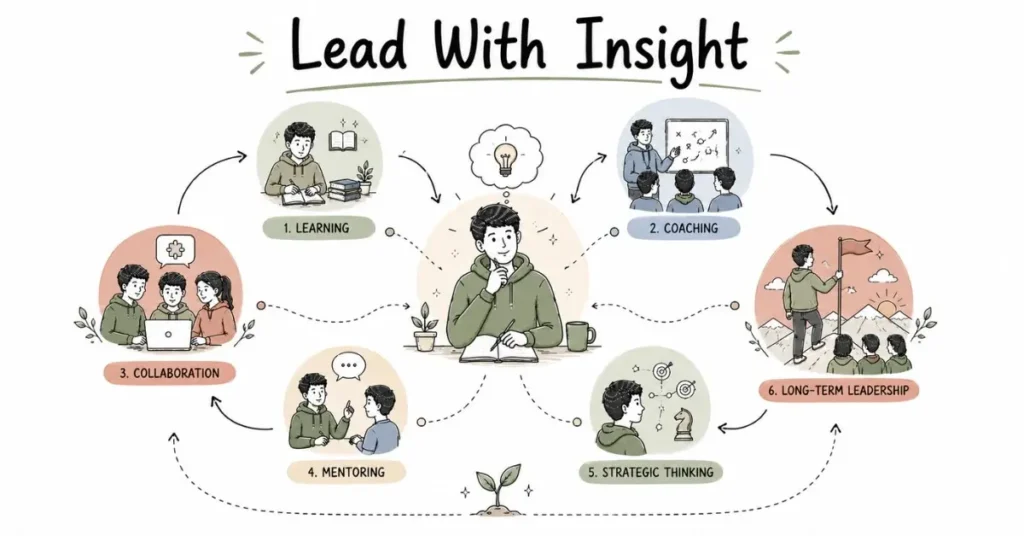
The Biggest Mistake Aspiring Coaches Make
They wait until they feel qualified before starting.
Coaching like most performance-based careers is built by doing, not by preparing to do. Every experienced coach in India started by working with players less skilled than them, making mistakes in low-stakes environments, and learning from those mistakes iteratively.
The instinct to wait until you have a certificate, a completed course, or formal recognition before calling yourself a coach is understandable. It is also the thing that keeps most aspiring coaches permanently in the “aspiring” phase.
Start coaching someone this week. It does not matter that you are not perfect at it yet. The coach you will be in 12 months is built entirely from the experience you start accumulating today.