
Green Supply Chain Careers : Sustainability & ESG Guide
Table of Contents
Introduction: When Purpose Meets Profit
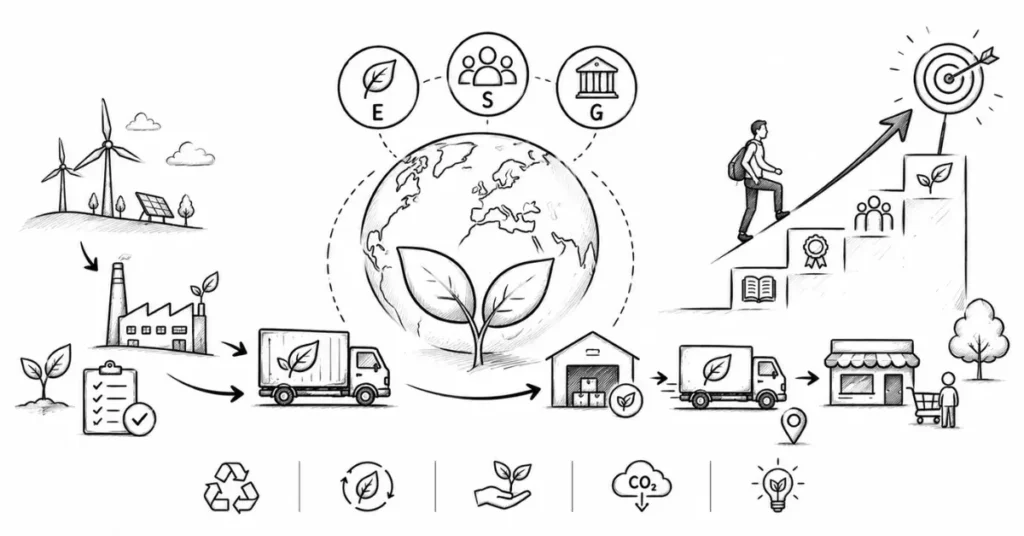
“I want a career that makes a difference.”
This sentiment is reshaping the supply chain profession. A new generation of professionals doesn’t just want a good salary and stable job—they want work that contributes to solving global challenges. Climate change. Resource depletion. Pollution. Social inequality.
Here’s the exciting reality: You no longer have to choose between a successful supply chain career and making positive environmental and social impact. Sustainable supply chain management—also called green supply chain or ESG (Environmental, Social, Governance) supply chain—is one of the fastest-growing specializations, offering both purpose and excellent career prospects.
Companies aren’t pursuing sustainability just because it’s “the right thing to do.” They’re doing it because:
- Investors demand it: ESG scores impact valuations and access to capital
- Customers expect it: Consumers, especially younger ones, prefer sustainable brands
- Regulations require it: Governments implementing carbon reporting, extended producer responsibility
- Cost savings result: Energy efficiency, waste reduction, and circular economy drive profitability
- Risk mitigation: Climate change poses real supply chain threats
This creates substantial career opportunities for professionals who understand both supply chain operations AND sustainability principles. Companies are hiring sustainability managers, circular economy specialists, carbon reduction experts, and green logistics professionals—paying premium salaries for this emerging expertise.
If you’re passionate about environment and social impact while building a lucrative supply chain career, this guide shows you exactly how.
PART 1: UNDERSTANDING SUSTAINABLE SUPPLY CHAIN MANAGEMENT
What is Sustainable Supply Chain Management?
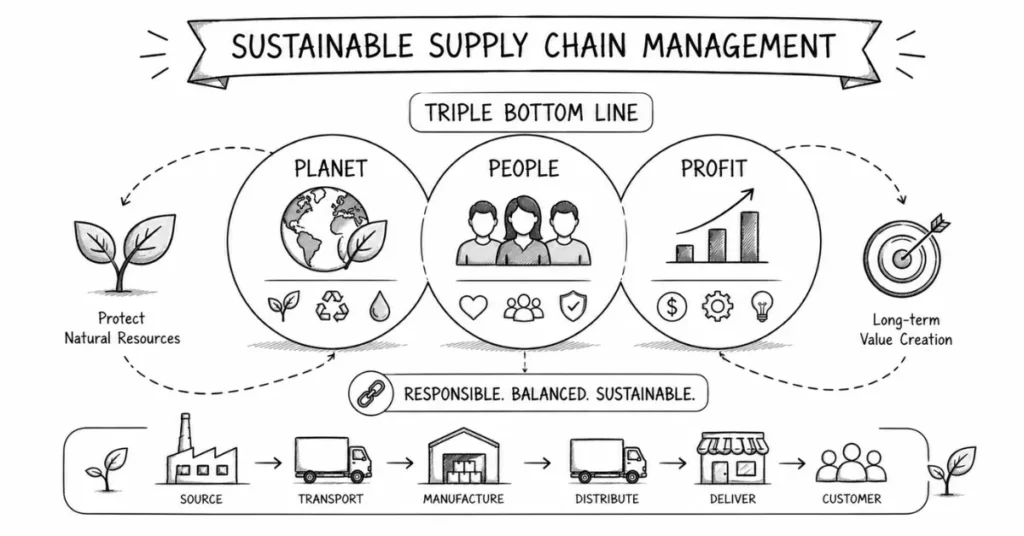
Simple Definition:
Managing supply chain operations to minimize negative environmental and social impacts while maintaining economic viability—balancing planet, people, and profit (the “triple bottom line”).
Three Pillars:
Environmental Sustainability:
- Reducing carbon emissions and greenhouse gases
- Minimizing waste and pollution
- Conserving natural resources (water, energy, raw materials)
- Protecting biodiversity and ecosystems
- Circular economy principles (reduce, reuse, recycle)
Social Sustainability:
- Fair labor practices (no child labor, forced labor)
- Safe working conditions
- Fair wages and benefits
- Diversity and inclusion
- Community development and impact
- Human rights throughout supply chain
Economic Sustainability:
- Long-term financial viability
- Efficient resource utilization
- Innovation and competitive advantage
- Stakeholder value creation
- Resilience and risk management
Why Sustainability Matters in Supply Chains
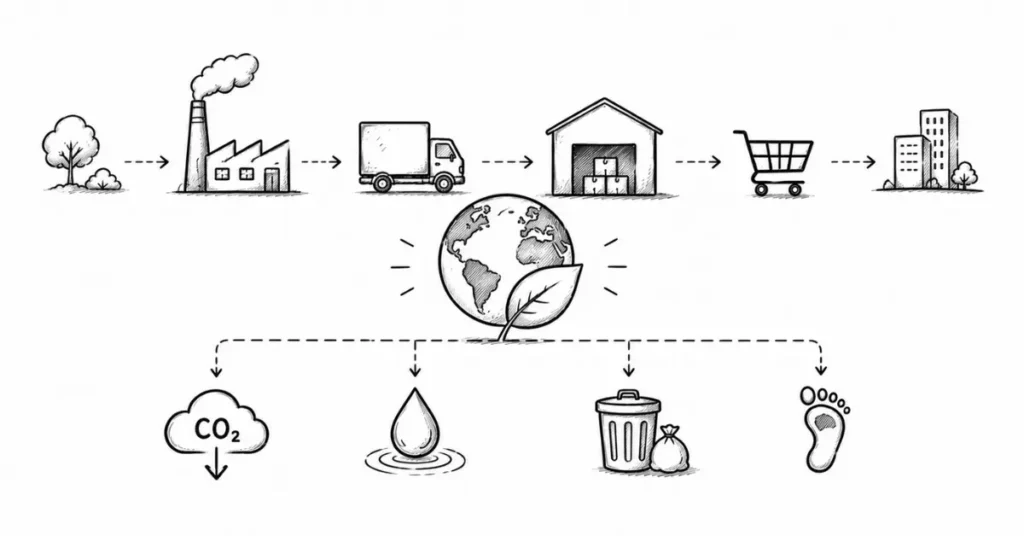
The Scale of Impact:
Supply chains represent 90% of most companies’ environmental footprint. A company may have green offices and electric vehicle fleets, but if suppliers burn coal, transport products inefficiently, or create mountains of packaging waste—the company’s true environmental impact is massive.
Key Statistics:
- Logistics and transportation account for 8% of global greenhouse gas emissions
- Supply chains consume 60% of global water resources
- 80% of product environmental impact determined at design and sourcing stages
- $12 trillion market opportunity in sustainable business models by 2030
Regulatory Pressure:
India and global markets implementing:
- Mandatory carbon reporting requirements
- Extended Producer Responsibility (EPR) regulations
- Plastic waste management rules
- Energy efficiency standards
- Sustainable sourcing requirements
Business Case:
Studies show sustainable supply chains deliver:
- 16% lower logistics costs on average
- 50% less waste in operations
- Better employee retention (purpose-driven work)
- Premium pricing potential (sustainable products)
- Lower risk (regulatory compliance, reputation protection)
PART 2: KEY SUSTAINABLE SUPPLY CHAIN ROLES
1. Sustainability Manager (Supply Chain)
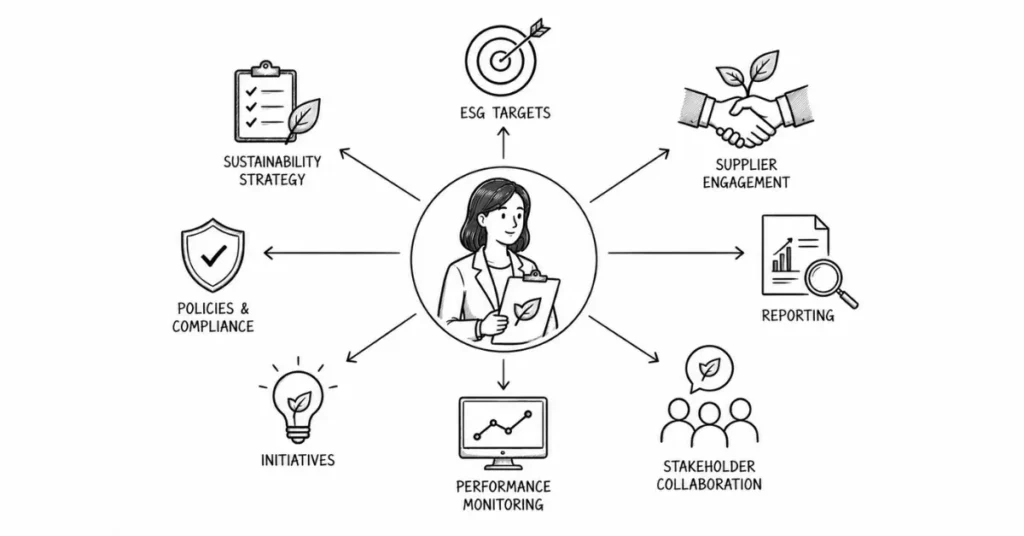
Core Responsibilities:
- Develop and implement supply chain sustainability strategy
- Set environmental targets (carbon reduction, waste reduction, water conservation)
- Measure and report sustainability metrics (carbon footprint, energy use, waste)
- Drive circular economy initiatives
- Coordinate with procurement on sustainable sourcing
- Engage suppliers on sustainability improvements
- Report ESG performance to leadership and external stakeholders
- Ensure compliance with environmental regulations
- Lead sustainability projects (renewable energy, packaging reduction)
Required Skills:
- Supply chain operations knowledge (deep domain expertise)
- Sustainability frameworks (GRI, CDP, SASB, TCFD)
- Environmental science fundamentals
- Carbon accounting and life cycle assessment (LCA)
- Data analysis and sustainability metrics
- Stakeholder engagement and influence
- Project management
- Change management
Typical Background:
- 5-10 years supply chain or operations experience
- Sustainability education or certifications
- Engineering or environmental science background helpful
- May transition from traditional supply chain roles with sustainability passion
Salary Range: ₹12-24 lakhs (experienced sustainability managers at large corporates: ₹22-35 lakhs)
Career Path:
Supply Chain Manager → Sustainability Coordinator → Sustainability Manager → Head of Sustainable Supply Chain → VP Sustainability/CSCO
Best Industries:
- FMCG (HUL, ITC focusing heavily on sustainability)
- Fashion and apparel (high environmental scrutiny)
- Automotive (electric vehicles, sustainable manufacturing)
- Retail (Reliance, Future Group)
- Technology companies (Apple, Google-type companies)
2. Carbon Reduction / Climate Specialist
Core Responsibilities:
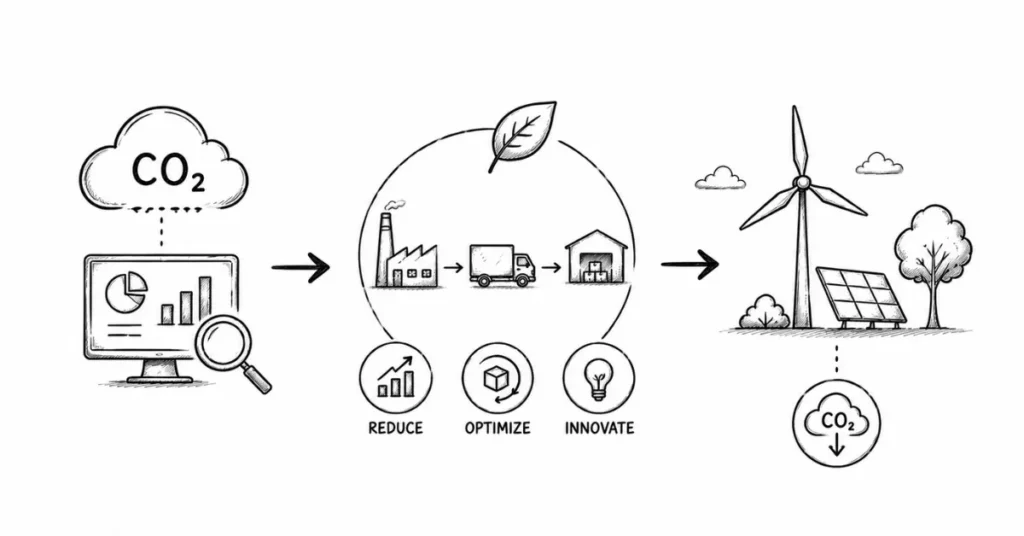
- Calculate organizational carbon footprint (Scope 1, 2, 3 emissions)
- Develop decarbonization roadmaps and targets
- Identify carbon reduction opportunities across supply chain
- Implement renewable energy projects
- Design carbon offset and neutrality strategies
- Track and report climate-related metrics
- Stay current on climate regulations and policies
- Support climate risk assessments
Required Skills:
- Carbon accounting methodologies (GHG Protocol)
- Energy management and renewable energy technologies
- Climate science understanding
- Data analysis and emissions modeling
- Supply chain transportation and logistics knowledge
- Financial analysis (ROI of carbon reduction projects)
- Regulatory compliance
Typical Background:
- Environmental science, engineering, or sustainability degree
- Climate/energy certifications (ISO 14064, GHG certifications)
- 3-7 years experience in sustainability or energy management
- Growing entry from supply chain backgrounds with climate training
Salary Range: ₹10-20 lakhs (senior climate specialists: ₹20-32 lakhs)
Growth Outlook: Explosive. Carbon regulations accelerating globally; companies desperately need carbon expertise.
3. Circular Economy Specialist
Core Responsibilities:
- Design circular business models (product-as-a-service, take-back programs)
- Develop reverse logistics and recycling programs
- Identify opportunities for waste valorization (turning waste into value)
- Redesign products/packaging for circularity
- Establish refurbishment and remanufacturing operations
- Build partnerships with recycling and waste management companies
- Track circular economy metrics (material circularity, waste diversion)
Required Skills:
- Circular economy principles and frameworks
- Reverse logistics and recycling operations
- Product design and packaging knowledge
- Business model innovation
- Partnership development
- Financial modeling (circular model economics)
Typical Background:
- Industrial engineering or sustainability background
- Experience in operations, product development, or supply chain
- 4-8 years experience
- Passion for waste reduction and resource efficiency
Salary Range: ₹11-22 lakhs (senior roles: ₹22-30 lakhs)
Emerging Opportunity: Circular economy relatively new in India but growing rapidly. Early expertise creates competitive advantage.
Best For: Creative thinkers who enjoy innovation, designing new systems, and challenging traditional linear models.
4. Sustainable Procurement / Sourcing Manager
Core Responsibilities:
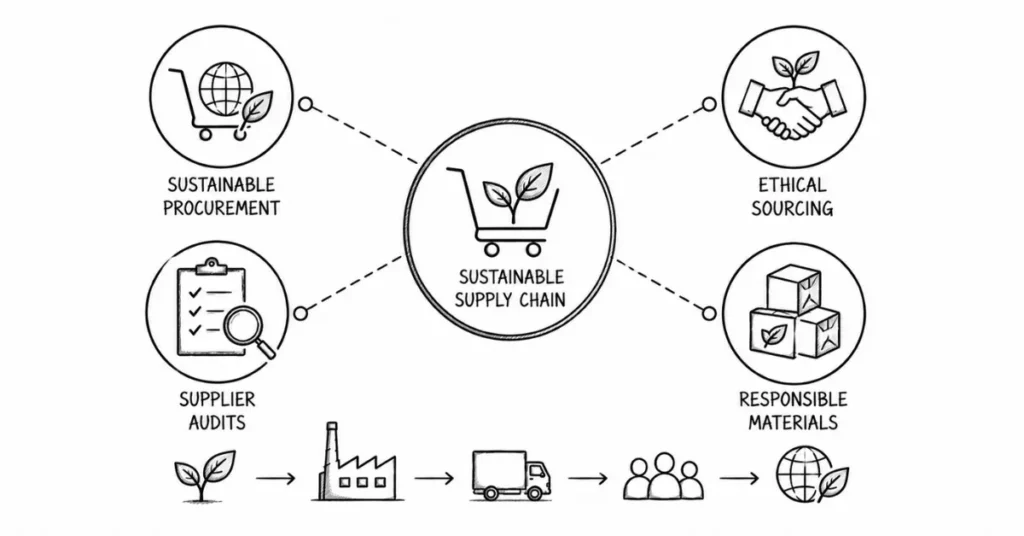
- Develop sustainable sourcing policies and standards
- Assess supplier environmental and social performance
- Conduct supplier sustainability audits
- Source eco-friendly materials and products
- Implement responsible sourcing programs (conflict minerals, fair trade)
- Drive supplier sustainability improvements
- Manage certifications (FSC, Fairtrade, organic, etc.)
- Balance cost, quality, sustainability trade-offs
Required Skills:
- Procurement and sourcing expertise
- Supplier assessment and audit techniques
- Sustainability standards and certifications
- Negotiation (including sustainability criteria)
- Supply chain transparency and traceability
- Ethical sourcing principles
Typical Background:
- 5-10 years procurement experience
- Transition from traditional procurement with sustainability training
- Sustainability or ethics background moving into procurement
Salary Range: ₹13-24 lakhs (senior sustainable sourcing leaders: ₹25-38 lakhs)
High Value Sectors:
- Fashion (cotton sourcing, labor practices scrutiny)
- Food and beverage (organic, fair trade, sustainable agriculture)
- Electronics (conflict minerals, e-waste)
- Pharmaceutical (sustainable active ingredients)
5. Green Logistics Manager
Core Responsibilities:
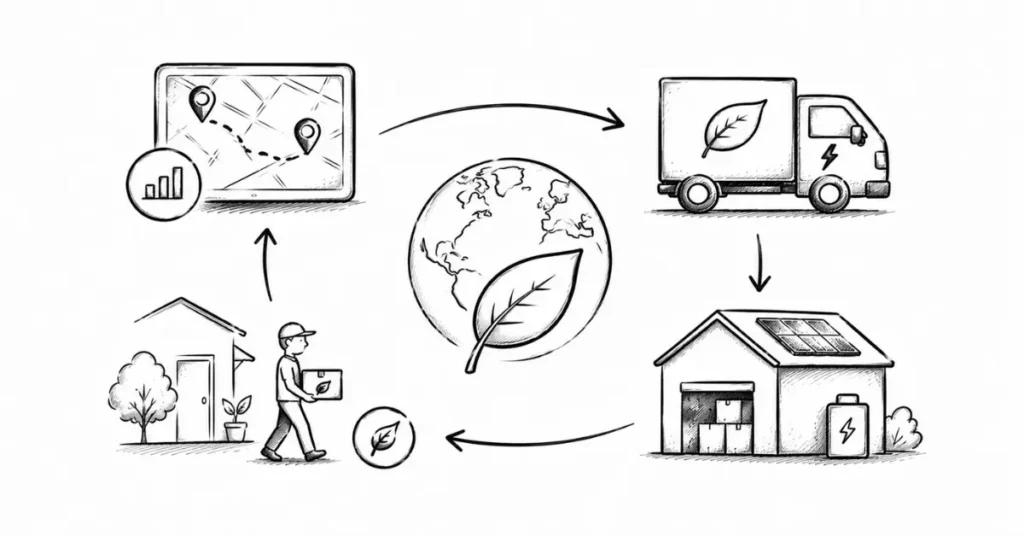
- Optimize transportation for fuel efficiency and emission reduction
- Implement alternative fuel vehicles (electric, CNG, hydrogen)
- Design efficient distribution networks minimizing distance traveled
- Develop sustainable packaging strategies
- Reduce logistics waste (packaging materials, pallets)
- Measure and report transportation emissions
- Partner with green logistics providers
- Implement warehouse energy efficiency (solar panels, LED lighting, automation)
Required Skills:
- Logistics and transportation management
- Fleet management and alternative fuel technologies
- Network optimization and route planning
- Warehouse operations and energy management
- Environmental metrics and reporting
- Cost-benefit analysis (green investments)
Typical Background:
- Logistics or transportation management experience (5-10 years)
- Sustainability training or passion
- Operations or industrial engineering background
Salary Range: ₹12-22 lakhs (senior green logistics directors: ₹22-35 lakhs)
Key Trends:
- Electric vehicle (EV) adoption in logistics fleets
- Last-mile delivery optimization (route efficiency)
- Warehouse solar installations
- Sustainable packaging innovations
6. ESG Compliance & Reporting Manager
Core Responsibilities:
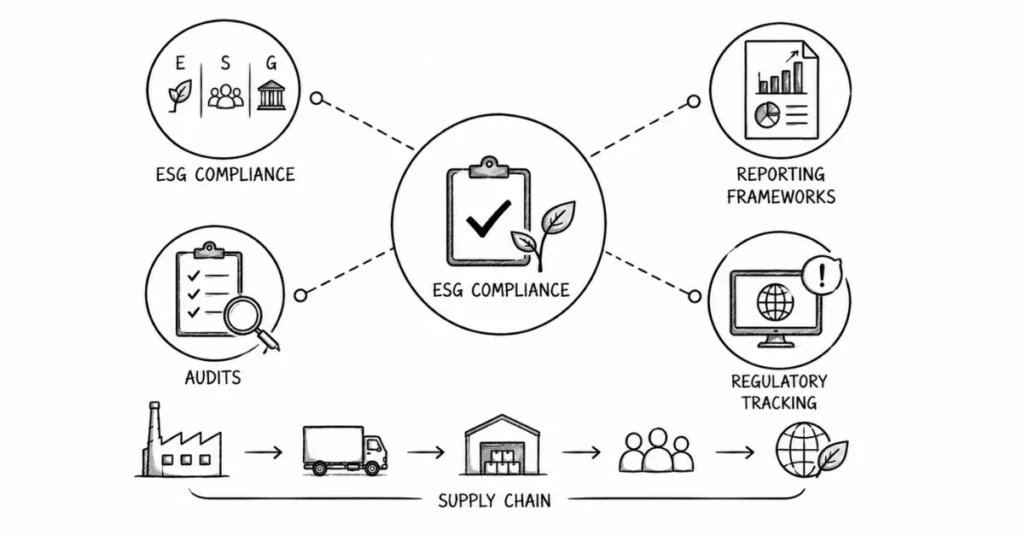
- Ensure compliance with environmental regulations (waste, emissions, water)
- Manage ESG reporting (CDP, GRI, SASB frameworks)
- Prepare sustainability reports and disclosures
- Coordinate ESG audits and certifications
- Track regulatory changes and assess impacts
- Support ESG ratings and investor queries
- Manage data collection systems for ESG metrics
- Liaise with legal and compliance teams
Required Skills:
- ESG frameworks and reporting standards
- Regulatory compliance knowledge
- Data management and reporting systems
- Stakeholder communication
- Audit preparation and management
- Supply chain operations understanding
Typical Background:
- Compliance, audit, or sustainability background
- 4-8 years experience
- Strong attention to detail and documentation
- May transition from quality or regulatory roles
Salary Range: ₹10-20 lakhs (senior ESG managers: ₹20-30 lakhs)
Demand Drivers:
- Listed companies face mandatory ESG disclosure requirements
- Investor pressure for ESG transparency
- Rating agencies (MSCI, Sustainalytics) evaluating companies
- Growing shareholder activism
7. Supply Chain Sustainability Analyst
Core Responsibilities:
- Collect and analyze sustainability data (emissions, energy, waste, water)
- Calculate carbon footprints and environmental impacts
- Create sustainability dashboards and reports
- Conduct life cycle assessments (LCA)
- Benchmark sustainability performance
- Support sustainability strategy with data insights
- Track progress against sustainability targets
- Provide analytical support for sustainability projects
Required Skills:
- Data analysis (Excel, SQL, Python helpful)
- Sustainability metrics and calculations
- Visualization tools (Tableau, Power BI)
- Life cycle assessment (LCA) software
- Supply chain knowledge
- Attention to detail and accuracy
Typical Background:
- Entry to mid-level (0-5 years)
- Engineering, environmental science, or data analytics background
- Supply chain analyst transitioning to sustainability focus
- Fresh graduates with sustainability passion
Salary Range: ₹5-12 lakhs (senior analysts: ₹12-18 lakhs)
Growth Path: Excellent entry point into sustainable supply chain careers. Develop analytical skills + sustainability expertise, then advance to manager roles.
PART 3: SKILLS FOR SUSTAINABLE SUPPLY CHAIN CAREERS
Technical Skills
Sustainability Frameworks & Standards:
- GRI (Global Reporting Initiative): Sustainability reporting framework
- CDP (Carbon Disclosure Project): Climate and environmental disclosure
- SASB (Sustainability Accounting Standards Board): Industry-specific standards
- TCFD (Task Force on Climate-related Financial Disclosures): Climate risk reporting
- ISO 14001: Environmental management systems
- Science-Based Targets (SBTi): Carbon reduction target setting
Environmental Metrics & Measurement:
- Carbon accounting (GHG Protocol, Scope 1/2/3 emissions)
- Life Cycle Assessment (LCA)
- Water footprint calculation
- Waste measurement and tracking
- Energy efficiency metrics
- Circular economy metrics (material circularity indicator)
Sustainability Tools & Software:
- Carbon management platforms (Watershed, Persefoni, Sphera)
- LCA software (SimaPro, GaBi)
- Sustainability reporting platforms
- Data analytics tools
- Supply chain transparency platforms (EcoVadis, Sedex)
Supply Chain Knowledge:
- Deep understanding of supply chain operations
- Procurement and supplier management
- Logistics and transportation
- Manufacturing processes
- Product design and packaging
Regulatory Knowledge:
- Environmental regulations (India and global)
- Extended Producer Responsibility (EPR)
- Plastic waste management rules
- Carbon pricing and trading schemes
- International standards (EU regulations, US EPA)
Soft Skills
- Stakeholder Engagement:
Sustainability requires influencing diverse stakeholders—suppliers, customers, employees, investors, regulators, NGOs. Strong communication and relationship building essential. - Change Management:
Driving sustainability means changing established practices. Requires patience, persistence, and ability to build buy-in. - Systems Thinking:
Understanding interconnections—how supply chain decisions impact environment, how environmental changes impact business, balancing competing objectives. - Business Acumen:
Making sustainability financially viable. Understanding ROI, cost-benefit analysis, connecting environmental goals to business outcomes. - Passion & Resilience:
Sustainability work can be frustrating—progress is slow, resistance exists, challenges are complex. Genuine passion sustains motivation.
PART 4: HOW TO ENTER SUSTAINABLE SUPPLY CHAIN CAREERS
Path 1: From Traditional Supply Chain Roles
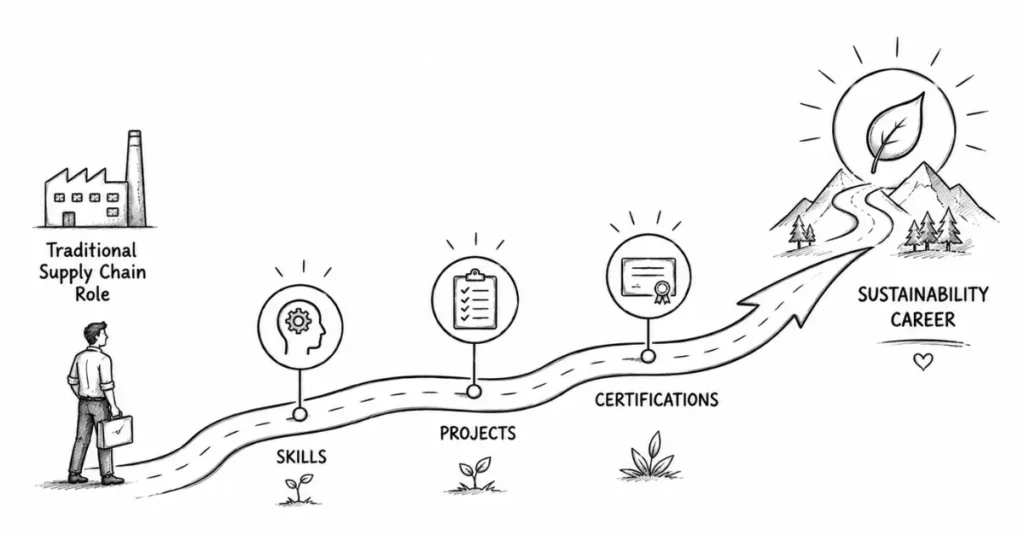
Most Common Transition:
Starting Point: Supply chain analyst, manager, procurement, logistics professional (3-7 years experience)
Transition Strategy:
Build sustainability knowledge:
- Online courses (Coursera: Sustainable Supply Chain, Yale Climate Change)
- Certifications (see below)
- Read sustainability reports from leading companies
- Follow sustainability thought leaders
Volunteer for sustainability projects at current company:
- Join green teams or sustainability committees
- Propose sustainability improvements in your area
- Support sustainability reporting efforts
- Lead pilot projects (packaging reduction, waste minimization)
Develop relevant skills:
- Learn carbon accounting
- Understand ESG frameworks
- Practice sustainability metric calculations
- Build data analysis capabilities
Reposition your resume:
- Highlight any sustainability-related achievements
- Frame experience through sustainability lens
- Add sustainability certifications and training
- Show passion through volunteer work or projects
Target transition roles:
- Internal transfer to sustainability team
- Hybrid roles (supply chain manager with sustainability KPIs)
- Sustainability coordinator/analyst positions
- Consulting firms specializing in sustainable supply chains
Timeline: 1-2 years to build credentials and make transition
Path 2: Fresh Graduate / Early Career Entry
Direct Entry Strategy:
Education:
- Bachelor’s in Environmental Science/Engineering + supply chain minor
- Supply Chain Management degree with sustainability focus
- MBA with sustainability specialization
Entry Roles:
- Sustainability Analyst
- ESG Reporting Coordinator
- Circular Economy Associate
- Green Logistics Coordinator
Internships:
Target companies with strong sustainability programs:
- FMCG (Unilever, ITC, Nestlé)
- Fashion (H&M, Patagonia-type companies)
- Consulting (Deloitte, EY sustainability practices)
Build Portfolio:
- University sustainability projects
- Personal carbon footprint reduction project
- Volunteer with environmental NGOs
- Write about sustainability topics (LinkedIn, Medium)
Path 3: From Environmental/Sustainability Backgrounds
Alternative Entry:
Starting Point: Environmental engineering, NGO work, sustainability consulting, CSR roles
What You Need:
Strong sustainability knowledge but need supply chain credibility
Transition Strategy:
Gain supply chain operations understanding:
- Supply chain courses or certifications (APICS CSCP)
- Rotations or projects in operations
- Learn ERP systems and supply chain software
Bridge expertise:
- Position as “sustainability professional who understands operations”
- Target roles requiring both skill sets
- Consider supply chain consulting as bridge
Leverage unique combination:
- Environmental expertise + willingness to learn operations = valuable
- Many companies need this profile but can’t find it
PART 5: CERTIFICATIONS & EDUCATION
Sustainability Certifications
LEED Certification (Green Building):
- Relevant for warehouse/facility sustainability
- LEED Green Associate or LEED AP
- Cost: ₹25,000-50,000
- Value: Moderate for supply chain; high for facilities management
ISO 14001 Lead Auditor:
- Environmental management systems
- Cost: ₹30,000-60,000
- Value: Good for compliance-focused roles
GHG Inventory Professional:
- Carbon accounting certification
- Cost: ~₹50,000
- Value: High for carbon/climate specialist roles
CPSM with Sustainability Module (ISM):
- Sustainable procurement focus
- Cost: ₹1-1.5 lakhs
- Value: Good for sustainable sourcing roles
Circular Economy Certifications:
- Various online programs (Ellen MacArthur Foundation)
- Cost: Free to ₹20,000
- Value: Growing importance
Academic Programs
MBA with Sustainability:
- IIM Lucknow (offers sustainability courses)
- ISB (sustainability electives)
- International programs (many European B-schools strong in sustainability)
Master’s in Sustainability:
- TERI University
- Various international universities
- Cost: ₹5-30 lakhs (India), higher internationally
Online Courses:
- Coursera: Sustainable Supply Chain (Rutgers), Sustainability Strategy (Harvard)
- edX: Circular Economy (TU Delft), Climate Change (MIT)
- Cost: ₹3,000-15,000 per course
1. Structural Engineering: Designing What Stands
Salary Ranges
Experience | Role | Salary Range |
0-3 years | Sustainability Analyst | ₹5-10 lakhs |
3-6 years | Sustainability Coordinator | ₹9-16 lakhs |
6-10 years | Sustainability Manager | ₹15-26 lakhs |
10-15 years | Head of Sustainability | ₹25-40 lakhs |
15+ years | VP Sustainability / Chief Sustainability Officer | ₹40-70 lakhs |
Industry Variations:
- Listed companies pay premium (ESG reporting requirements)
- FMCG and consumer brands pay well (brand reputation value)
- Fashion industry competitive (sustainability scrutiny)
- Startups may pay lower but offer equity
Reality Check:
Sustainable supply chain roles currently pay 5-15% less than equivalent traditional supply chain roles at mid-levels, but this gap is closing rapidly. At senior levels (Head of Sustainability, CSO), compensation is competitive or exceeds traditional supply chain leadership.
Career Growth Outlook
Market Demand (2026-2030):
- Explosive growth: 20-25% annual increase in sustainability roles
- Every major company building or expanding sustainability teams
- Consulting demand surging (companies need external expertise)
- Government and NGO opportunities expanding
Drivers:
- Mandatory ESG reporting requirements (India and globally)
- Investor pressure (ESG funds controlling trillions)
- Consumer preferences (especially Gen Z, Millennials)
- Climate regulations (carbon pricing, emissions limits)
- Resource scarcity driving circular economy adoption
Job Security:
Very high. Sustainability is permanent shift, not temporary trend. Once companies invest in sustainability infrastructure, they need ongoing management.
PART 7: IS SUSTAINABLE SUPPLY CHAIN RIGHT FOR YOU?
This Career Path is Ideal If You:
✅ Care deeply about environmental and social issues
✅ Want work with purpose beyond profit
✅ Enjoy complexity and systems thinking
✅ Have patience (sustainability progress is slow)
✅ Like influencing and changing systems
✅ Comfortable with ambiguity (emerging field)
✅ Excited about innovation and new business models
✅ Want to be at forefront of industry transformation
Consider Alternatives If You:
❌ Primarily motivated by maximizing short-term compensation
❌ Prefer clear, established career paths
❌ Get frustrated by slow progress
❌ Skeptical about climate change or sustainability importance
❌ Prefer purely operational/tactical work
❌ Want immediate, tangible results daily
Final Thoughts: Build the Future You Want to See
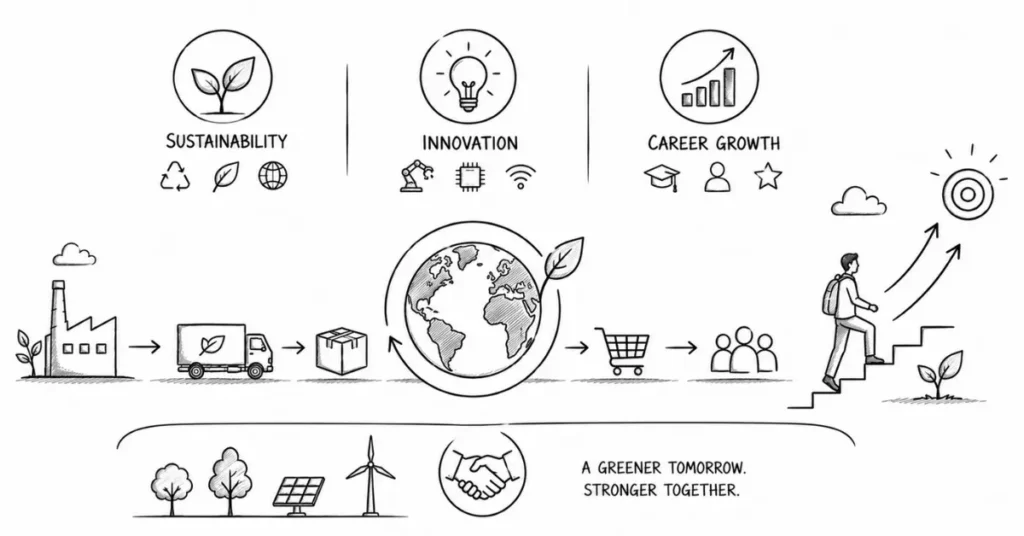
Sustainable supply chain careers offer rare combination: meaningful work that tackles global challenges PLUS excellent career prospects and compensation.
The transition to sustainable business isn’t optional—it’s inevitable. Climate change, resource scarcity, and stakeholder pressure guarantee that every company will need sustainability expertise. The question is whether you position yourself now to capitalize on this massive opportunity.
Your Next Steps:
- Assess genuine interest: Do environmental/social issues truly motivate you?
- Build knowledge: Start learning sustainability frameworks and metrics
- Gain experience: Volunteer for sustainability projects at work
- Network: Connect with sustainability professionals (LinkedIn, conferences)
- Pursue education: Relevant certifications or courses
- Position yourself: Update resume highlighting sustainability interests
- Target opportunities: Apply for sustainability-focused roles
The supply chain professionals who combine operational excellence with sustainability expertise will lead the next generation of supply chain innovation. This is your opportunity to build not just a successful career, but one that contributes to solving humanity’s greatest challenges.
The future of supply chain is green. Will you lead it?