
Salary Guide & Compensation
Table of Contents
1. Setting Realistic Expectations
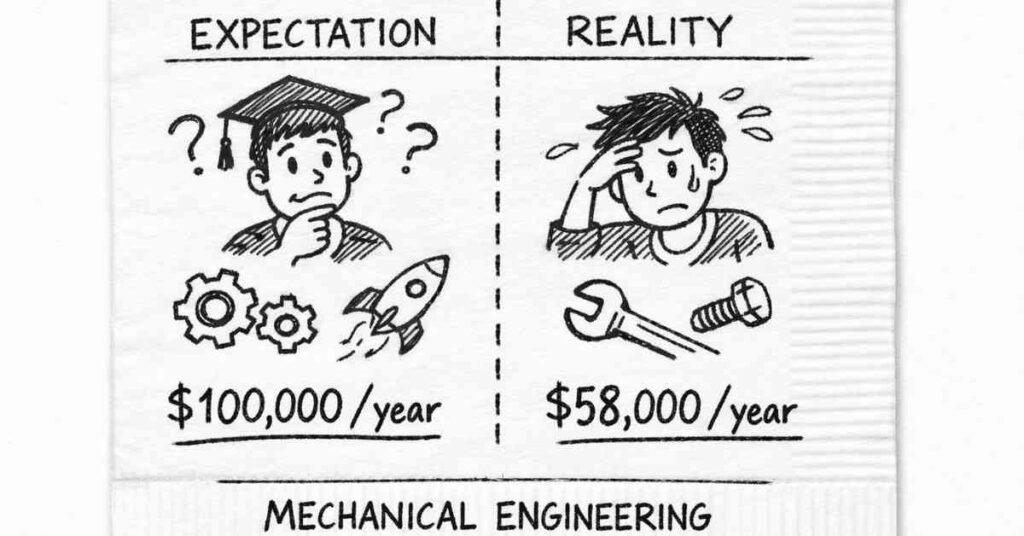
Let’s be honest about salaries in mechanical engineering in India.
Reality check:
- Mechanical engineering starting salaries are generally lower than IT/software roles.
- However, with the right specialization and 5–7 years of experience, mechanical engineers earn very competitively.
- Top performers in niche areas (aerospace, automation, oil & gas, senior design) can earn ₹20–40+ LPA.
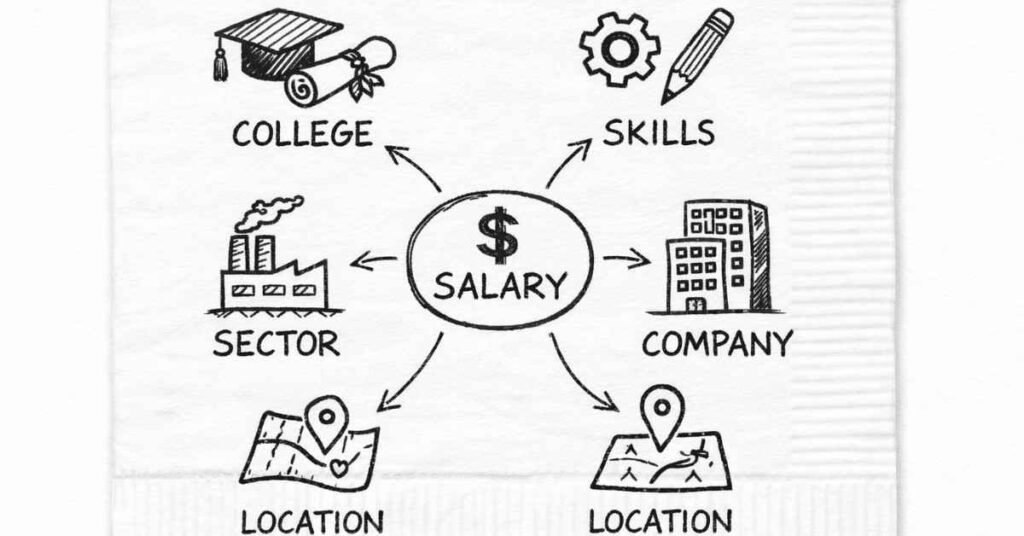
Salary depends on many factors:
- Your college (IIT/NIT vs Tier‑3).
- Your specialization and skills (CAD expert vs generalist).
- Sector (oil & gas pays more than general manufacturing).
- Company type (MNC vs local small firm).
- Location (Bangalore/Pune vs small town).
Your negotiation skills and career moves.
2. Entry‑Level Salaries (0–2 Years Experience)
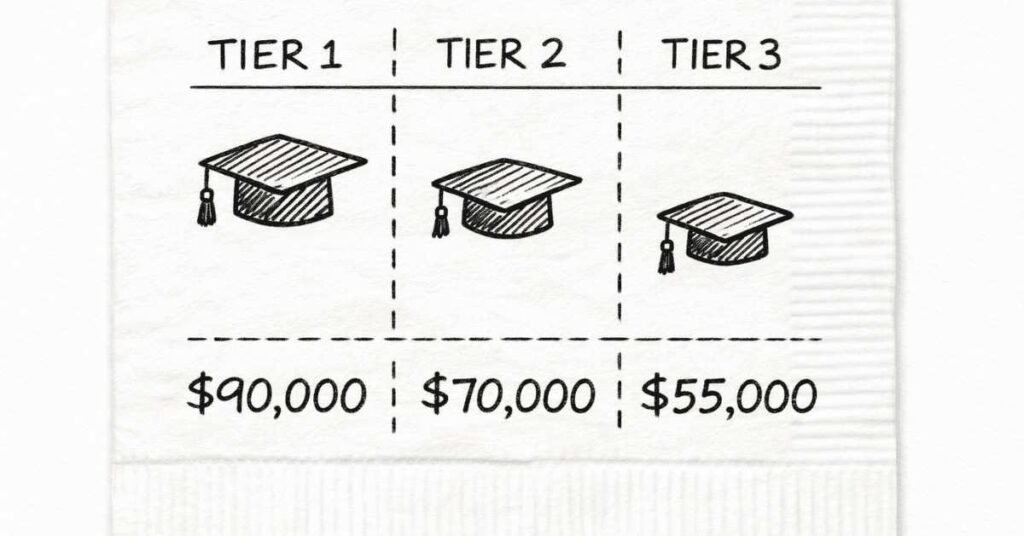
Typical Fresher Ranges by College Tier
Tier‑1 (IITs, Top NITs, BITS Pilani):
- Core companies: ₹6–12 LPA.
- Top recruiters (consultancies, some MNCs): ₹12–20 LPA.
- Exceptional cases (analytics firms, quant roles): ₹25+ LPA (rare for pure mechanical roles).
Tier‑2 (Good State Colleges, Mid‑Tier NITs, Strong Private):
- ₹4–7 LPA in decent companies.
- ₹3–4 LPA in mass recruiters or smaller firms.
Tier‑3 (Most Private Engineering Colleges):
- ₹2.5–4 LPA if placed on campus.
- Many students struggle to get campus placement and start with ₹2–3 LPA off‑campus.
Diploma Holders:
- ₹2–3.5 LPA as technicians or junior engineers.
By Sector (Fresher Salaries)
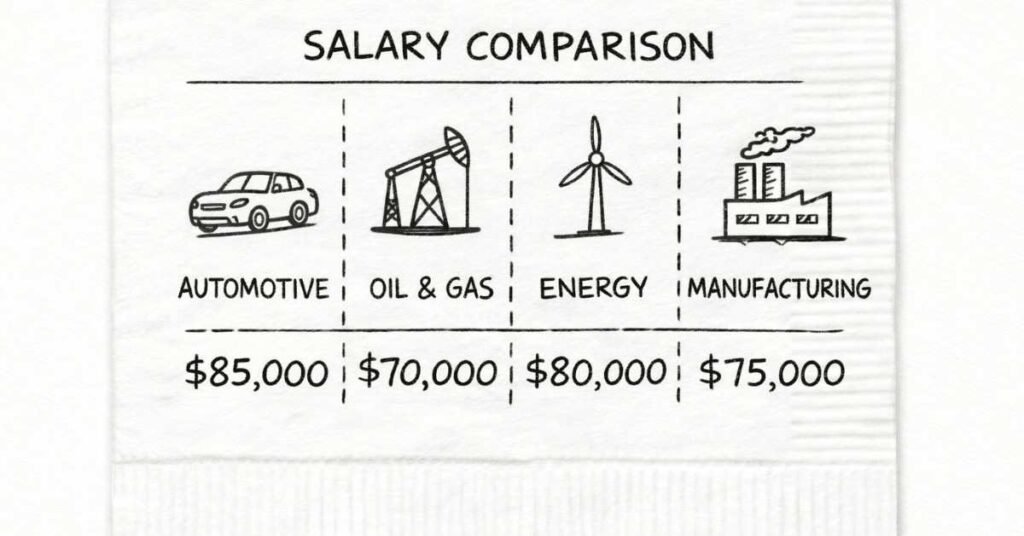
Automotive (OEMs & Tier‑1 Suppliers):
- ₹3.5–6 LPA for most graduates.
- ₹6–10 LPA from top colleges or for specialized roles (CAE, EV systems).
Aerospace & Defence:
- PSUs (ISRO, DRDO, HAL): ₹5–7 LPA via GATE.
- Private aerospace: ₹5–8 LPA.
Oil & Gas, Petrochemicals:
- PSUs (ONGC, IOCL, BPCL): ₹6–8 LPA via GATE.
- Private (Reliance, Essar): ₹6–10 LPA.
Power & Energy:
- PSUs (NTPC, Power Grid): ₹5–7 LPA via GATE.
- Private/renewable: ₹4–6 LPA.
Manufacturing & Heavy Engineering:
- ₹3–5 LPA typically.
- Top firms (L&T, BHEL): ₹5–7 LPA.
Consulting & Engineering Services (ER&D):
- ₹4–7 LPA depending on company.
- MNCs like Tata Tech, LTTS: ₹5–8 LPA.
HVAC, MEP, Construction:
- ₹3–5 LPA for design roles.
₹2.5–4 LPA for site roles.
3. Mid‑Level Salaries (3–7 Years Experience)
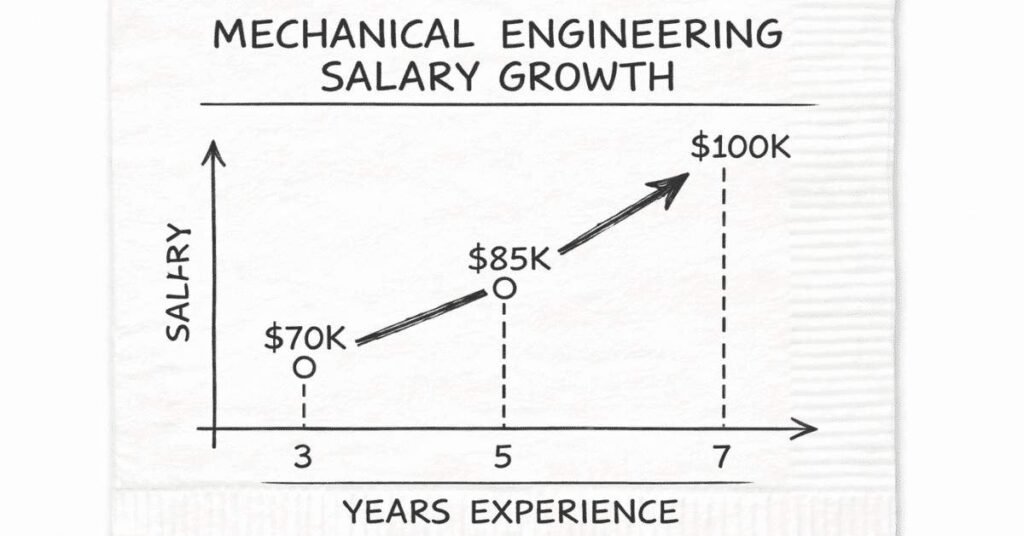
This is where specialization and skills start significantly affecting pay.
By Role Type
Mechanical Design Engineer:
- ₹6–12 LPA depending on CAD/CAE skills and sector.
- Automotive/aerospace design: ₹8–14 LPA with strong portfolio.
CAE / Simulation Engineer:
- ₹8–15 LPA (ANSYS, crash, NVH specialists valued highly).
Production / Manufacturing Engineer:
- ₹5–10 LPA depending on plant size and responsibility.
Automation / Robotics Engineer:
- ₹7–15 LPA (high demand, especially with PLC + programming skills).
Power Plant / Energy Engineer:
- ₹6–12 LPA depending on plant type and seniority.
Quality / Six Sigma Professionals:
- ₹6–12 LPA; Green Belt/Black Belt holders on higher end.
HVAC / MEP Design Engineer:
- ₹6–10 LPA with certifications and project experience.
Project Engineer / Coordinator:
₹7–14 LPA depending on project size and industry.
By Sector (Mid‑Level)
Oil & Gas: ₹10–18 LPA (among highest‑paying).
Automotive (Specialized Roles): ₹8–14 LPA.
Aerospace: ₹8–14 LPA (government), ₹10–16 LPA (private senior roles).
Consulting & ER&D: ₹8–15 LPA for strong performers.
PSUs (Mid‑career): ₹8–12 LPA with allowances and benefits (remember: PSU benefits often exceed private sector when you include housing, medical, pension).
Manufacturing: ₹6–12 LPA, higher if you’re managing lines/departments.
4. Senior‑Level Salaries (8–15 Years Experience)
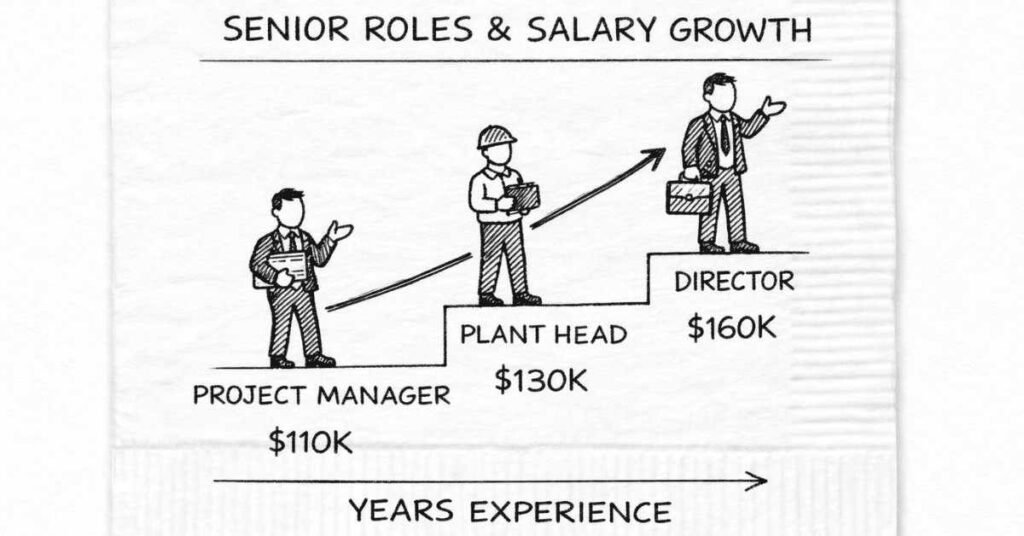
Individual Contributor / Technical Expert Roles
Senior Design Engineer / Lead Engineer:
- ₹12–22 LPA in automotive, aerospace, product companies.
Principal CAE Engineer / Technical Specialist:
- ₹15–30 LPA (highly specialized, often with M.Tech or MS).
Senior Automation Engineer / Controls Architect:
- ₹15–28 LPA.
Energy Manager / Chief Engineer (Power Plants):
- ₹15–25 LPA.
Managerial Roles
Engineering Manager / Department Head:
- ₹18–35 LPA depending on company size and sector.
Plant Manager / Factory Manager:
- ₹20–40 LPA (managing large operations).
Project Manager (Large Projects):
- ₹18–35 LPA.
Product Manager (Technical Products):
₹20–40 LPA in product companies.
Top‑Level Roles (15+ Years)
Head of Engineering / VP Engineering:
- ₹40–80+ LPA in large companies.
Chief Engineer / Technical Director:
- ₹50 LPA+ in aerospace, automotive OEMs, large MNCs.
Plant Director / Operations Head:
- ₹50–100+ LPA managing multiple facilities.
Independent Consultant (Successful):
Variable; ₹20–50+ LPA depending on client base and reputation.
5. City‑Wise Salary Differences
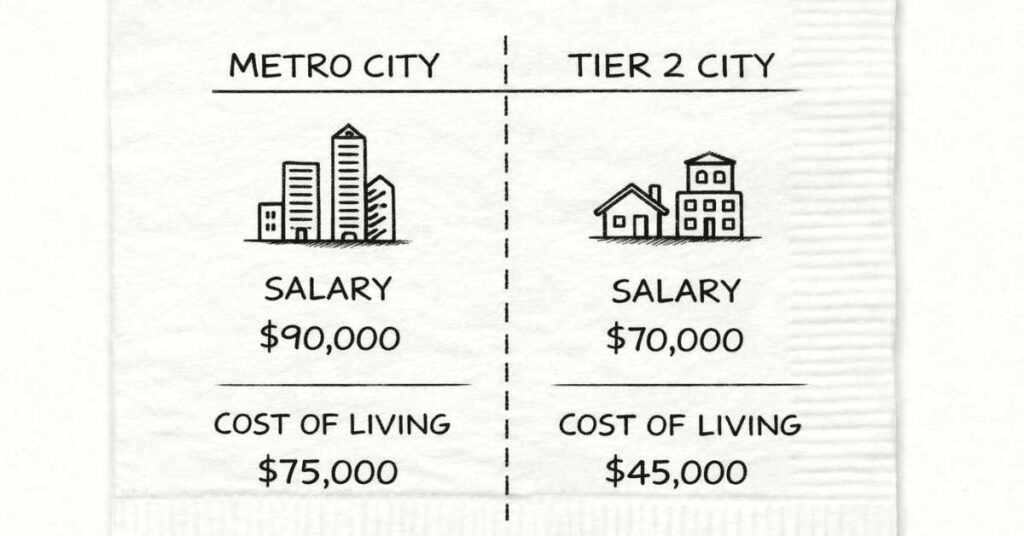
Same role, different pay based on location:
Tier‑1 Metro Cities (Bangalore, Pune, Gurgaon, Chennai, Hyderabad):
- Highest salaries due to concentration of automotive, aerospace, IT‑engineering, MNCs.
- However, cost of living also high (rent, transport).
Tier‑2 Cities (Ahmedabad, Coimbatore, Jaipur, Indore, Visakhapatnam):
- Salaries 10–20% lower than metros.
- But cost of living significantly lower—better quality of life possible.
Plant Locations (Often Semi‑Urban/Rural):
- Base salary might be lower, but companies often provide:
- Housing (company quarters).
- Transport.
- Subsidized food.
- Hardship allowances.
- Housing (company quarters).
- Effective savings can be higher than metro jobs.
Offshore / Remote Sites (Oil rigs, power projects):
- Higher compensation due to tough conditions.
Often rotation‑based (14 days on, 14 off, etc.).
6. Sector‑Wise Pay Rankings (Approximate)

Highest‑Paying:
- Oil & Gas (especially offshore, refinery operations).
- Investment Banking / Consulting (if you pivot with MBA).
- Niche Automation / Robotics (specialized skills).
- Aerospace (senior technical roles).
Above‑Average:
5. Automotive (OEMs, specialized CAE/design).
6. Large PSUs (with benefits factored in).
7. MNC Engineering Services.
Average:
8. General Manufacturing.
9. HVAC, MEP Services.
10. Mid‑Sized Private Companies.
Lower (But Stable):
11. Small Local Firms.
12. Government Teaching Positions (but job security excellent).
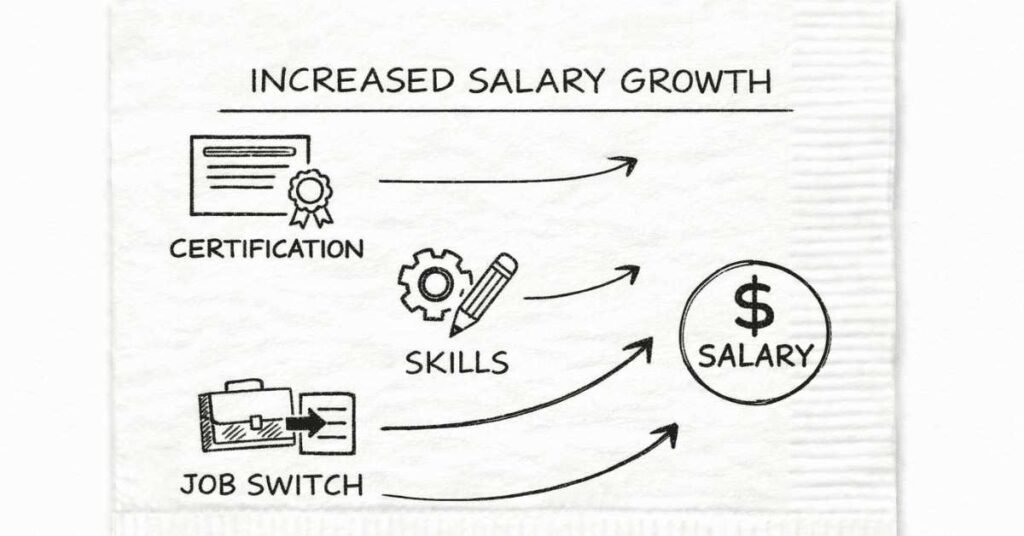
7. Factors That Increase Your Salary
- Specialization: Generalists earn less than specialists (FEA expert, PLC specialist, EV battery thermal expert, etc.).
- Certifications: SolidWorks Professional, Six Sigma Black Belt, PMP can add ₹1–3 LPA directly.
- In‑Demand Skills: PLC programming, advanced CAE, robotics, Python + mechanical hybrid skills.
- Company Hopping (Strategic): Staying in one company usually gives 8–12% annual increments. Switching strategically every 3–4 years can give 30–50% jumps.
- Performance & Visibility: Deliver high‑impact projects, publish papers, file patents—get noticed.
- MBA from Top B‑Schools: Can dramatically increase trajectory if you want management path (but requires 2 years + cost).
- Overseas Experience: Working abroad (Middle East, Europe, US) for a few years significantly boosts earning potential when you return.
8. Gender Pay Gap (Reality Check)
Unfortunately, gender pay gaps exist in engineering:
- Women in mechanical engineering are minority.
- Some studies show 10–20% pay gap for same roles.
- Improving, but still an issue.
Advice for women engineers:
- Negotiate firmly during offers and appraisals.
- Build strong technical portfolios to justify equal/higher pay.
Seek companies with transparent, merit‑based cultures.
9. Salary Negotiation Tips
When Joining (Fresher):
- Limited room to negotiate, but if you have multiple offers, you can leverage.
- Highlight certifications, projects, internships that add value.
When Switching (3+ Years):
- Research market rates for your role, skill, and location (use Glassdoor, Ambition Box, LinkedIn Salary Insights).
- Aim for 30–50% hike when switching.
- Don’t reveal current salary immediately—discuss based on market value.
- Be ready to walk away if offer doesn’t meet expectations.
During Appraisals:
- Document your contributions, quantify impact (cost saved, time reduced, projects delivered).
- Benchmark against peers and industry standards.
Ask confidently; don’t assume you’ll get fair raise automatically.
10. Total Compensation: Beyond Base Salary
When evaluating offers, consider:
Components of CTC (Cost to Company):
- Base salary (actual monthly pay).
- Variable pay / performance bonus (10–30% of base in many companies).
- Allowances (HRA, transport, meal, etc.).
- Employer’s EPF contribution (often 12% of basic).
- Health insurance (self + family coverage value).
- ESOP / stock options (in some startups/MNCs—can be huge long‑term).
Hidden Benefits:
- Work‑from‑home flexibility (saves commute cost/time).
- Learning & development budget (certifications, courses).
- Relocation support.
- Sabbatical or further education sponsorship.
Take‑home vs CTC:
- Typically, take‑home is 70–80% of CTC due to deductions and benefits.
- Compare take‑home when evaluating offers, not just CTC.
11. How Salary Grows Over a Career (Typical Trajectory)
Assuming strong performance and strategic moves:
- Year 0 (Fresher): ₹4 LPA CTC.
- Year 3: ₹6–7 LPA (in same company with promotions).
- Year 5 (Switch): ₹10–12 LPA (strategic switch + skill upgrade).
- Year 8 (Manager/Lead): ₹15–20 LPA.
- Year 12 (Senior Manager / Specialist): ₹25–35 LPA.
- Year 15+ (Director / Head): ₹40–60+ LPA or independent consulting at similar levels.
If you stay in one average company without switches:
- Year 15 salary might be only ₹12–18 LPA due to slower increments.
Strategic moves and continuous skill‑building make the difference.
12. Maximizing Your Earning Potential: Action Plan
Early Career (0–3 Years):
- Focus on learning, not just salary.
- Build strong technical skills and certifications.
- Document all achievements.
Mid‑Career (3–8 Years):
- Develop deep specialization.
- Switch companies strategically every 3–4 years if growth stagnates.
- Consider advanced degrees (M.Tech, MBA) if they align with goals.
Senior Career (8+ Years):
- Move into high‑impact roles (management or deep technical specialist).
- Build professional brand (LinkedIn, publications, speaking).
- Consider independent consulting or entrepreneurship if inclined.
Throughout:
- Network actively—many high‑paying jobs are filled through referrals.
- Stay updated with industry trends (EVs, automation, sustainability).
Invest in continuous learning technology changes fast.
13. Final Reality: Money Isn't Everything
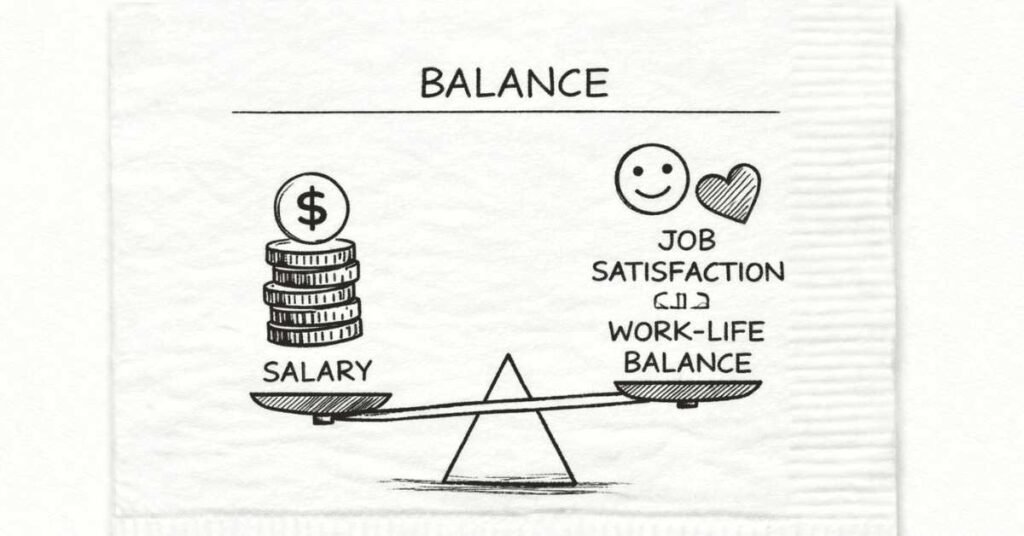
Yes, salary matters—bills need to be paid, families supported, future secured.
But also consider:
- Job satisfaction and interest in your work.
- Work‑life balance and mental health.
- Learning and growth opportunities.
- Company culture and values.
- Long‑term career trajectory.
The highest‑paid job that makes you miserable isn’t worth it. Find the sweet spot of good compensation doing work you find meaningful.
Mechanical engineering offers that possibility core, tangible work with decent to excellent earning potential if you play your cards right.